
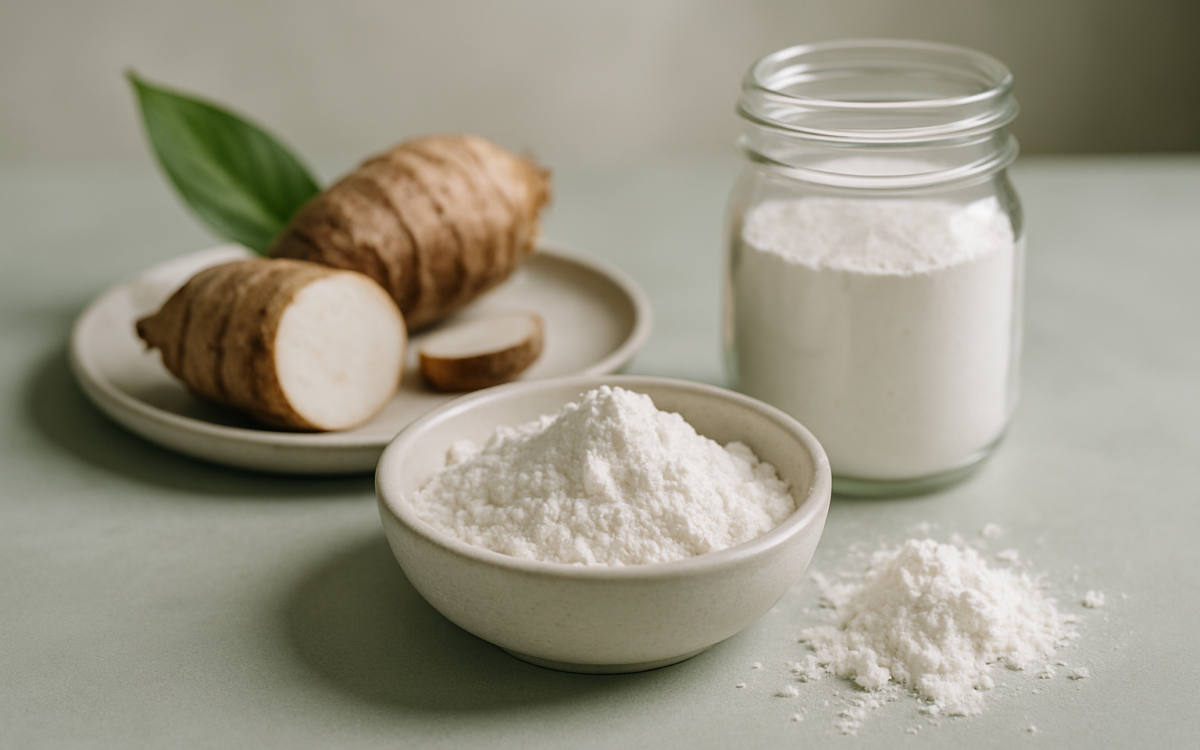
Arrowroot starch, derived from the root of the arrowroot plant (Maranta arundinacea), is gaining popularity in kitchens and health circles. With its unique properties and versatile applications, this ingredient is worth exploring. In this article, we will delve into the benefits, uses, and nutritional aspects of arrowroot starch, making it easier for you to incorporate it into your cooking and diet.
What is arrowroot starch?
Arrowroot starch is a fine, white powder obtained from the root of the arrowroot plant. It has been used for centuries, especially in tropical regions, as a food thickener and a digestive aid. Arrowroot starch is naturally gluten-free, making it a popular substitute for wheat flour and other thickeners for those with gluten sensitivities or celiac disease.
Health benefits of arrowroot starch
Arrowroot starch is praised not just for its culinary uses but also for its potential health benefits. Here are some notable advantages:
- Digestive health: Arrowroot starch is easily digestible, making it a gentle choice for those with sensitive stomachs or digestive conditions. Its smooth texture can help soothe irritation in the digestive tract.
- Gluten-free alternative: As a gluten-free alternative to wheat flour and other thickeners, arrowroot starch can be a great option for people with gluten intolerance. It allows them to enjoy a variety of foods without adverse reactions.
- Nutrient-rich: Arrowroot is low in calories yet contains some essential nutrients, including potassium, iron, and B vitamins. This makes it a nutrient-dense option for those seeking healthy ingredients.
- Supports hydration: Arrowroot is often recommended for rehydration in cases of diarrhea or vomiting, particularly in children, as it helps restore electrolytes.
How to use arrowroot starch in cooking
Arrowroot starch is remarkably versatile and can be used in a variety of dishes. Here are several common ways to incorporate it:
- Thickening agent: Arrowroot starch can be used to thicken sauces, soups, and gravies. To use it effectively, mix it with a small amount of cold water before adding it to hot liquids to prevent clumping.
- Baking substitute: In gluten-free baking, arrowroot can replace a portion of the flour in recipes for cakes, cookies, and bread to improve texture and moisture.
- Homemade baby food: Arrowroot starch is often used in homemade baby food for its gentle properties, helping to create smooth and easily digestible purees.
- Jellies and puddings: Arrowroot starch can be used to create jellies and puddings, providing them with a silky texture while keeping them gluten-free.
Nutritional profile of arrowroot starch
Understanding the nutritional profile of arrowroot starch can help you appreciate its place in a balanced diet:
- One tablespoon of arrowroot starch contains roughly 30 calories, according to the USDA.
- It is primarily composed of carbohydrates, making it a quick source of energy.
- It is low in fat and protein, which means it is not a significant source of these macronutrients.
- Rich in important minerals such as potassium and calcium while being low in sodium.
Arrowroot starch vs. other starches
When comparing arrowroot starch to other common starches, such as cornstarch and tapioca starch, a few distinctions arise:
- Texture: Arrowroot starch produces a clearer and glossier finish in sauces and soups compared to cornstarch, making it a preferred choice for those looking for a refined presentation.
- Temperature sensitivity: Arrowroot starch can break down when subjected to prolonged high heat. Unlike cornstarch, it is best used towards the end of cooking processes.
- Flavor: Arrowroot starch has a neutral flavor, which makes it suitable for both sweet and savory dishes, unlike some other starches that may impart their own taste.
Storage and shelf life
To maintain the freshness of arrowroot starch, it’s important to store it properly:
- Keep it in a cool, dry place, away from direct sunlight.
- Ensure the container is tightly sealed to prevent moisture absorption, which can cause clumping.
- When stored correctly, arrowroot starch can last for several years.
When to see a doctor
If you experience persistent digestive issues or discomfort, it’s important to consult your healthcare provider. They can help identify underlying conditions that may require attention. This includes symptoms such as severe diarrhea, unexplained weight loss, or prolonged stomach pain.
Final thoughts
Arrowroot starch is a versatile ingredient that offers multiple benefits for cooking and digestive health. Whether you’re looking for gluten-free options or a gentle thickening agent, arrowroot starch can be a valuable addition to your pantry. With its rich history and numerous applications, including as a digestible thickening agent and baking substitute, it’s worth considering for anyone interested in maintaining a healthy diet.
