
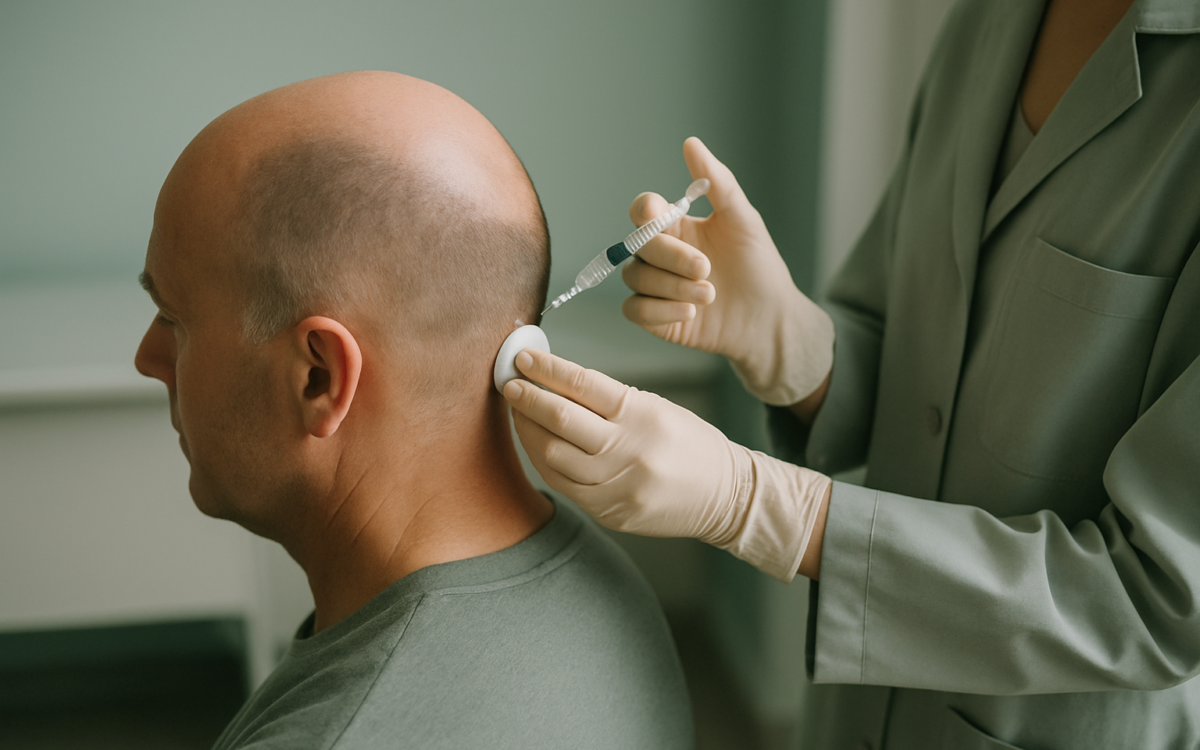
Baldness is a common concern that affects many men worldwide. Whether it’s a receding hairline, thinning on the crown, or complete baldness, the effects can be emotional and social. Thankfully, with advancements in medicine and technology, numerous baldness therapy options are available. This article will delve into these therapies, their effectiveness, and how to identify when professional assistance is needed.
Understanding Hair Loss
Hair loss can stem from various factors, including genetics, hormonal changes, medical conditions, or environmental influences. Androgenetic alopecia, commonly known as male pattern baldness, is one of the most prevalent types of hair loss among men, typically caused by genetic predisposition and dihydrotestosterone (DHT) hormone. According to the National Institutes of Health (NIH), patterns of baldness can vary, but early intervention can help preserve existing hair and stimulate new growth.
Top Baldness Therapies
Many treatments are available for those experiencing hair loss. Here’s a look at some popular baldness therapy options:
1. Medications
- Minoxidil: Often sold under the brand name Rogaine, this topical solution is applied directly to the scalp. It promotes hair growth and is suitable for both men and women. Users may begin to see results around four months, but continued use is necessary to maintain hair density.
- Finasteride: This prescription medication, known by the brand name Propecia, works by inhibiting the conversion of testosterone to DHT, the hormone responsible for hair loss in men. While it can be effective, potential side effects include sexual dysfunction and mood changes.
2. Hair Transplant Surgery
For those seeking longer-term solutions, hair transplant surgery may be an option. This procedure involves moving hair follicles from areas of the scalp with healthy hair to areas with thinning or no hair. Techniques like Follicular Unit Extraction (FUE) are less invasive and provide natural-looking results. Keep in mind that surgical options may require thorough research and consultations with multiple professionals to ensure the best outcome.
3. Laser Therapy
Low-level laser therapy (LLLT) is another treatment gaining attention in the baldness therapy arena. It uses specific wavelengths of light to stimulate hair growth and improve follicle function. While some studies show positive results, more extensive research is needed to confirm its effectiveness universally. Many devices for at-home use are available, but consulting a healthcare professional is recommended.
Alternative Therapies
Beyond conventional treatments, various alternative therapies claim to promote hair growth. While some may offer benefits, it’s essential to approach these options with a discerning eye:
- Essential Oils: Oils like rosemary and peppermint are said to improve scalp circulation and stimulate hair growth. However, scientific evidence supporting these claims is limited.
- Nutrition and Diet: A balanced diet rich in vitamins and minerals, particularly Biotin and Zinc, supports healthy hair. Nutritional supplements, such as 5-Alpha-Reductase inhibitors, may also help for some.
- Scalp Massages: These may enhance blood flow to the hair follicles, promoting healthier growth. Regularly massaging the scalp could be a beneficial, low-risk approach to hair care.
International Treatment Options
For those considering traveling for treatment, international patient services can provide various options. Countries like Turkey, Thailand, and Mexico are known for high-quality, affordable hair transplants and therapies, attracting international patients. If you’re interested, check out international patient services that can help guide you through the process, offering support for travel planning and connecting you with reputable clinics.
The Importance of Consulting a Doctor
Before starting any baldness therapy, it’s essential to consult a healthcare professional. They can help identify the cause of your hair loss and recommend the most suitable treatment options. This step is particularly crucial if you’re experiencing sudden hair loss or other symptoms, as it may indicate an underlying health condition.
When to See a Doctor
While exploring various therapies, be mindful of when to seek professional advice. Consider seeing a doctor if:
- You notice sudden or patchy hair loss.
- Your hair loss is accompanied by other symptoms (like redness, itching, or scaling).
- You experience hair loss at a younger age than expected.
- You have tried treatments but are not seeing any improvement.
Conclusion
Dealing with hair loss can be challenging, but numerous baldness therapy options exist to help manage the condition. From medications to advanced surgical techniques and even alternative therapies, finding the right approach may take time and patience. Remember, the best first step is to consult with a healthcare provider who can guide you through the available options and help you make an informed choice.
