
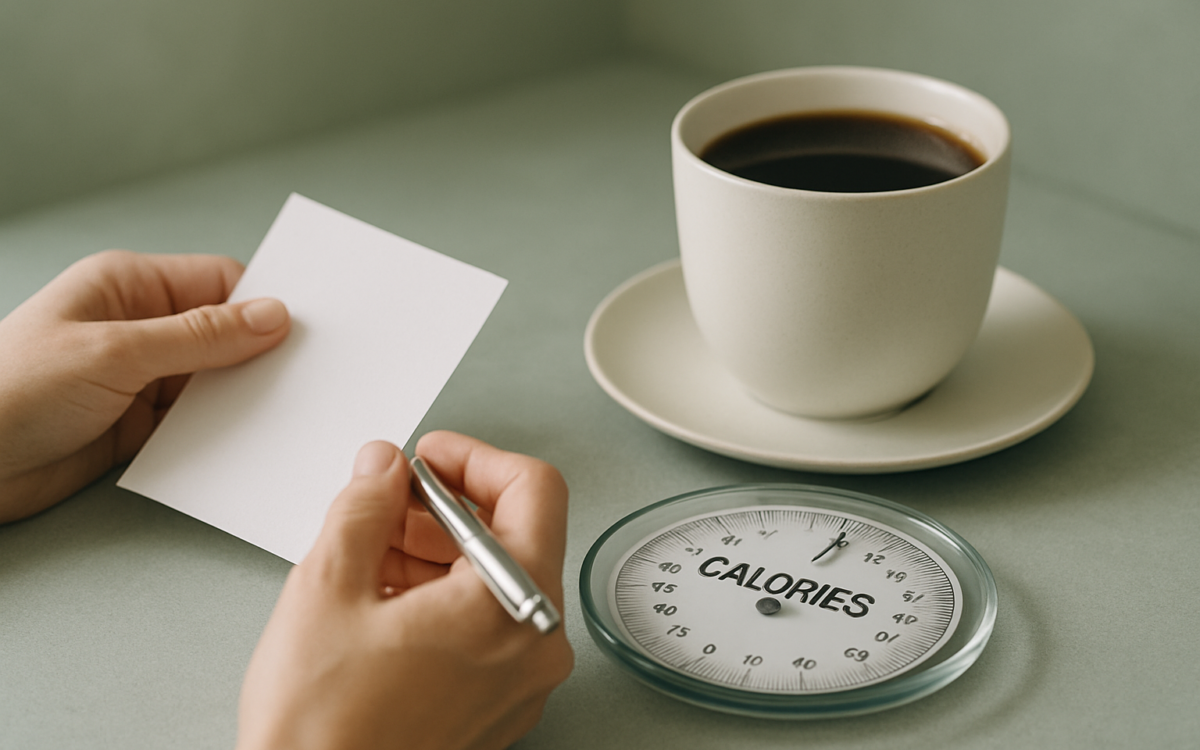
For many, black coffee is more than just a morning ritual; it’s a beloved beverage that fuels daily routines. Yet, among the swirling debates on nutrition, one question remains clear: does black coffee have calories? Understanding the calorie content of black coffee can help you make informed choices about your diet and health.
The Basics of Black Coffee
Black coffee is simply brewed coffee without any added ingredients such as cream, sugar, or flavorings. When considering whether it has calories, it’s important to know what’s in the cup. A standard 8-ounce serving of black coffee typically contains minimal calories—around 2 to 5 calories depending on the brewing method.
This small calorie count comes from the natural compounds in coffee beans. However, the caffeine and other components may have broader implications for your health, including your metabolism and energy levels.
Nutritional Profile of Black Coffee
Alongside the low calorie count, black coffee offers several beneficial nutrients. In moderation, it can be part of a healthy diet due to its abundance of antioxidants, which may help combat oxidative stress. Here are some of the key nutritional aspects of black coffee:
- Antioxidants: Coffee is rich in antioxidants, which can help reduce inflammation in the body.
- Caffeine: The primary stimulant in coffee, caffeine can improve mental alertness and physical performance.
- Vitamins and Minerals: Black coffee contains small amounts of essential nutrients, including potassium and vitamins B2 (riboflavin) and B3 (niacin).
Overall, if consumed without sugar and creamer, black coffee can have positive health effects while maintaining a low-calorie profile.
Black Coffee and Weight Management
For those monitoring their caloric intake, black coffee can be a smart choice. With very few calories, drinking black coffee can satisfy the desire for a warm beverage without significantly contributing to your overall calorie count. Additionally, caffeine in black coffee may aid in weight loss by boosting metabolism and enhancing fat oxidation during physical activity (NIH).
Despite its benefits, remember that drinking excessive amounts of coffee can lead to negative side effects such as anxiety, insomnia, or increased heart rate. Moderation is key—finding a balance is essential for enjoying black coffee as part of a healthy lifestyle.
International Perspectives on Coffee Consumption
Coffee culture varies greatly around the world. For instance, in some countries, coffee is enjoyed as part of a social or communal experience, while in others, it may hinge more on efficiency—a quick boost for a busy day. If you find yourself traveling internationally or seeking treatment abroad, you might consider the role of coffee in those cultures. You can explore local customs regarding coffee at international patient services, which provide insights into dietary norms and health recommendations abroad.
Understanding how coffee is consumed globally can give you a deeper appreciation for this beverage. As health perceptions and nutrition science evolve, so does our knowledge about coffee’s role in different diets.
What Happens When You Add Ingredients?
If you start adding sugar, milk, or cream to your coffee, the calorie count changes significantly. An 8-ounce cup of black coffee contains 2 to 5 calories, but adding cream can bump that total up to 50 calories or more, depending on the amount used. Sweeteners, whether natural or artificial, also contribute calories—though some are calorie-free.
For those trying to reduce sugar intake or lower calorie consumption, black coffee can be a low-calorie alternative to many sugary drinks. Learning to enjoy black coffee without enhancements can lead to healthier beverage choices while still enjoying the delightful experience of coffee.
Conclusion
In summary, black coffee is a low-calorie beverage packed with antioxidants and other beneficial compounds that can enhance your health when consumed in moderation. Understanding its nutritional profile can empower you to make better dietary choices. Remember, while black coffee itself has very few calories, it’s important to pay attention to what you add to it.
When to See a Doctor
If you have concerns about caffeine consumption—especially if you experience insomnia, jitters, or unusual heart rhythms—or if you’re considering dietary changes, consulting with a healthcare professional is always a wise step. They can provide personalized guidance based on your specific health context.
