
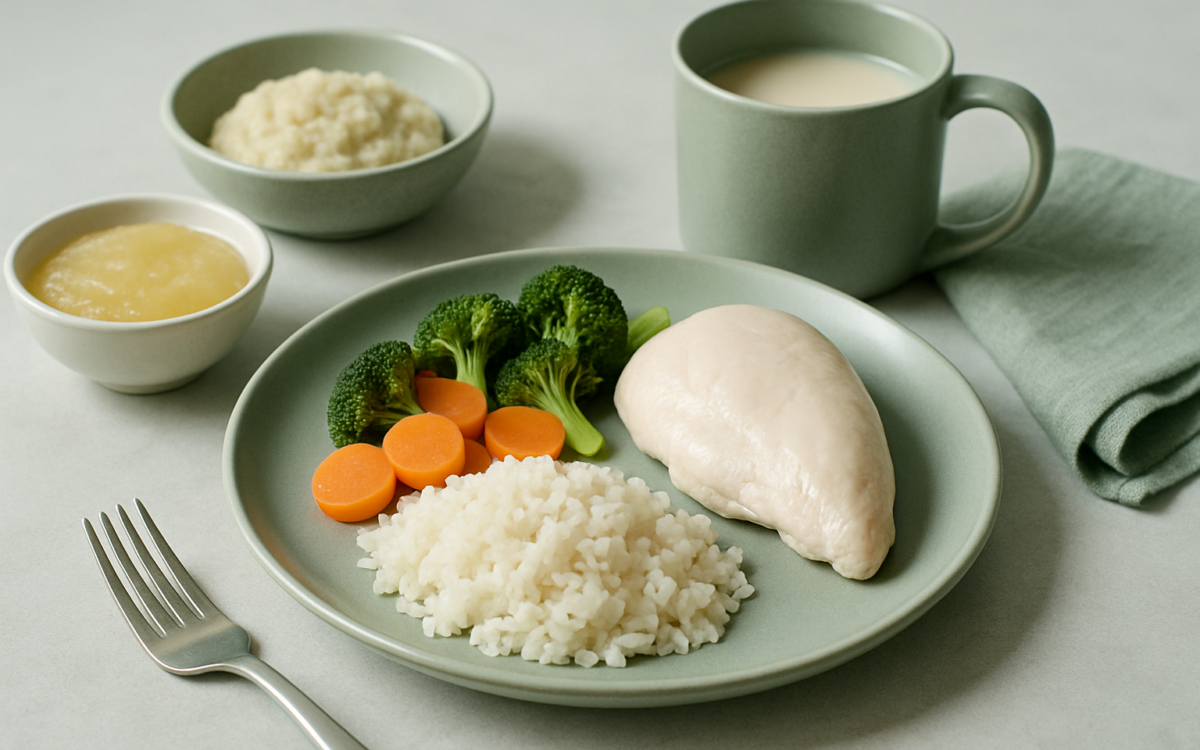
When your stomach isn’t feeling its best, the thought of consuming a meal can seem daunting. Whether it’s due to a recent illness, surgery, or a chronic digestive issue, bland diet foods can provide comfort and promote healing. These foods are gentle on the stomach, making them a popular choice during recovery.
What is a Bland Diet?
A bland diet consists of foods that are easy to digest and low in fiber. It often includes foods that are low in fat, spice, and acidity. Typically, this diet is recommended after surgery, during recovery from gastrointestinal issues, or for conditions like gastritis.
The primary aim is to reduce irritation in the digestive tract, allowing for recovery from issues such as nausea, diarrhea, or heartburn. Foods in this category can help manage symptoms while still providing essential nutrients.
Common Bland Diet Foods
When following a bland diet, here are some commonly recommended foods:
- Bananas: Easy to digest, bananas are gentle on the stomach and can help replace lost nutrients.
- Rice: White rice, particularly cooked, is low in fiber and can help bind stool.
- Applesauce: A good source of pectin, applesauce is soothing and hydrating.
- Toast: Plain toast made from white bread is low in fiber and can be comforting.
- Boiled Potatoes: Without added fats or spices, boiled potatoes are filling and easy on the stomach.
- Plain Chicken or Turkey: Skinless, boneless poultry that is baked or boiled is high in protein but not overly rich.
Benefits of a Bland Diet
There are several notable benefits to incorporating bland diet foods during times of digestive distress:
1. Reduces Digestive Discomfort
Bland foods are less likely to irritate the gastrointestinal tract. For those dealing with nausea or a sensitive stomach, these foods can help minimize discomfort and provide a sense of relief.
2. Aids Recovery
After surgery or during illness, the body requires energy and nutrients for healing. Bland diet foods can provide sustenance while being gentle enough not to provoke nausea.
3. Easy to Prepare
Many bland foods are simple to prepare. Minimal cooking techniques are often all that’s required—think boiling or steaming. This ease is perfect for those who may not have the energy or desire to eat elaborate meals.
4. Nutrient Accessibility
Foods like bananas, rice, and applesauce are not only soothing but also provide necessary vitamins. Even during periods of nausea or digestive issues, you can still access essential nutrients.
Tips for Following a Bland Diet
If you find yourself needing to follow a bland diet, here are some practical tips:
- Stay Hydrated: In addition to bland foods, drink plenty of clear fluids, such as water or broth, to stay hydrated.
- Introduce Foods Slowly: After a period of strictly bland foods, gradually introduce other foods. This helps your stomach adapt.
- Avoid Additives: Steer clear of spices, vinegar, and sauces to reduce the chance of irritation.
- Mind Portion Sizes: Eating smaller, more frequent meals can be easier on a sensitive stomach.
Alternatives and Variations
While bland diet foods are staples, it’s also helpful to know how to vary meals:
1. Soups and Broths
Chicken or vegetable broth can be nourishing while still being easy on the stomach. Consider adding soft noodles for a comforting texture.
2. Oatmeal
Plain oatmeal is another bland option that provides fiber and is gentle on the digestive system. Sweeten it lightly with honey or maple syrup if tolerated.
3. Steamed Vegetables
Carrots, zucchini, and spinach can be steamed and incorporated into bland meals for additional nutrients.
When to See a Doctor
While a bland diet can be helpful for many, there are times when professional medical advice is necessary. Consult a doctor if:
- You continue to experience persistent digestive issues.
- Symptoms do not improve or worsen despite dietary changes.
- You experience severe abdominal pain, vomiting, or blood in stool.
- You have additional symptoms such as weight loss or dehydration.
Conclusion
Bland diet foods can play an essential role in managing digestive difficulties and promoting recovery. By focusing on gentle, easy-to-digest options, individuals can alleviate discomfort while still nourishing their bodies. Remember, however, that if symptoms persist or worsen, it’s important to reach out to a healthcare professional for personalized guidance.
