
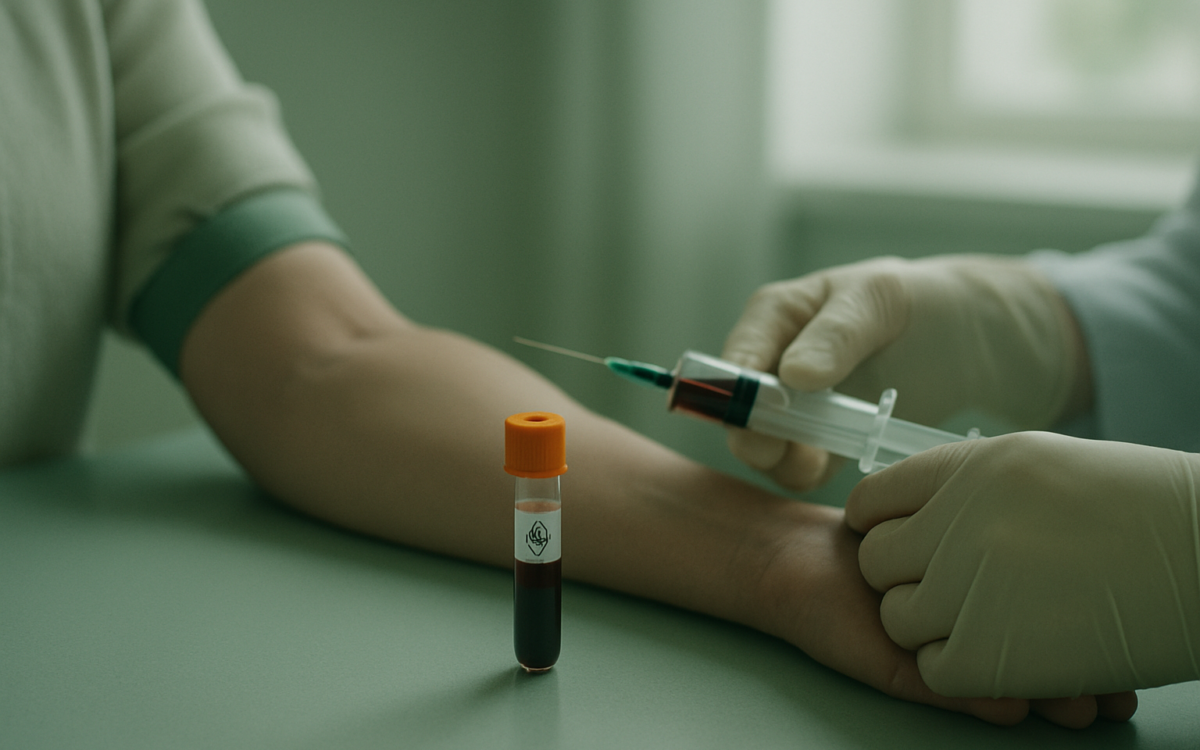
Detecting lung cancer early can significantly improve the chances of successful treatment, yet traditional methods often involve imaging tests and biopsies. However, researchers are increasingly exploring the idea of blood tests as a less invasive way to identify lung cancer. This article will delve into the current state of blood tests for lung cancer detection, how they work, and what the future might hold.
Understanding Lung Cancer
Lung cancer is one of the leading causes of cancer-related death worldwide. Its symptoms often do not appear until the cancer has advanced, making early detection challenging. Lung cancer typically develops in two main forms: non-small cell lung cancer (NSCLC) and small cell lung cancer (SCLC). Understanding the characteristics and behaviors of these cancers is crucial for improving detection methods.
Current Methods of Lung Cancer Detection
Traditionally, the most common methods for lung cancer detection involve imaging techniques such as:
- X-rays: A quick way to find anomalies in the lungs.
- CT scans: More detailed imaging that can reveal smaller tumors.
- Biopsies: Involves taking a sample of lung tissue to confirm cancer.
While these methods are effective, they can be invasive and may not be suitable for all patients, particularly those who are older or have underlying health issues.
The Promise of Blood Tests
Research into blood tests for lung cancer is a promising area of study. Scientists are focusing on blood-based biomarkers—substances in the blood that can indicate the presence of cancer. These biomarkers can include:
- Circulating tumor DNA (ctDNA): Fragments of DNA from cancer cells found in the bloodstream.
- Proteins: Certain proteins may be elevated in the presence of lung cancer.
- Exosomes: Small vesicles that can carry molecular data from tumor cells.
Some studies suggest that these biomarkers can help detect lung cancer at an earlier stage compared to traditional methods. For example, the National Institutes of Health (NIH) has been conducting research exploring the use of ctDNA in diverse lung cancer cases, with promising results reported in recent findings (NIH).
Current Research and Developments
Several ongoing studies aim to validate blood tests for lung cancer detection. Key areas of interest include:
- Specificity and Sensitivity: Researchers are working to enhance the accuracy of blood tests to ensure they minimize false positives (indicating cancer when there isn’t any) and false negatives (missing existing cancer).
- Integration with Imaging: Some studies are examining how blood tests can complement imaging techniques. Using both methods together may improve detection rates.
- Screening Trials: Clinical trials are underway to see if regular blood testing can serve as a screening tool for high-risk populations, such as long-term smokers.
The Cleveland Clinic is among the institutions actively publishing research on the development of blood-based tests for cancer detection, highlighting their potential role in early diagnosis (Cleveland Clinic).
Challenges and Limitations
While the prospects of blood tests for lung cancer detection are exciting, there are several challenges:
- Understanding Biomarkers: Not all biomarkers are exclusive to cancer. Distinguishing between benign conditions and malignancies remains a critical hurdle.
- Regulatory Approval: Blood tests must undergo extensive validation to be approved for clinical use, which can take years.
- Cost and Accessibility: The development of new tests might make them expensive and not universally accessible, particularly in underserved areas.
Overcoming these challenges will be essential for the integration of blood tests into standard lung cancer screening practices.
Looking Forward
As research continues, the hope is that blood tests may become a regular part of lung cancer screening, especially for high-risk individuals. Ongoing studies are crucial for identifying effective biomarkers and validating their use in clinical settings.
When to See a Doctor
If you have risk factors for lung cancer, such as a history of smoking or exposure to known carcinogens, it’s essential to discuss your screening options with your healthcare provider. Keeping an open line of communication about your symptoms and concerns can help facilitate early detection.
While blood tests are an exciting area of study, it’s vital to consult your doctor when considering lung cancer screening methods or if you have specific health concerns.
Conclusion
Blood tests for lung cancer detection hold promise for the future of cancer screening, offering a less invasive option compared to traditional methods. While researchers are making strides in this field, the journey from research to routine clinical practice is ongoing. Staying informed about the latest developments can empower you to make educated decisions about lung cancer screening and diagnosis.
