
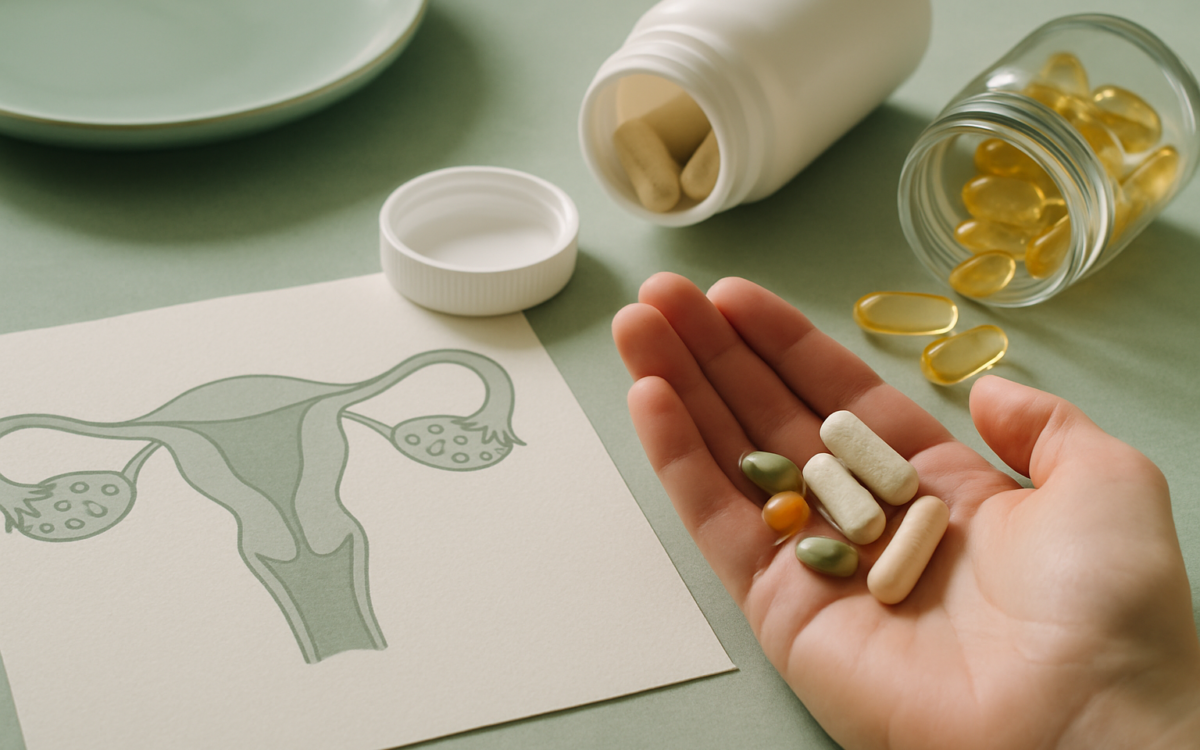
Polycystic ovarian syndrome (PCOS) is a common hormonal disorder that affects many women of reproductive age. Symptoms can range from irregular menstrual cycles and weight gain to fertility issues and skin changes. Although lifestyle modifications like diet and exercise are essential for managing PCOS, some women may look toward dietary supplements as an additional avenue of support. In this article, we’ll explore the various supplements that may help alleviate symptoms associated with PCOS and promote overall health.
Understanding Polycystic Ovarian Syndrome
Before delving into supplements, it’s vital to understand PCOS itself. This condition is characterized by hormonal imbalances that can lead to a variety of symptoms. Women with PCOS may experience:
- Irregular periods
- Excess hair growth (hirsutism)
- Acne and oily skin
- Weight gain
- Fertility challenges
While the exact cause of PCOS is still not fully understood, insulin resistance is known to play a significant role in its development. Insulin resistance can make it difficult for the body to manage blood sugar levels, often leading to weight gain and other health concerns.
Popular Supplements for PCOS
1. Inositol
Inositol is a carbohydrate that has gained attention for its role in improving insulin sensitivity. It exists in two forms: myo-inositol and D-chiro-inositol, both of which are thought to support ovarian function and help regulate menstrual cycles. Some studies suggest that inositol may improve ovarian function, reduce testosterone levels, and promote normal menstrual cycles in women with PCOS [National Institutes of Health].
2. Omega-3 Fatty Acids
Omega-3 fatty acids, found in fish oil and flaxseed oil, are known for their anti-inflammatory properties. These healthy fats may also help combat insulin resistance, which is crucial for managing PCOS symptoms. Research has shown that omega-3 supplementation can help improve metabolic health, cholesterol levels, and even menstrual regularity in women with PCOS [National Institutes of Health].
3. Vitamin D
Vitamin D deficiency has been linked to several health issues, including PCOS. Many women with PCOS are found to have lower levels of Vitamin D, which can potentially exacerbate symptoms. Supplementing with Vitamin D may support insulin sensitivity and improve menstrual regularity. It’s important to check your vitamin D levels through blood tests and consult a healthcare provider about appropriate supplementation [Mayo Clinic].
4. Chromium
Chromium is a mineral that plays a vital role in glucose metabolism and insulin function. Some studies suggest that chromium supplementation may help improve insulin sensitivity, particularly in women with PCOS experiencing insulin resistance. However, the evidence is mixed, and more research is needed to establish its benefits fully.
Additional Supplements Worth Considering
1. N-Acetylcysteine (NAC)
NAC is an antioxidant that has been explored for its potential benefits in women with PCOS. Some findings suggest that NAC may help improve insulin sensitivity and promote ovulation. It may also reduce oxidative stress, which is believed to play a role in the complications of PCOS.
2. L-Carnitine
L-Carnitine is another supplement that may support weight management in women with PCOS. It aids in fat metabolism and has been shown to improve insulin sensitivity. While results are promising, more research is needed to confirm its effectiveness.
Combining Supplements with Lifestyle Changes
While certain supplements may offer benefits for managing PCOS, they are most effective when used in conjunction with lifestyle changes. Here are some strategies to consider:
- Healthy Diet: A balanced diet rich in whole foods, lean proteins, whole grains, fruits, and vegetables can help manage symptoms.
- Regular Exercise: Incorporating regular physical activity can improve insulin sensitivity and support weight management.
- Weight Management: Maintaining a healthy weight can alleviate many symptoms of PCOS and improve overall well-being.
Before starting any supplement regimen, it’s critical to consult with a healthcare provider. They can guide you based on your unique health needs and help determine the right approach.
When to See a Doctor
If you suspect you have PCOS or are experiencing symptoms like irregular menstrual cycles or unwanted hair growth, it’s essential to see a doctor. A healthcare professional can perform a thorough evaluation, provide diagnosis, and help develop a management plan tailored to your needs.
Conclusion
Using supplements for managing polycystic ovarian syndrome can be a helpful addition to a comprehensive health plan. While inositol, omega-3 fatty acids, vitamin D, and others show promise in alleviating symptoms, they should not replace standard medical treatments or lifestyle changes. Always consult your healthcare provider for personalized advice to ensure the best path toward managing your health and well-being.
