
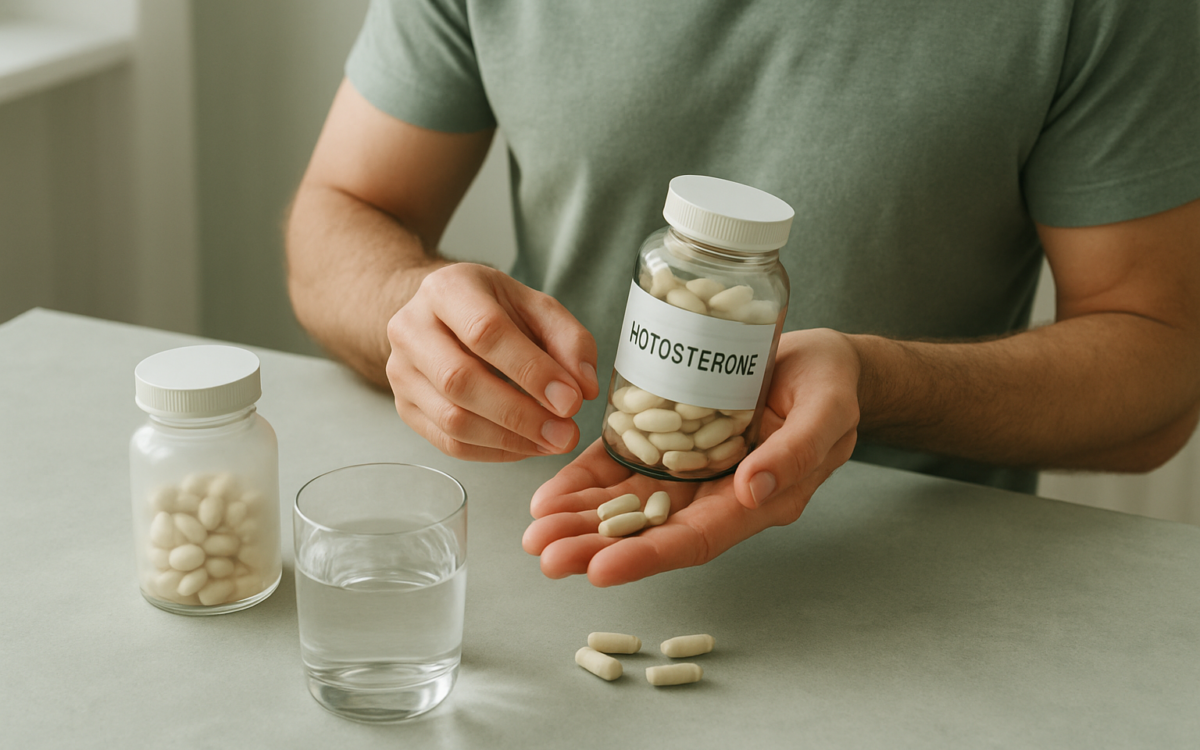
Testosterone is a crucial hormone in the male body, playing significant roles in muscle mass, bone density, energy levels, and even mood. As men age, testosterone levels often decline, leading to various health issues. Some individuals seek out natural supplements to boost testosterone levels. This article explores various supplements, their potential benefits, and the importance of consulting a healthcare professional.
What is Testosterone?
Testosterone is primarily produced in the testicles and plays a vital role in developing male physical characteristics. It’s essential for various functions, including:
- Regulating libido
- Supporting muscle and bone health
- Contributing to mood and energy levels
- Aiding in the production of red blood cells
However, testosterone levels may drop due to age, obesity, chronic illness, or certain medications, resulting in symptoms like fatigue, low libido, and muscle loss.
Common Natural Supplements
Many people look for natural ways to increase testosterone. Below are some commonly discussed supplements.
Zinc
Zinc is an essential mineral important for testosterone production. Some studies suggest that adequate zinc levels can help maintain testosterone levels, particularly in zinc-deficient individuals. Food sources rich in zinc include:
- Meat
- Shellfish
- Legumes
- Nuts and seeds
Many supplements combine zinc with other ingredients that may also support hormone levels.
Vitamin D
Vitamin D is often referred to as the sun vitamin due to its natural production in the skin when exposed to sunlight. Research indicates that vitamin D supplementation may positively influence testosterone levels, especially in those who are deficient. Good dietary sources include:
- Fatty fish
- Fortified dairy products
- Egg yolks
People residing in areas with limited sunlight may benefit from vitamin D supplementation.
Herbal Supplements
Several herbal supplements may aid in increasing testosterone levels. Here are a few that have garnered attention:
Fenugreek
Fenugreek is an herb traditionally used in cooking and health practices. Some studies suggest that fenugreek extract can enhance testosterone levels and improve libido in men. More research is needed to fully understand its effects.
Ashwagandha
Ashwagandha, an adaptogenic herb, is known for helping the body manage stress. Some studies show that it may have a positive impact on testosterone levels, particularly in men experiencing stress. It has been linked to improved overall health and well-being.
Potential Risks and Side Effects
While natural supplements can offer benefits, they also come with potential risks. It’s essential to consider the following:
- **Quality Control**: Supplements are not as tightly regulated as medications, leading to variations in quality and purity.
- **Interactions**: Some supplements may interact with medications or other supplements, altering their effectiveness.
- **Overuse Risks**: Taking higher-than-recommended doses can lead to side effects, such as nausea, headaches, or digestive issues.
Always consult with a healthcare professional before starting any new supplement regimen. They can provide guidance tailored to your health needs.
When to See a Doctor
If you suspect low testosterone levels, it’s essential to consult a healthcare professional. Signs may include decreased libido, fatigue, or mood changes. A physician can perform the necessary tests and suggest appropriate treatments or lifestyle changes based on your individual health needs.
Conclusion
Natural supplements may provide benefits in increasing testosterone levels for some men, particularly those who are deficient in specific nutrients. However, it’s crucial to approach these aids cautiously and discuss them with a healthcare provider. They can help evaluate your unique health situation, guide appropriate treatments, and ensure you prioritize safe and effective methods to support your health.
