
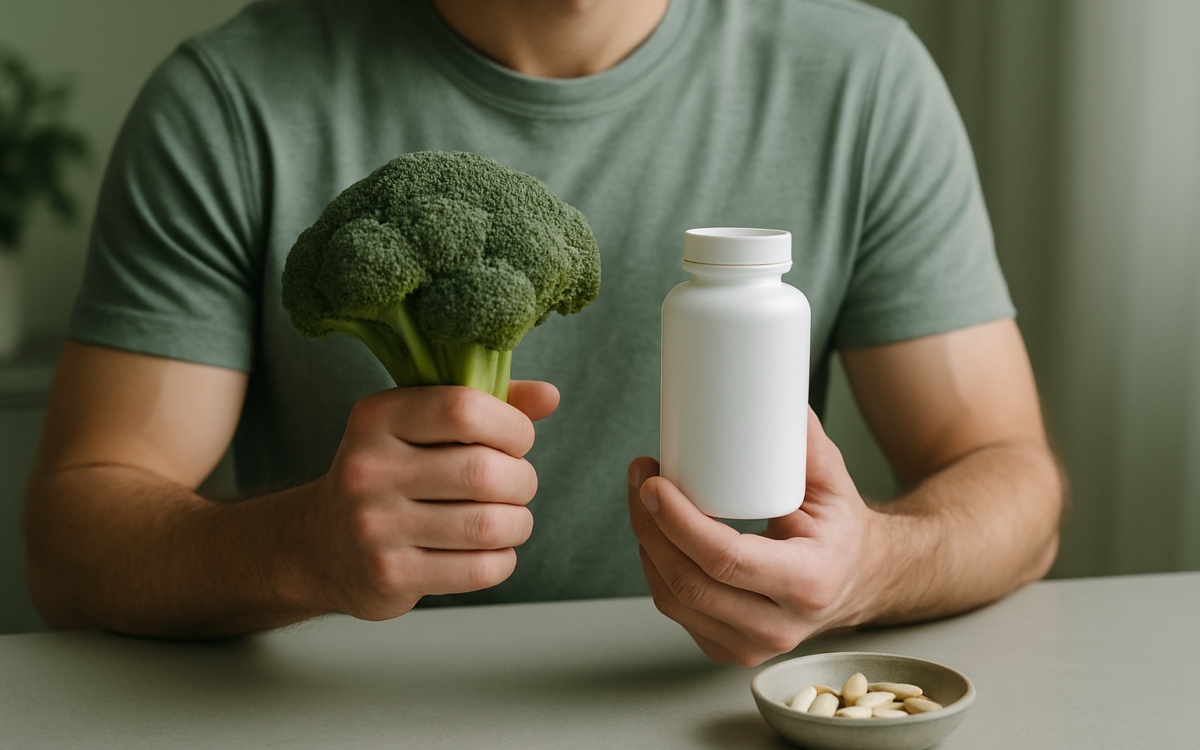
As men venture into their 30s and beyond, many notice a gradual decline in their testosterone levels. This can lead to mood swings, reduced energy, and a decrease in muscle mass. While testosterone replacement therapy is an option, many men are exploring natural testosterone boosters to help support their hormone levels and overall wellbeing. In this article, we’ll delve into some natural ways to boost testosterone, focusing on lifestyle changes, diet, and even herbal supplements.
Understanding Testosterone and Its Importance
Testosterone is a hormone produced primarily in the testicles. It plays a crucial role in various bodily functions, including:
- Regulating sex drive
- Maintaining bone density
- Supporting muscle mass and strength
- Influencing mood and energy levels
Low testosterone, or hypogonadism, can occur for various reasons, including age, obesity, and certain health conditions. Understanding how to boost testosterone naturally can offer a more holistic approach to men’s health.
The Role of Diet in Boosting Testosterone
Your diet plays a significant role in regulating testosterone levels. Eating the right foods can help support hormonal balance. Consider incorporating the following:
- Healthy Fats: Foods rich in healthy fats, like avocados, nuts, and olive oil, are crucial. Studies have shown that diets high in monounsaturated and omega-3 fats can boost testosterone levels (NIH).
- Zinc-Rich Foods: Zinc is essential for testosterone production. Foods like oysters, beef, and pumpkin seeds are great sources.
- Cruciferous Vegetables: Vegetables such as broccoli and cauliflower can help balance estrogen levels, which in turn may help maintain testosterone levels.
- Foods High in Vitamin D: Make sure to include fatty fish, egg yolks, and fortified foods to meet your vitamin D needs. Low levels of vitamin D have been linked to lower testosterone levels.
By focusing on a balanced diet, you can create a solid foundation for your testosterone levels.
Exercise: A Natural Testosterone Booster
Regular physical activity is one of the most effective natural testosterone boosters. Incorporating both aerobic and strength training into your weekly routine can help:
- Resistance Training: Lifting weights and engaging in resistance training has been shown to elevate testosterone levels, especially after intense workouts.
- High-Intensity Interval Training (HIIT): Short bursts of intense activity, followed by brief rest periods, can stimulate testosterone production effectively.
- Aerobic Exercise: While endurance exercise is beneficial, it’s crucial to balance this with strength training to prevent potential declines in testosterone.
Engaging in consistent exercise not only supports hormonal levels but also improves mood and boosts overall health.
Herbal Remedies and Supplements
Several herbal remedies have gained popularity as potential testosterone boosters. When considering these options, it’s essential to do thorough research and consult with a doctor:
- Pine Pollen: Some studies suggest that pine pollen may naturally boost testosterone due to its hormone-like properties.
- Fenugreek: This herb has been studied for its potential to enhance testosterone levels and improve libido.
- Ashwagandha: Known as an adaptogen, ashwagandha may help improve testosterone levels, especially in men experiencing stress.
- Tribulus Terrestris: Some evidence indicates that this plant can enhance libido and improve testosterone levels.
If you’re considering these supplements, it’s wise to seek expert advice to ensure safe and effective use.
Sleep and Stress Management
Prioritizing quality sleep and managing stress are critical components in naturally boosting testosterone levels. Both inadequate sleep and high stress can lead to hormonal imbalance. Here are some strategies:
- Establish a Sleep Routine: Aim for 7-9 hours of quality sleep each night. Establish regular sleep hours and create a relaxing bedtime environment.
- Practice Relaxation Techniques: Incorporate stress-reducing practices, such as meditation, yoga, or deep breathing exercises.
- Limit Caffeine and Alcohol: Excessive consumption of stimulants and alcohol can negatively affect sleep quality and testosterone production.
By fostering better sleep hygiene and managing stress, you create an environment that supports testosterone production.
Considering Treatment Options Internationally
For men looking for more comprehensive support regarding low testosterone levels, exploring international treatment options can be beneficial. Countries like Turkey offer advanced medical facilities and innovative approaches to treatment in Turkey. If you are considering traveling abroad for treatment, it’s advisable to do thorough research and consult with healthcare professionals before making a decision.
When to See a Doctor
If you experience symptoms of low testosterone, such as fatigue, depression, or reduced libido, it’s essential to consult with a doctor. They can provide a thorough evaluation and recommend appropriate testing. Understanding your hormone levels can help determine if lifestyle changes or further medical intervention is necessary.
Conclusion
Boosting testosterone naturally involves a holistic approach that includes diet, exercise, herbal remedies, and stress management. By being proactive about your health and making informed lifestyle changes, you can support your testosterone levels and improve your overall wellbeing. Always consult with a healthcare professional before beginning any new treatment or supplement regimen to ensure it aligns with your individual health needs.
