
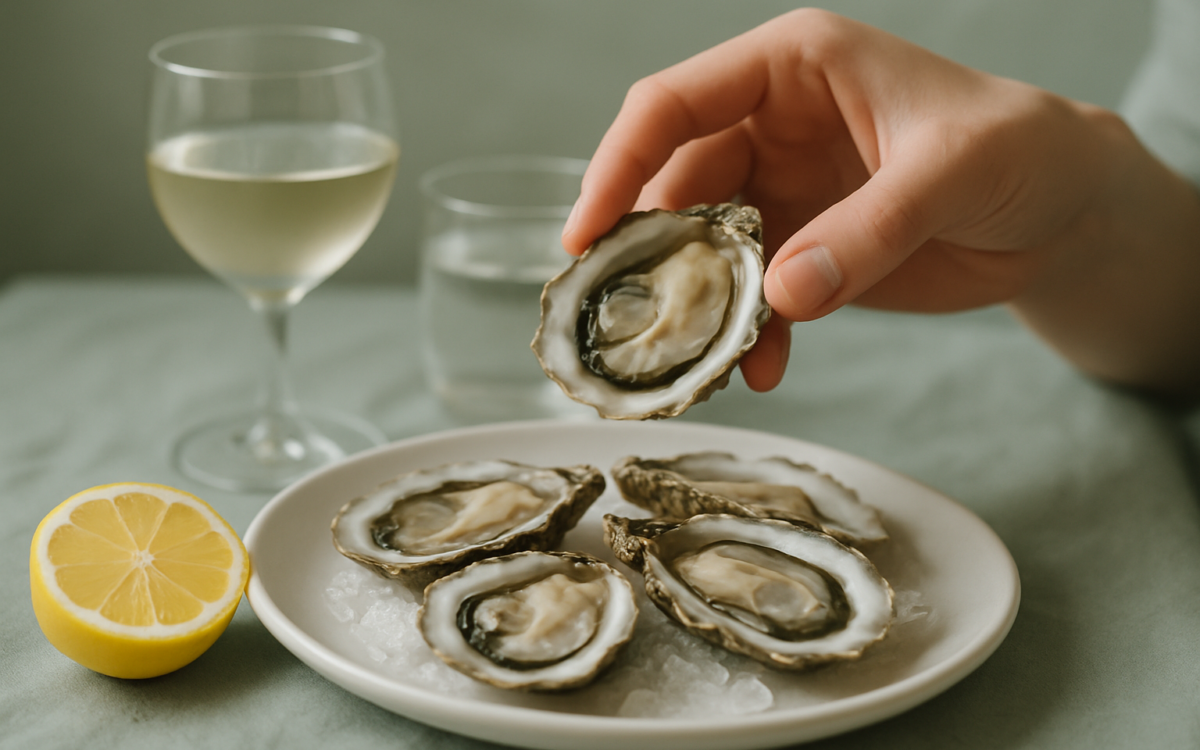
Oysters have been celebrated for centuries as a potent aphrodisiac. Their reputation is rooted in a mix of culture, tradition, and scientific intrigue. These marine mollusks are not only tasty but also pack a punch when it comes to nutrition. In this article, we’ll dive into the reasons why oysters have earned the title of nature’s aphrodisiac and explore the health benefits they offer.
The Science Behind Oysters as Aphrodisiacs
Historically, oysters have been linked to increased sexual desire. This connection may be due mostly to their high levels of certain nutrients. One particular nutrient of interest is zinc, an essential mineral that plays a vital role in hormone production. Zinc helps regulate testosterone levels in men, which is crucial for libido and sexual function. Likewise, it’s beneficial for women, as it contributes to hormone balance and overall reproductive health.
According to research by the National Institutes of Health, a diet rich in zinc can positively affect sexual health. A serving of oysters can provide more than 500% of the daily recommended intake of this mineral, making them one of the most zinc-dense foods available.
Oyster Nutritional Profile
Aside from their potential aphrodisiac properties, oysters are a nutritional powerhouse. Here’s what you typically find in a serving of raw oysters:
- Protein: Oysters are relatively low in calories yet high in protein, making them a great choice for muscle repair and overall health.
- Omega-3 Fatty Acids: These essential fats are known for their anti-inflammatory properties and heart health benefits.
- Vitamins and Minerals: Oysters are rich in vitamins B12 and D and minerals like selenium, phosphorus, and iron, which support various body functions.
This unique mix of nutrients makes oysters a beneficial addition to your diet, whether you’re seeking to spice up your love life or simply looking for a healthy dish.
Historical and Cultural Context
The allure of oysters as aphrodisiacs isn’t limited to modern society. Historical texts from various cultures highlight their sexual connotations. For instance, the famous lover Casanova was known to consume dozens of oysters for breakfast. In ancient cultures, such as the Greeks and Romans, oysters were often recommended to enhance romantic encounters.
This cultural significance shapes our perception of oysters today. Consuming them in a romantic setting, such as a candlelit dinner, adds to their reputation as an aphrodisiac.
Myths and Realities
The idea of food as an aphrodisiac often raises skepticism. Scientific studies surrounding the impact of specific foods on sexual desire have shown mixed results. While the nutrient profile of oysters supports their status, no food can guarantee an increase in sexual desire or performance.
Essentially, the experience of eating oysters may evoke feelings of luxury and indulgence, which can enhance romantic feelings. It’s the combination of the environment, the act of sharing the meal, and the sensory experience that may truly set the mood.
How to Prepare and Enjoy Oysters
If you’re keen to experience the flavors and potential benefits of oysters, there are various ways to enjoy them:
- Raw: Many enthusiasts prefer oysters raw, served on the half shell with lemon, hot sauce, or mignonette sauce.
- Grilled: Grilling oysters can add a smoky flavor and is often done with toppings like garlic butter and herbs.
- Steamed or Baked: Steamed or baked oysters can be prepared with various toppings, making them a delicious comfort food.
Always ensure that you source your oysters from reputable suppliers to avoid foodborne illness. Freshness is key when enjoying these delicacies.
Potential Allergies and Precautions
While oysters offer many health benefits, they can also be a source of allergies for some individuals. Symptoms of an oyster allergy can range from mild (itchy skin) to severe (anaphylaxis), which may require immediate medical attention.
Diners should also be cautious about shellfish consumption, especially individuals with certain health conditions or weakened immune systems. Oysters can harbor bacteria and viruses that can lead to gastrointestinal distress. Cooking oysters can reduce this risk significantly.
When to See a Doctor
If you experience allergic reactions such as severe skin irritations or gastrointestinal symptoms after eating oysters, it’s important to consult with a healthcare professional. Additionally, if you suspect you have food poisoning due to consuming raw or undercooked oysters, seek medical attention.
In summary, oysters have earned their place as a celebrated aphrodisiac due to their unique mix of nutrients, cultural history, and sensory experience. Although they may help set the mood, the enjoyment of oysters is best when paired with a romantic atmosphere and responsible consumption. Whether you’re an oyster aficionado or a first-timer, savor this seafood delicacy for both its taste and its potential health benefits.
