
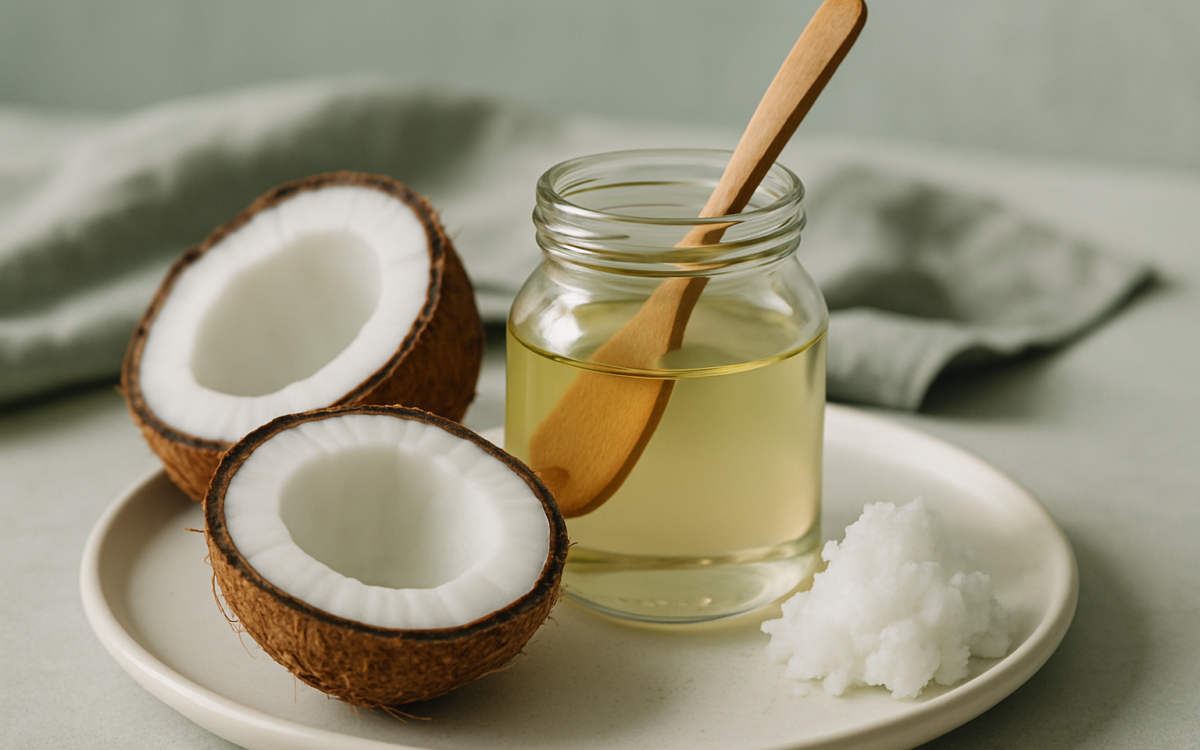
Virgin coconut oil (VCO) has gained popularity in recent years, touted for its numerous health benefits and culinary versatility. Derived from the fresh meat of coconuts, this oil differs from refined coconut oil, as it retains more of the natural nutrients and flavor. While some claim miraculous effects, understanding the evidence surrounding VCO can help you make well-informed decisions about its role in your diet.
What Is Virgin Coconut Oil?
Virgin coconut oil is made from fresh coconut meat, which is cold-pressed to extract the oil. This method preserves the natural goodness of the coconut and results in a product that’s rich in nutrients. VCO contains a high percentage of saturated fats, predominantly medium-chain triglycerides (MCTs), which are metabolized differently than other types of fats. While saturated fats have often been demonized, VCO may offer unique properties that could be beneficial for health.
Health Benefits of Virgin Coconut Oil
1. May Improve Heart Health: Although VCO is high in saturated fat, some studies suggest that its MCTs can raise good cholesterol (HDL) levels while potentially lowering bad cholesterol (LDL) levels. This may lead to a healthier lipid profile, potentially benefiting heart health. However, moderation is essential. For further details, check resources like NIH.
2. Supports Weight Management: Because medium-chain triglycerides are quickly metabolized for energy, VCO might help with weight management. Some research indicates that incorporating MCTs into your diet can lead to increased energy expenditure, helping with weight loss when combined with a balanced diet and exercise.
3. Promotes Gut Health: The antimicrobial properties of VCO may help support gut health by killing harmful bacteria and yeast. Research suggests that VCO can act as a prebiotic, nourishing beneficial gut bacteria and supporting digestion. Studies have pointed to its potential impact on conditions such as irritable bowel syndrome (IBS).
Culinary Uses of Virgin Coconut Oil
Virgin coconut oil is prized not only for its health benefits but also for its culinary versatility. Here are some popular ways to incorporate it into your meals:
- Cooking and Baking: VCO has a high smoke point, making it suitable for frying, sautéing, and baking. It can add a subtle coconut flavor to your dishes, perfect for tropical-inspired recipes.
- Spreads: Use VCO as a spread on toast or a topping for pancakes and waffles instead of butter or margarine.
- In Smoothies: Adding a tablespoon of VCO to your morning smoothie can provide healthy fats and a creamy texture.
Common Myths About Virgin Coconut Oil
Despite its rising popularity, several misconceptions exist about virgin coconut oil. Let’s debunk a few:
1. All Saturated Fats Are Bad: While excessive intake of saturated fats can have negative health effects, the specific type of saturated fats found in coconut oil might be less harmful, especially when consumed in moderation.
2. Miracle Cure-All: Some claims suggest that virgin coconut oil can cure diseases or dramatically improve health outcomes. While it does have health benefits, it’s not a substitute for a balanced diet and medical treatment.
3. Can Replace All Cooking Oils: Although VCO is versatile, it’s essential to use a variety of healthy cooking oils in your diet. Olive oil and avocado oil also have unique health benefits that can complement your meals.
How to Choose Quality Virgin Coconut Oil
When shopping for virgin coconut oil, it’s crucial to select a high-quality product. Look for:
- Organic Certification: Organic virgin coconut oil is less likely to contain harmful chemicals or pesticides.
- Cold-Pressed: Ensure that the oil is cold-pressed to preserve its nutrients and flavor.
- Glass Packaging: Oils stored in glass containers may be more stable than those in plastic, helping to avoid contamination or degradation.
When to See a Doctor
If you’re considering adding virgin coconut oil to your diet, consult with your healthcare provider, especially if you have underlying health conditions such as heart disease or diabetes. It’s also wise to speak with them if you experience any adverse reactions after incorporating VCO into your meals.
Conclusion
Virgin coconut oil is a nutrient-rich food that offers numerous potential health benefits and culinary versatility. While it’s essential to be aware of its saturated fat content, moderate consumption can be part of a healthy lifestyle. Explore the various ways to enjoy VCO in your diet, and don’t forget to balance it with other healthy fats for optimal health.
