
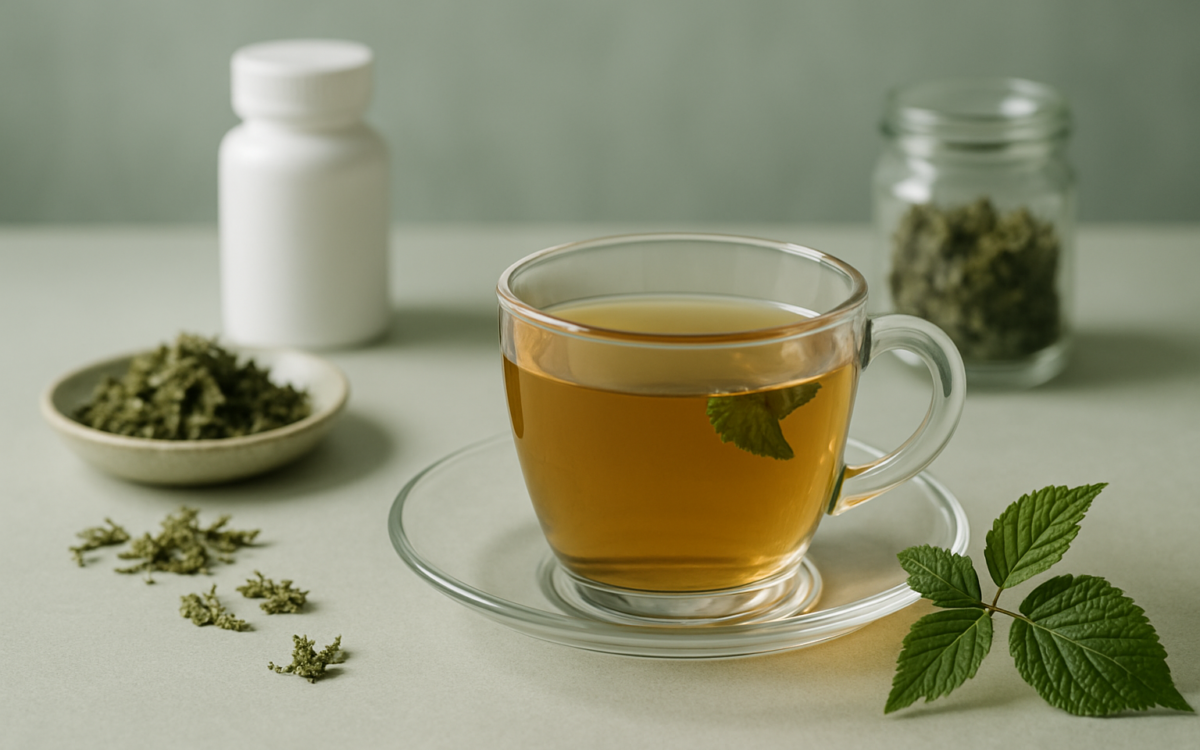
Red raspberry leaf tea has been a popular herbal remedy for centuries, particularly among women. This caffeine-free infusion is made from the leaves of the red raspberry plant (Rubus idaeus) and is often praised for its potential health benefits. In this article, we will explore the uses, benefits, preparation methods, and considerations regarding red raspberry leaf tea.
What Is Red Raspberry Leaf Tea?
Red raspberry leaf tea is an herbal tea made from the dried leaves of the red raspberry plant. Traditionally used in herbal medicine, it has earned a reputation as a nourishing brew, particularly for women. The leaves contain a variety of beneficial compounds, including vitamins, minerals, and antioxidants, which may contribute to its health-promoting properties.
Potential Health Benefits
While research is still evolving, many individuals consume red raspberry leaf tea for its potential health benefits. Here are some of the most commonly cited advantages:
1. Menstrual Health
Many women drink red raspberry leaf tea to help ease menstrual discomfort. Anecdotal evidence suggests that the tea may help in reducing cramping and balancing menstrual cycles. The leaves contain fragarine, an alkaloid that is thought to help tone the muscles of the pelvic region.
2. Support During Pregnancy
Red raspberry leaf tea is often recommended in the later stages of pregnancy. Women have used this tea for generations, believing that it can help prepare the uterus for labor and promote a smoother delivery. Some studies indicate that it may reduce the length of labor, although more research is needed to confirm these findings ([NIH](https://www.ncbi.nlm.nih.gov/)).
3. Nutrient-Rich Profile
The tea is packed with nutrients that can support overall health. It contains vitamins C and E, as well as B vitamins, calcium, magnesium, and iron. These nutrients are essential for maintaining various bodily functions, including bone health, immune function, and energy levels.
How to Prepare Red Raspberry Leaf Tea
Making red raspberry leaf tea is simple and can be done at home. Here’s a basic recipe to get you started:
- Ingredients: 1 tablespoon dried red raspberry leaves, 1 cup boiling water.
- Instructions:
- Place the dried leaves in a teapot or cup.
- Pour boiling water over the leaves.
- Cover and steep for about 10-15 minutes.
- Strain the leaves and enjoy. You may add honey or lemon for flavor if desired.
Precautions and Considerations
While red raspberry leaf tea is generally considered safe for most people, some precautions should be taken:
1. Pregnancy
Women who are pregnant should consult their healthcare provider before consuming red raspberry leaf tea, especially if they are in the early stages. While it is often beneficial in the third trimester, every woman’s situation is different.
2. Allergies and Side Effects
Some individuals may be allergic to raspberry leaves, which can lead to reactions such as itchy skin or respiratory issues. Additionally, if you experience any unusual symptoms after consuming the tea, it is advised to stop and consult a healthcare professional.
When to See a Doctor
If you are considering adding red raspberry leaf tea to your routine, especially if you are pregnant, have existing health conditions, or are taking medications, consult your doctor. It’s important to have a conversation about your health history and any potential interactions.
Conclusion
Red raspberry leaf tea is a flavorful herbal beverage with potential benefits, particularly for women dealing with menstrual discomfort or those seeking support during pregnancy. While it has been traditionally used for generations, individual experiences may vary. Always consult with a healthcare professional before making any changes to your health regimen. Enjoy this delightful tea as part of a balanced diet and a healthy lifestyle.
