
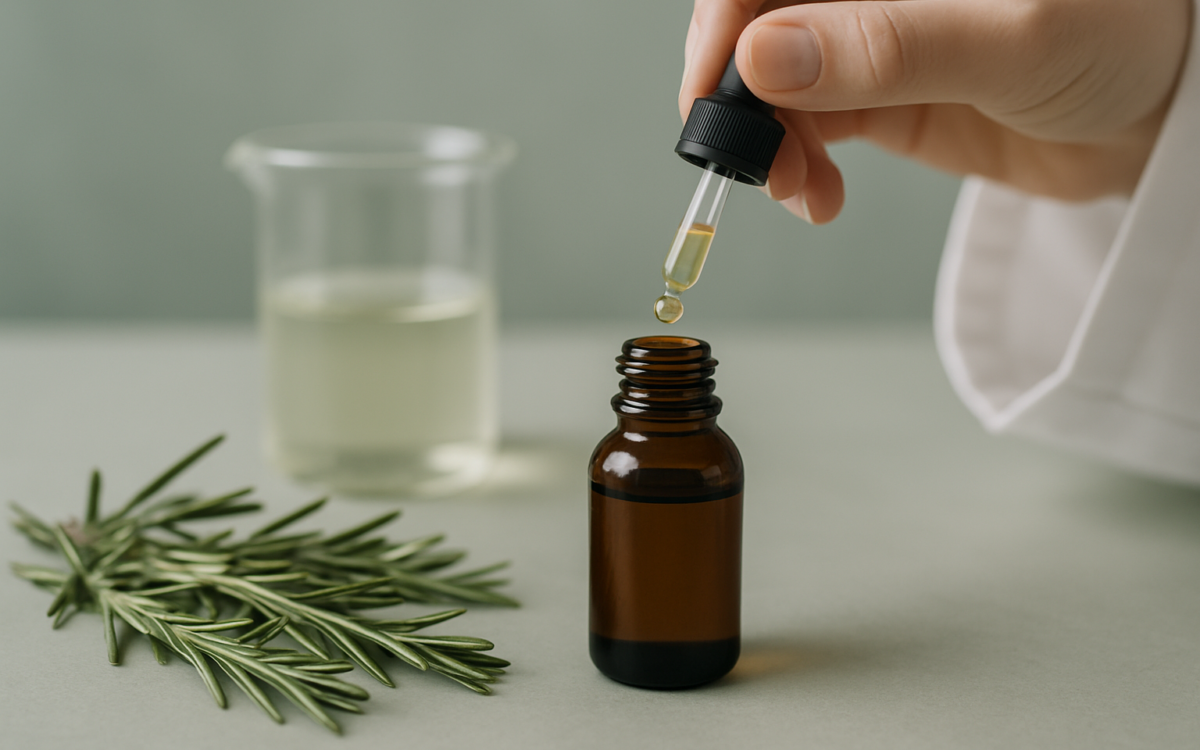
Rosemary is more than just a flavorful herb found in your kitchen. It is also a powerful essential oil known for its numerous health benefits. Extracted from the leaves of the rosemary plant (Rosmarinus officinalis), this essential oil has been used for centuries in culinary practices, traditional medicine, and aromatherapy. In this article, we’ll explore the various benefits of rosemary essential oil, its uses, and important safety precautions.
The Origins and Properties of Rosemary Essential Oil
Rosemary essential oil is obtained through a process called steam distillation. The oil contains a variety of active compounds, such as rosmarinic acid, camphor, and 1,8-cineole, contributing to its distinct aroma and therapeutic properties. Known for its stimulating and refreshing scent, rosemary has been a staple in herbal medicine traditionally used for improving mood, increasing alertness, and enhancing mental clarity.
Potential Health Benefits
Cognitive Enhancements
One of the most exciting benefits of rosemary essential oil is its potential to enhance cognitive function. Research suggests that rosemary aroma may improve memory performance and concentration. This makes it a popular choice for students and professionals who want to boost their mental agility during study sessions or busy work hours.
Stress Relief and Mood Improvement
Aromatherapy with rosemary essential oil may help reduce stress and anxiety. The oil’s scent has calming properties that can help soothe the mind. Inhale rosemary oil during meditation or yoga practices to create a tranquil environment. Several studies have indicated that inhaling rosemary oil can lead to a decrease in stress hormone levels, promoting a state of relaxation. The aroma can also uplift your mood, providing a natural way to combat feelings of low energy or sadness.
Hair and Scalp Health
Rosemary essential oil is gaining popularity as a natural remedy for hair and scalp health. It is believed to improve circulation in the scalp, encouraging hair growth and potentially preventing hair loss. Some studies show that when used regularly, rosemary oil can be as effective as minoxidil, a common hair loss treatment, when applied to the scalp. To use rosemary oil for hair, mix a few drops with a carrier oil, such as jojoba or coconut oil, before massaging it into your scalp.
Practical Uses of Rosemary Essential Oil
Aromatherapy
Aromatherapy is one of the most common ways to use rosemary essential oil. You can diffuse the oil in your home to create a refreshing atmosphere. Alternatively, you can add a few drops to your bath for a soothing experience. This practice not only smells delightful but may also provide mental clarity and reduce feelings of stress.
Topical Applications
When using rosemary essential oil topically, it is crucial to dilute it with a carrier oil before application to avoid skin irritation. Options such as sweet almond oil or coconut oil work well. You can apply the diluted mixture on areas of concern, such as the scalp, to promote hair growth or to the wrists and neck for aromatherapeutic benefits throughout the day.
Household Uses
Rosemary essential oil can even serve practical purposes around the home. Its natural antiseptic properties make it a good ingredient for homemade cleaning products. You can add a few drops to your homemade all-purpose cleaner or even add it to your laundry for a fresh smell.
Safety and Precautions
While rosemary essential oil is generally considered safe for most individuals, there are some important precautions to keep in mind:
- Always dilute essential oils before applying them to the skin to avoid irritation.
- Do a patch test first to ensure you do not have an allergic reaction.
- Avoid ingesting rosemary essential oil without professional guidance; essential oils are potent and can be toxic when consumed in large quantities.
- Pregnant or nursing individuals should consult with their healthcare provider before using rosemary essential oil.
- Keep the oil away from the eyes and mucous membranes.
It is essential to consult a healthcare professional if you have any underlying health conditions or are concerned about using essential oils.
When to See a Doctor
If you experience discomfort or an allergic reaction after using rosemary essential oil, such as a rash, difficulty breathing, or swelling, seek medical advice immediately. Additionally, if you have chronic health issues or are considering using essential oils as a complementary treatment, it’s always best to discuss this with your doctor.
In conclusion, rosemary essential oil is a versatile and beneficial addition to your wellness routine. From enhancing mental clarity to promoting healthy hair, its uses are numerous. As with any essential oil, being aware of safety precautions and consulting with your healthcare provider can ensure that you experience the best of what this aromatic herb has to offer.
