
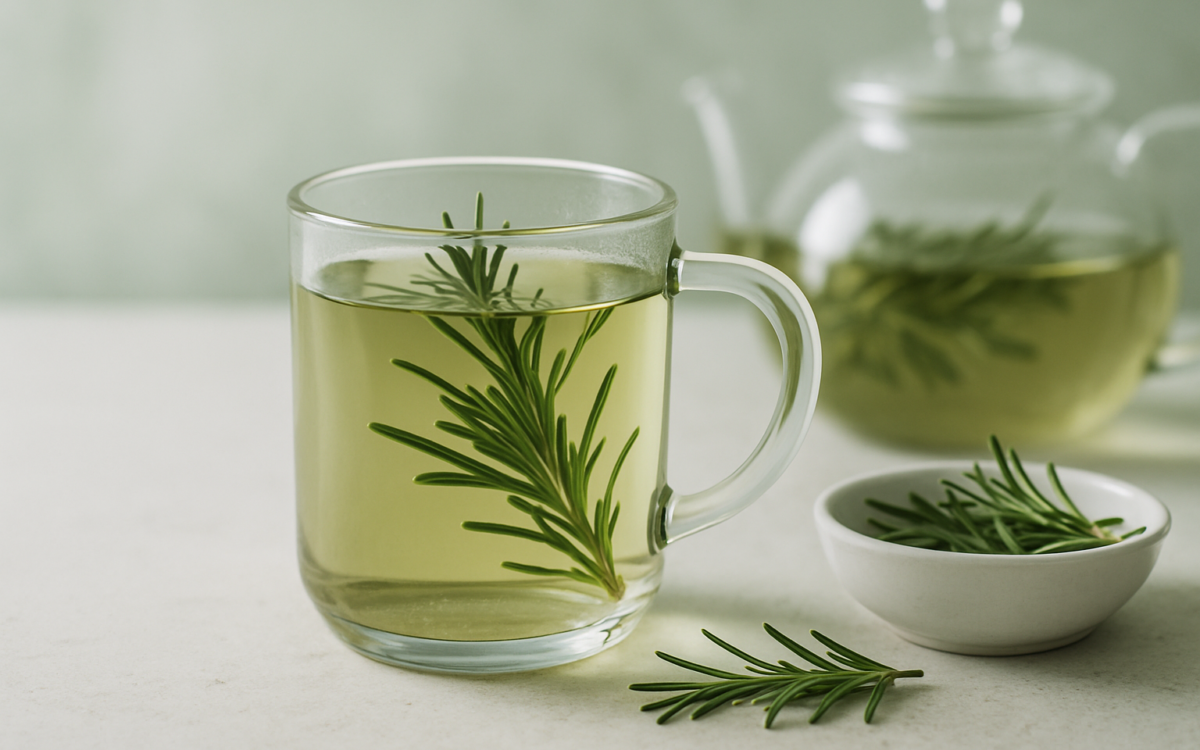
Many of us are familiar with rosemary as a fragrant herb that enhances our favorite dishes. However, this aromatic plant, known for its needle-like leaves and rich flavor, also boasts a variety of health benefits, particularly when enjoyed as a tea. Rosemary tea offers a delightful way to incorporate the advantages of this beloved herb into your daily routine.
What Is Rosemary Tea?
Rosemary tea is an herbal infusion made from the leaves of the rosemary plant (Rosmarinus officinalis). This herb has a long history in culinary and medicinal practices, dating back to ancient civilizations. Traditionally, rosemary has been used for its potential health benefits and aromatic properties.
The Nutritional Profile of Rosemary
Rosemary is a rich source of antioxidants and bioactive compounds. These include:
- Rosmarinic acid: Known for its anti-inflammatory properties.
- Carnosic acid: May help protect the brain from neurodegeneration.
- Vitamins: Rosemary provides vitamins A, C, and several B vitamins that support overall health.
This nutritional profile makes rosemary not just a flavorful seasoning, but also a valuable addition to your wellness routine.
Potential Health Benefits of Rosemary Tea
Consuming rosemary tea can have several possible health benefits:
1. Antioxidant Properties
The antioxidants in rosemary tea may help combat oxidative stress and reduce damage caused by free radicals. This can be beneficial for overall health and longevity. Studies suggest that antioxidants can play a role in protecting against chronic diseases, including heart disease and cancer (NIH).
2. Improved Digestion
Traditionally, rosemary has been used to alleviate digestive issues. Drinking rosemary tea may help soothe the stomach and promote better digestion. Its carminative properties can aid in reducing bloating and discomfort.
3. Cognitive Benefits
Research indicates that rosemary could enhance memory and concentration. Its aroma is often associated with stimulating cognitive function, and some studies suggest that components found in rosemary may even help protect the brain from age-related decline (NIH).
4. Anti-inflammatory Effects
Chronic inflammation can lead to various health issues, including arthritis. The anti-inflammatory compounds in rosemary tea may help reduce inflammation and associated pain, making it a comforting choice for individuals dealing with inflammatory conditions.
5. Mood Enhancement
Enjoying a warm cup of rosemary tea can serve not just physical health but also mental well-being. The aroma of rosemary is believed to have mood-lifting properties and may help relieve stress and anxiety. Taking a moment to sip this aromatic tea could provide a calming ritual in a busy day.
How to Prepare Rosemary Tea
Making rosemary tea is simple and requires just a few basic ingredients:
- Fresh or dried rosemary: Use about 1 teaspoon of dried rosemary or 1 tablespoon of fresh rosemary leaves.
- Water: One cup of water.
Here’s a basic preparation method:
- Boil one cup of water in a small pot or kettle.
- Add the rosemary leaves to the boiling water.
- Reduce heat and let it simmer for about 5-10 minutes.
- Strain the leaves and pour the tea into your cup.
- Enjoy hot or cold, optionally sweetening with honey or adding lemon for extra flavor.
Considerations When Consuming Rosemary Tea
While rosemary tea is generally safe for most people, there are some considerations to keep in mind:
- Pregnancy: Pregnant women should consult their healthcare provider before consuming rosemary in large amounts, as it may stimulate menstrual flow.
- Allergies: Some individuals may be allergic to rosemary, so it’s best to start with a small amount to assess your reaction.
- Medication interactions: Rosemary can interact with certain medications, especially blood thinners. Talk to your doctor if you’re on medication.
When to See a Doctor
If you experience any unusual reactions after drinking rosemary tea, such as an allergic response or gastrointestinal issues, it’s important to consult a healthcare professional. Additionally, if you are considering using rosemary tea for specific health concerns, please speak to your doctor for personalized advice.
Conclusion
Rosemary tea is more than just a flavorful herbal infusion; it offers a range of potential health benefits and can be a delightful addition to your routine. Whether you enjoy it for its aroma, taste, or wellness properties, rosemary tea can enhance your health journey. Just remember to use it wisely and consult your healthcare provider if you have any concerns.
