
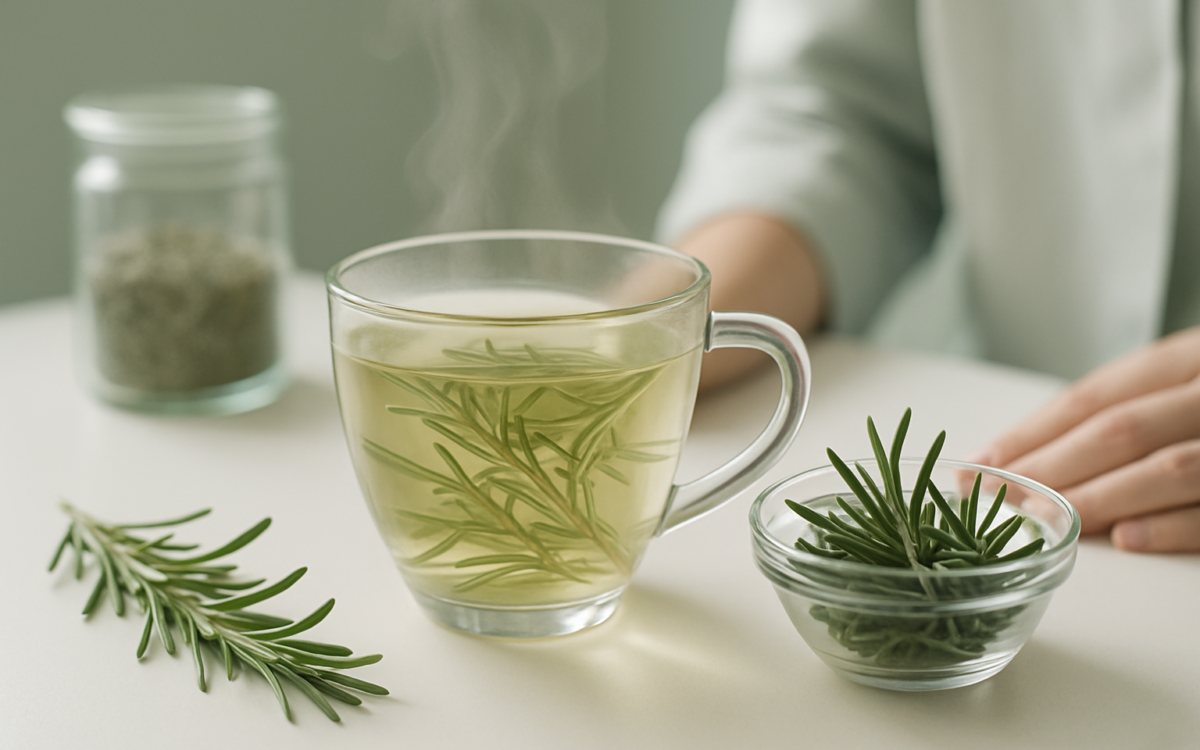
If you’re looking to add a unique twist to your herbal tea collection, look no further than rozmarin tea. Made from the leaves of the rosemary plant, this aromatic beverage has not only delighted taste buds for centuries but has also been associated with a variety of health benefits. Let’s explore what rozmarin tea is all about, how to prepare it, and why you might want to consider making it a regular part of your routine.
What is Rozmarin Tea?
Rozmarin tea, often referred to simply as rosemary tea, is an herbal tea made by steeping the leaves of the rosemary plant (Rosmarinus officinalis). This evergreen herb, native to the Mediterranean region, is known for its wonderful fragrance and distinctive taste, often used in cooking to enhance flavors in dishes like roasted meats, stews, and even bread. The tea, however, brings its own set of health benefits that old and new herbalists alike have cherished.
Potential Health Benefits of Rozmarin Tea
Rozmarin tea has been linked to several potential health benefits, largely due to the bioactive compounds found in rosemary. Here are some of the key benefits:
- Antioxidant Properties: Rosemary contains powerful antioxidants, which help protect your body against oxidative stress and free radicals. These antioxidants may support overall health and reduce the risk of chronic diseases. For more details on antioxidants, refer to the NIH article.
- Improved Digestion: Drinking rozmarin tea may aid in digestion and soothe gastrointestinal discomfort. It has traditionally been used to alleviate bloating and gas.
- Possible Memory Enhancement: Some studies suggest that compounds in rosemary could enhance memory and concentration. This may be particularly useful for those who experience cognitive fatigue.
- Anti-Inflammatory Effects: The anti-inflammatory properties of rosemary can help reduce inflammation in the body, potentially benefiting those with conditions like arthritis.
How to Prepare Rozmarin Tea
Making rozmarin tea is easy and can be done with fresh or dried rosemary leaves. Here’s a simple method to enjoy this herbal delight:
Ingredients
- 1-2 teaspoons of fresh or dried rosemary leaves
- 1 cup of boiling water
- Honey or lemon (optional, for flavor)
Instructions
- Place the rosemary leaves in a cup.
- Pour boiling water over the leaves.
- Cover the cup and steep for about 5-10 minutes, depending on how strong you prefer the flavor.
- If desired, add honey or lemon for a touch of sweetness.
- Strain the tea and enjoy!
Flavor Profiles and Culinary Uses
Rozmarin tea has a unique flavor profile that can range from earthy and woodsy to slightly peppery, making it a delightful choice for tea lovers seeking something different. In addition to being a comforting beverage, rozmarin tea can also be incorporated into various culinary applications:
- Use it as a base for marinades for meats or vegetables.
- Incorporate it into homemade salad dressings for a zesty twist.
- Pair it with roasted potatoes or sourdough for a flavorful meal addition.
Precautions and Considerations
While rozmarin tea is generally safe for most people, there are some precautions to keep in mind:
- Pregnancy and Nursing: Pregnant and nursing mothers should consult a healthcare provider before adding rozmarin tea to their diet, as certain herbal teas can have effects that are not fully understood.
- Drug Interactions: Rosemary may interact with certain medications, including blood thinners. If you’re taking medications, it’s wise to discuss with your doctor before incorporating this tea regularly.
- Allergies: Individuals with allergies to plants in the Lamiaceae family (like mint, sage, and basil) should exercise caution when using rozmarin tea.
When to See a Doctor
If you have questions about adding rozmarin tea to your diet, particularly if you have underlying health conditions or are on medication, consulting a healthcare professional is advised. Additionally, if you experience any adverse reactions after consuming the tea, seek medical advice promptly.
Conclusion
Rozmarin tea is more than just a flavorful herbal drink; it promises a host of potential health benefits, from antioxidant properties to aiding digestion. With easy preparation methods and various culinary uses, this delightful tea can be integrated into your daily routine with ease. As with any herbal remedy, be sure to consult with a healthcare professional to ensure it aligns with your health needs. So, the next time you think about enjoying a warm, comforting tea, consider giving rozmarin tea a try!
