
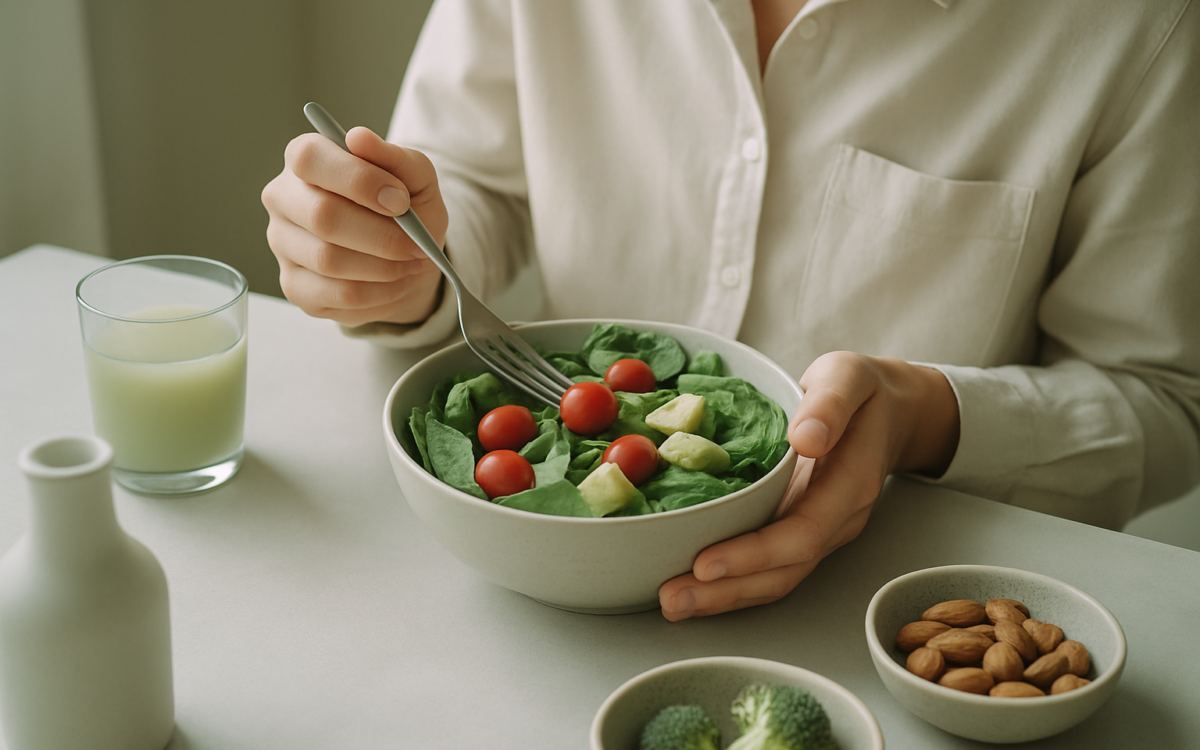
In today’s fast-paced world, many people are starting to pay attention to how their diet affects their overall health. One approach that’s gaining traction is the low inflammation diet. This dietary plan focuses on reducing inflammation, which can lead to chronic diseases like heart disease, diabetes, and even some cancers. In this article, we’ll explore what a low inflammation diet entails, its benefits, and how to incorporate it into your daily life.
What is inflammation?
Inflammation is a natural response by your body to protect itself from injury and infection. While acute inflammation can be beneficial—for example, when you have a cut that becomes red and swollen—chronic inflammation can be harmful. It occurs when your immune system remains activated, leading to a host of health issues.
According to the National Institutes of Health (NIH), chronic inflammation is linked to many health conditions, including arthritis, asthma, and various chronic diseases. Reducing this inflammation can be achieved through dietary choices.
Why follow a low inflammation diet?
Adopting a low inflammation diet can be beneficial for numerous reasons:
- Improved heart health: Studies show that inflammatory processes can lead to heart disease. Eating anti-inflammatory foods helps protect your cardiovascular system.
- Better weight management: An anti-inflammatory diet can help regulate metabolism and support healthy weight loss.
- Enhanced mental clarity: Emerging research connects inflammation to cognitive decline. A low inflammation diet may support brain health and function.
Overall, focusing on a diet that emphasizes anti-inflammatory foods may lead to improved overall health and well-being.
Key components of a low inflammation diet
So, what does a low inflammation diet look like? Here are some essential components to consider:
Fruits and vegetables
Fruits and vegetables are rich in antioxidants and phytochemicals, which help combat inflammation. Berries, cherries, spinach, kale, and sweet potatoes are excellent choices. A wide variety of colorful produce allows you to benefit from different nutrients and compounds.
Healthy fats
Not all fats are created equal. Incorporating sources of healthy fats can reduce inflammation. Focus on:
- Olive oil
- Avocados
- Fatty fish like salmon, sardines, and mackerel
These foods are rich in omega-3 fatty acids, which are known to help reduce inflammatory markers in the body.
Whole grains
Whole grains such as brown rice, quinoa, and whole wheat products are high in fiber and can help reduce inflammation. Unlike refined grains, which can spike blood sugar levels, whole grains provide a steady release of energy and support gut health.
Nuts and seeds
Nuts and seeds, like walnuts, flaxseeds, and chia seeds, are also excellent sources of healthy fats and protein. Incorporating a handful of these daily can provide anti-inflammatory benefits.
Spices and herbs
Certain spices and herbs, such as turmeric and ginger, possess powerful anti-inflammatory properties. Use these liberally in cooking to enhance not only the flavor but also the health benefits of your meals.
Foods to limit or avoid
While focusing on anti-inflammatory foods, it’s equally important to recognize which foods can promote inflammation. Here are some to limit or avoid:
- Processed foods: Foods high in refined sugars and unhealthy fats can increase inflammation.
- Excessive alcohol: While moderate consumption may have some benefits, high levels of alcohol can lead to heightened inflammatory responses.
- Saturated and trans fats: These fats, which are often found in fried and baked goods, can trigger inflammatory pathways in the body.
By being mindful of these inflammatory food triggers, you can further enhance the benefits of your low inflammation diet.
Tips for transitioning to a low inflammation diet
Making changes to your diet doesn’t have to be overwhelming. Here are some tips to help you transition smoothly:
- Start small: Begin by adding a serving of fruits or vegetables to your daily meals.
- Plan your meals: Preparing meals in advance helps you make healthier choices and reduces the temptation for quick, unhealthy options.
- Read labels: Familiarize yourself with ingredient lists to avoid hidden sugars and unhealthy fats.
Adopting a low inflammation diet is a journey. It’s okay to take it step by step, making sustainable changes that fit your lifestyle.
Delicious recipe ideas
To inspire you on your low inflammation journey, here are a couple of simple recipes:
Berry Smoothie Bowl
Blend your choice of berries, a banana, and a splash of almond milk. Pour into a bowl and top with chia seeds, nuts, and a drizzle of honey for sweetness.
Quinoa Salad
Mix cooked quinoa with chopped spinach, cherry tomatoes, cucumber, and avocado. Drizzle with olive oil and lemon juice for a refreshing dish.
When to see a doctor
If you’re experiencing symptoms that you suspect may be related to chronic inflammation, such as persistent pain, fatigue, or swelling, it’s essential to consult your doctor. They can provide tests or assessments to help identify any underlying conditions and recommend appropriate dietary and lifestyle changes.
In conclusion, a low inflammation diet can serve as a proactive approach to enhancing your health. By focusing on nutrient-rich foods while avoiding certain triggers, you can work toward reducing inflammation in your body. Remember, any significant dietary changes should be discussed with your healthcare provider to ensure they align with your individual health needs.
