
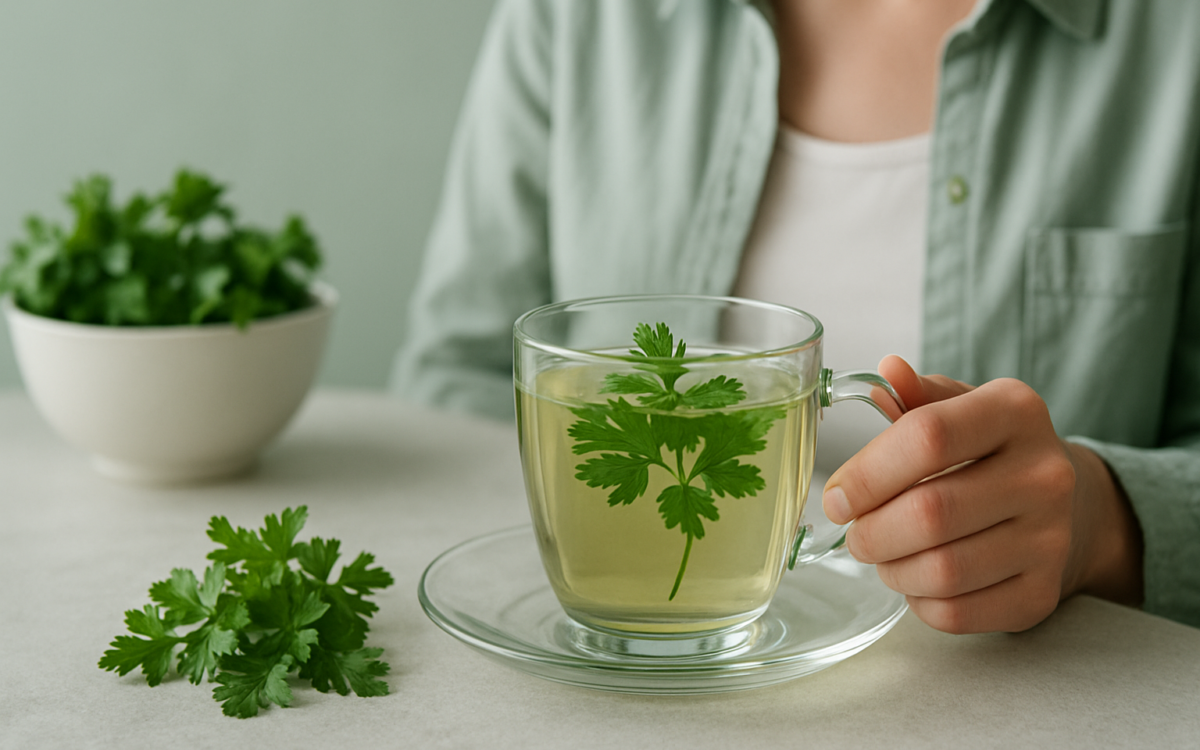
Parsley, a cherished herb known for garnishing dishes, boasts a long history in traditional medicine. When transformed into tea, parsley offers a soothing beverage packed with potential health benefits. This article explores the health perks of drinking parsley tea, how to make it, any risks associated with it, and when to see a doctor.
What Is Parsley Tea?
Parsley tea is made by steeping fresh or dried parsley leaves in hot water. This herbal infusion is not only refreshing but also rich in antioxidants, vitamins, and minerals. Parsley, scientifically known as Petroselinum crispum, has been used for centuries in various cultures for its medicinal properties.
Key Health Benefits of Drinking Parsley Tea
Parsley tea is often praised for its numerous health advantages. Here are some notable benefits:
Nutrient-Rich
Parsley is a powerhouse of nutrients, especially when brewed as tea. It is a significant source of vitamin K, which plays a crucial role in bone health and blood clotting. Additionally, it contains vitamin C, an antioxidant that supports the immune system, and vitamin A, which is important for eye health.(NIH)
Supports Digestive Health
Drinking parsley tea may help promote digestive wellness. It is thought to help reduce bloating, gas, and discomfort by acting as a natural diuretic. The compounds in parsley can stimulate the digestive system, potentially aiding in nutrient absorption.
May Help Detoxification
Parsley tea may assist in detoxifying the body. Its high levels of antioxidants help combat oxidative stress, while its natural diuretic properties promote the elimination of toxins through urine. This can support kidney function and overall health.
Anti-Inflammatory Properties
Chronic inflammation is linked to various diseases, including heart disease and diabetes. Parsley contains several flavonoids that have anti-inflammatory effects, which may help lower inflammation in the body, potentially reducing the risk of chronic ailments.
How to Prepare Parsley Tea
Making parsley tea is simple and can be done using either fresh or dried parsley. Here’s a quick guide:
Ingredients
- 1-2 tablespoons of fresh parsley or 1-2 teaspoons of dried parsley
- 2 cups of water
- Optional: honey, lemon, or ginger for flavor
Instructions
- Boil 2 cups of water in a pot.
- Add the parsley and simmer for about 5-10 minutes.
- Strain the mixture into a cup to remove the parsley leaves.
- Add honey, lemon, or ginger if desired for additional flavor.
- Sip and enjoy this nourishing herbal tea!
Potential Risks and Side Effects
While parsley tea can be a healthy beverage option, it is essential to be aware of potential side effects. High consumption of parsley may lead to:
- Allergic Reactions: Some individuals may be allergic to parsley. Symptoms can include skin reactions, itching, or gastrointestinal distress.
- Blood-Thinning Effects: Parsley is high in vitamin K, which can impact blood clotting. Those on blood-thinning medications should consult a doctor before adding parsley tea to their diet.
- Pregnancy Concerns: Pregnant women may want to limit their intake of parsley tea, as large amounts could potentially stimulate the uterus.
When to See a Doctor
If you experience any adverse reactions after drinking parsley tea, such as skin rashes, gastrointestinal upset, or allergic responses, it is advisable to consult a healthcare professional. Additionally, if you are pregnant, nursing, or taking medications, it’s essential to discuss with your doctor before adding parsley tea to your routine.
Conclusion
Parsley tea is a delightful herbal beverage that offers various health benefits, from boosting nutrient intake to supporting digestive and detoxification processes. It is easy to prepare and can be enhanced with various flavors to suit your taste. However, be cautious of potential side effects and consult with a doctor if you have any health concerns. So, the next time you see a bunch of parsley, consider sipping on a warm cup of parsley tea!
