
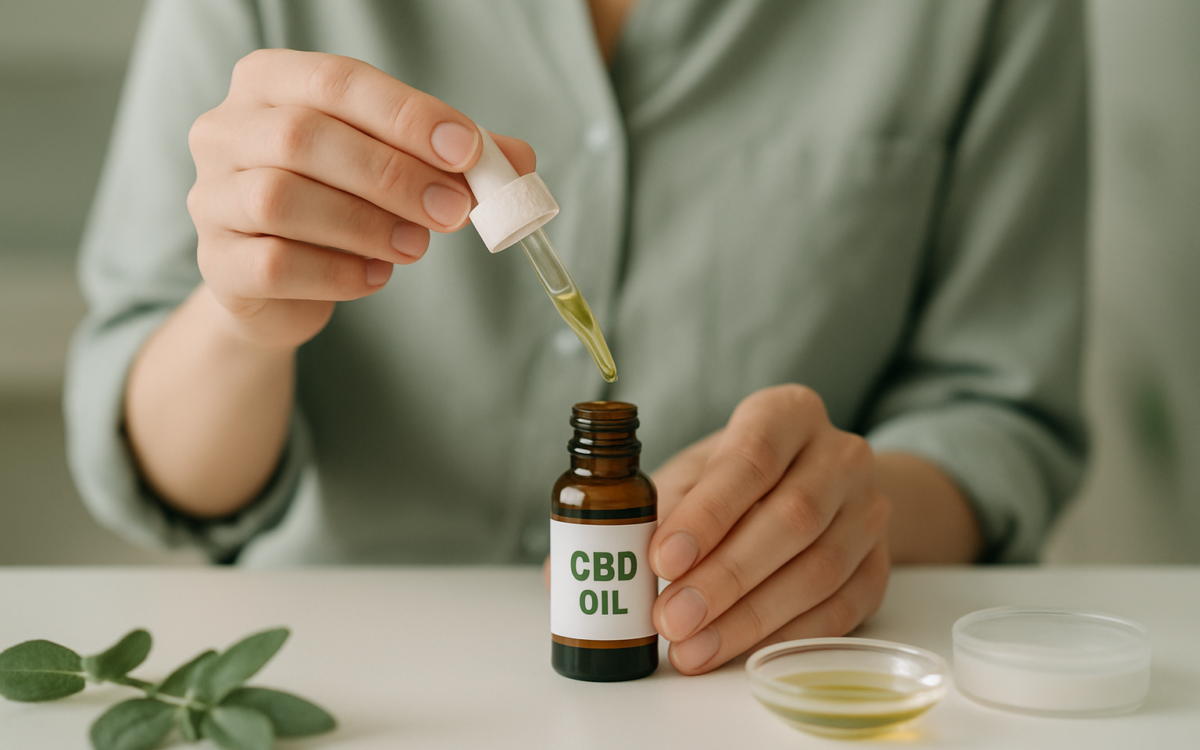
Oils are more than just cooking ingredients; they are versatile substances that can enhance health, beauty, and even home care. With countless oils available today—ranging from culinary oils to essential oils—it’s essential to understand their unique properties and benefits. This article will delve into various types of oils, their uses, and how they can contribute to your overall well-being. So, can you oil? Yes, and let’s explore how!
Cooking Oils: The Foundation of Healthy Eating
Cooking oils are vital in any kitchen, as they not only add flavor but also provide essential nutrients. Common types include:
- Olive Oil: Known for its heart-healthy fats, olive oil is rich in monounsaturated fatty acids and antioxidants. It can lower heart disease risk and improve cholesterol levels. Research from the National Institutes of Health supports these benefits.
- Coconut Oil: This tropical oil has gained popularity for its unique fat composition, which is primarily medium-chain triglycerides (MCTs). Some studies suggest MCTs may boost metabolism and enhance weight loss.
- Avocado Oil: With a mild flavor and high smoke point, avocado oil is rich in monounsaturated fats and vitamins E, A, and D, making it a nutritious addition for sautéing or drizzling over salads.
Incorporating various cooking oils into your diet can help ensure you get a balanced intake of healthy fats.
Essential Oils for Wellness and Aromatherapy
Essential oils are concentrated plant extracts that have been used for centuries in traditional healing practices. Today, they are popular for their aromatic and therapeutic properties. Some well-known essential oils include:
- Lavender Oil: Often used for its calming effects, lavender oil may help reduce anxiety and promote better sleep. Studies have shown that inhaling lavender may improve sleep quality, as reported by the National Institutes of Health.
- Tea Tree Oil: Renowned for its antimicrobial properties, tea tree oil is effective against bacteria and fungi. It’s commonly used in skincare for acne and minor cuts.
- Peppermint Oil: This invigorating oil can help alleviate headaches and boost energy levels. Some people find that inhaling peppermint oil enhances focus and concentration.
Before using essential oils, it’s essential to dilute them with carrier oils, such as coconut or olive oil, to prevent skin irritation.
Oils in Skincare: Nourishing Your Skin Naturally
Oils can be incredibly beneficial for skin health. They help hydrate, protect, and provide essential nutrients to the skin. Here are a few oils commonly found in skincare:
- Jojoba Oil: Mimicking the natural oils of our skin, jojoba oil is a great moisturizer suitable for all skin types. It’s non-comedogenic, meaning it won’t clog pores.
- Argan Oil: Packed with vitamin E and fatty acids, argan oil hydrates the skin and can help reduce the appearance of fine lines.
- Rosehip Oil: Rich in essential fatty acids and antioxidants, rosehip oil may improve skin texture and tone, and it is often used for fading scars.
Incorporating oils into your skincare routine can promote a healthy, glowing complexion.
Household Uses: Oils for Everyday Life
Oils can also play a significant role in maintaining a clean and pleasant home environment. Some creative uses include:
- Natural Cleaning Product: Mix vinegar, water, and essential oils such as tea tree or lemon to create a natural disinfectant.
- Air Freshener: A few drops of essential oils in a diffuser can make your home smell amazing and help purify the air.
- Moisturizing Furniture Polish: Combine olive oil and lemon juice to create a natural furniture polish that nourishes wood surfaces.
These simple yet effective uses highlight how oils can enhance not just personal health but also your living space.
Considerations When Using Oils
While oils offer numerous benefits, it’s essential to use them wisely. Here are some tips to keep in mind:
- Quality Matters: Always choose high-quality oils from reputable sources to ensure you are getting the most benefits without harmful additives.
- Patch Test: When trying a new essential oil on your skin, perform a patch test to check for allergic reactions.
- Consult Your Doctor: If you’re pregnant, nursing, or have underlying health issues, consult your healthcare provider about your oil use.
Being mindful of these considerations can help you enjoy the benefits of oils safely and effectively.
When to See a Doctor
If you experience adverse reactions or unusual side effects after using oils—such as rashes, difficulty breathing, or persistent discomfort—it’s crucial to seek medical attention. Also, consult your doctor if you consider using oils for therapeutic purposes, especially if you have underlying health conditions.
In conclusion, oils can significantly enhance various aspects of your life—whether through cooking, skincare, or creating a pleasant home environment. With the right knowledge and careful use, they can be powerful allies on your health and wellness journey.
