
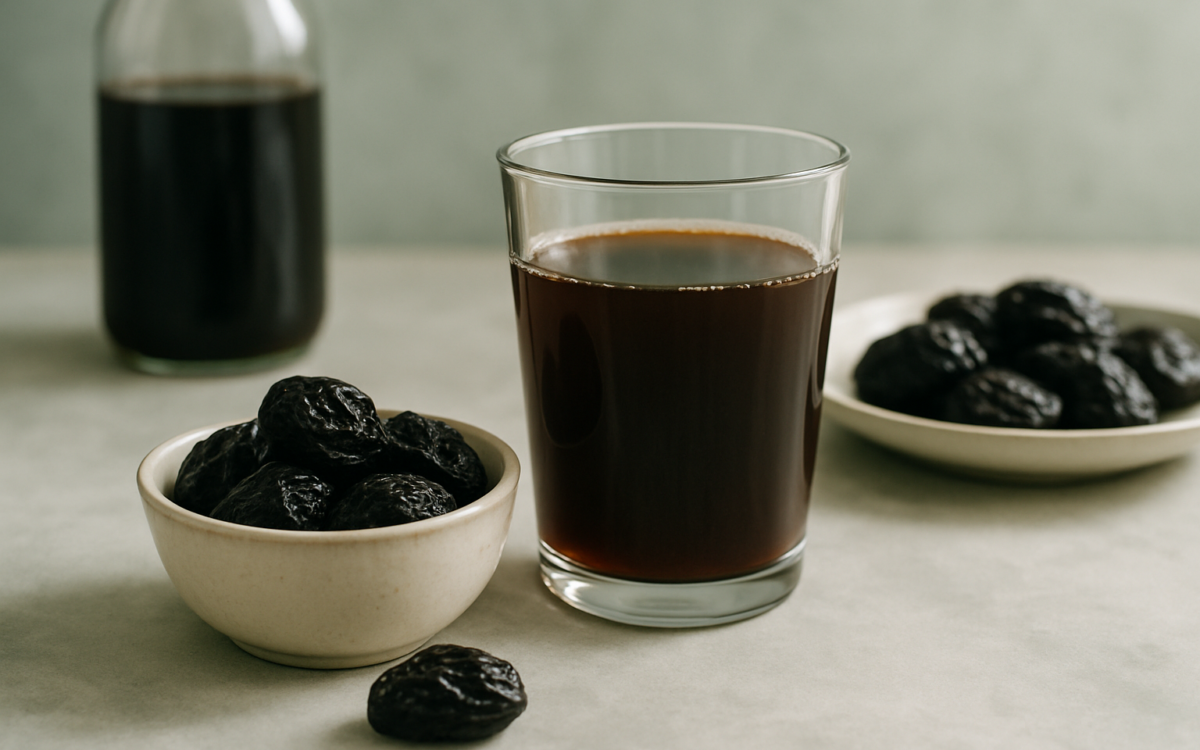
Prunes and prune juice have long been celebrated for their health benefits, particularly in promoting digestive health. But these nutrient-rich foods offer much more than just relief from constipation. With a mix of vitamins, minerals, and antioxidants, prunes can be a delicious and nutritious addition to your diet. Let’s delve into what makes prunes and prune juice so beneficial.
What Are Prunes?
Prunes are dried plums, usually of the European variety known as the Prunus domestica. These dried fruits are packed with nutrients and have a rich, sweet flavor, making them a popular snack. The drying process concentrates the fruit’s natural sugars and nutrients, leading to numerous health benefits.
Nutrition Profile
- Vitamins and Minerals: Prunes are an excellent source of potassium, which helps regulate blood pressure and is important for heart health. They also contain vitamin K, which is essential for proper blood clotting.
- Dietary Fiber: One of the standout features of prunes is their high fiber content. A serving of prunes (about four to five pieces) contains around 3 grams of fiber, promoting digestive health and helping to maintain a healthy bowel.
- Antioxidants: Prunes are rich in antioxidants like phenolic compounds, which may help protect cells from damage and reduce inflammation in the body.
Digestive Health Benefits
The most well-known benefit of prunes is their effect on digestion. The high fiber content and natural sorbitol act as mild laxatives, helping to relieve constipation. According to the National Institutes of Health, consuming prunes daily has been linked to improved bowel regularity and reduced risk of constipation.
In addition to helping with constipation, the soluble fiber in prunes helps maintain gut health by promoting the growth of beneficial gut bacteria. A healthy gut microbiome is crucial for digestion and overall health.
Other Health Benefits
Beyond digestive health, prunes and prune juice may have several other positive effects on overall wellness:
- Bone Health: Some studies suggest that prunes may help improve bone density, particularly in postmenopausal women. The American Journal of Clinical Nutrition highlights that daily consumption of prunes may contribute to bone health and mitigate osteoporosis risk.
- Heart Health: The potassium and fiber in prunes may help lower blood pressure and cholesterol levels, supporting cardiovascular health.
- Blood Sugar Control: Despite their sweetness, prunes have a low glycemic index, which means they are less likely to cause a rapid spike in blood sugar. This makes them a suitable snack for people managing their blood sugar levels.
Prune Juice: A Refreshing Alternative
Prune juice is another popular option for reaping the benefits of prunes. It retains many of the nutrients found in whole prunes, offering similar health benefits. Juice provides a concentrated source of vitamins and minerals, while also being an effective way to aid digestion.
When choosing prune juice, look for products that are 100% juice with no added sugars. This ensures you maximize the health benefits while avoiding extra calories.
How to Incorporate Prunes and Prune Juice into Your Diet
Adding prunes and prune juice to your diet can be both easy and enjoyable. Here are some simple ideas:
- Snack Time: Enjoy prunes as a healthy snack on their own or combine them with nuts for a delicious trail mix.
- Breakfast Boost: Add chopped prunes to oatmeal, yogurt, or cereal for a fiber boost.
- Baking: Use prunes in baking as a natural sweetener. They can be puréed and substituted for sugar in recipes.
- Sipping Smart: Drink prune juice in moderation, as part of a balanced diet. A small glass in the morning can kickstart your digestive system.
When to See a Doctor
While prunes and prune juice can support health, it’s important to consult your doctor if you experience chronic constipation or any significant digestive issues. Additionally, if you have any underlying health concerns or are unsure about including prunes in your diet, seeking guidance from a healthcare professional is advisable.
Conclusion
Prunes and prune juice are not just tasty; they offer a variety of health benefits, particularly for digestion, bone health, and heart health. With their nutrient-rich profile and versatility in the kitchen, incorporating them into your diet can be beneficial for your overall wellness. Whether you prefer eating them whole or sipping on prune juice, these little fruits pack a powerhouse of nutrition.
