
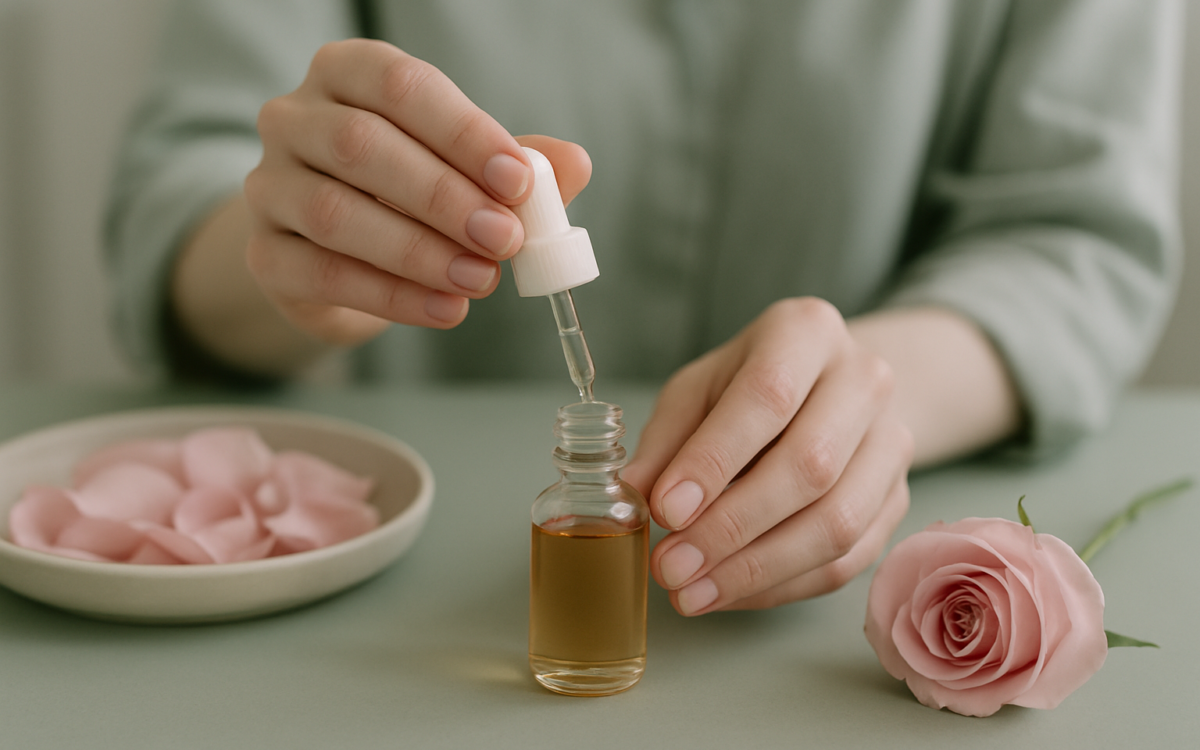
Rose oil, extracted from the petals of the rose flower, is cherished not only for its captivating fragrance but also for its potential health benefits. Used for centuries in different cultures, rose oil finds its place in aromatherapy, skincare, and even emotional wellness. This article explores the benefits of rose oil, how to use it, and precautions to consider.
What is rose oil?
Rose oil, particularly the type derived from Rosa damascena, is obtained through steam distillation of rose petals. This essential oil is rich in various compounds that contribute to its aromatic and therapeutic properties. The beautiful scent of rose oil is often linked with relaxation and a sense of well-being, making it a popular choice in many wellness practices.
Health benefits of rose oil
Rose oil boasts several potential health benefits, supported by various studies and anecdotal evidence. Here are some key areas where rose oil may be particularly helpful:
- Aromatherapy and Stress Relief: Inhaling rose oil can promote feelings of calm and connection. Studies have shown that its aroma may help reduce stress and anxiety levels, supporting emotional balance (NIH).
- Skin Health: Rose oil is often used in skincare for its potential benefits in healing minor wounds, reducing redness, and providing hydration. It may help with conditions like eczema and rosacea due to its anti-inflammatory properties (Mayo Clinic).
- Antioxidant Properties: Rich in antioxidants, rose oil can help combat oxidative stress in the body, contributing to overall health and well-being.
- Hormonal Balance: There is some evidence suggesting that rose oil may help regulate hormonal levels, potentially easing menstrual discomfort and enhancing mood during the menstrual cycle.
- Anti-Aging Effects: Used in beauty routines, rose oil may help reduce the appearance of fine lines and improve skin elasticity, contributing to a youthful appearance.
How to use rose oil
Integrating rose oil into your daily routine is relatively simple. Here are some common methods of use:
Aromatherapy Diffusion
Using a diffuser is one of the easiest ways to enjoy the benefits of rose oil. Add a few drops to your diffuser with water and let the calming aroma fill your space.
Topical Application
Rose oil can be applied to the skin when diluted with a carrier oil, such as coconut or jojoba oil. This method allows you to enjoy its skincare benefits directly. Always perform a patch test first to check for allergic reactions.
Baths and Compresses
Adding a few drops of rose oil to your bath can create a spa-like experience. Alternatively, you can make a warm compress by mixing rose oil with water and applying it to areas of discomfort.
Precautions to consider
While rose oil is generally regarded as safe, there are a few precautions to keep in mind:
- Allergies: Some individuals may have allergies to essential oils. Always perform a patch test before applying it to larger areas of the skin.
- Pregnancy: Consult your doctor before using rose oil if you are pregnant, as some essential oils can cause complications.
- Quality Matters: Choose high-quality, pure rose oil to ensure you reap the benefits without exposure to harmful additives or chemicals.
When to see a doctor
If you experience any adverse reactions after using rose oil, such as skin irritations or breathing difficulties, stop using it immediately and consult a healthcare professional. Additionally, if you are considering rose oil for a specific health condition, it is always best to discuss it with your doctor.
Conclusion
Rose oil is more than just a pleasant fragrance; it carries a range of potential benefits for both the mind and body. From enhancing your skincare routine to promoting relaxation, this essential oil provides various uses that can enrich your life. Always remember to use rose oil safely and consult with a healthcare professional to ensure it’s appropriate for your personal needs.
