
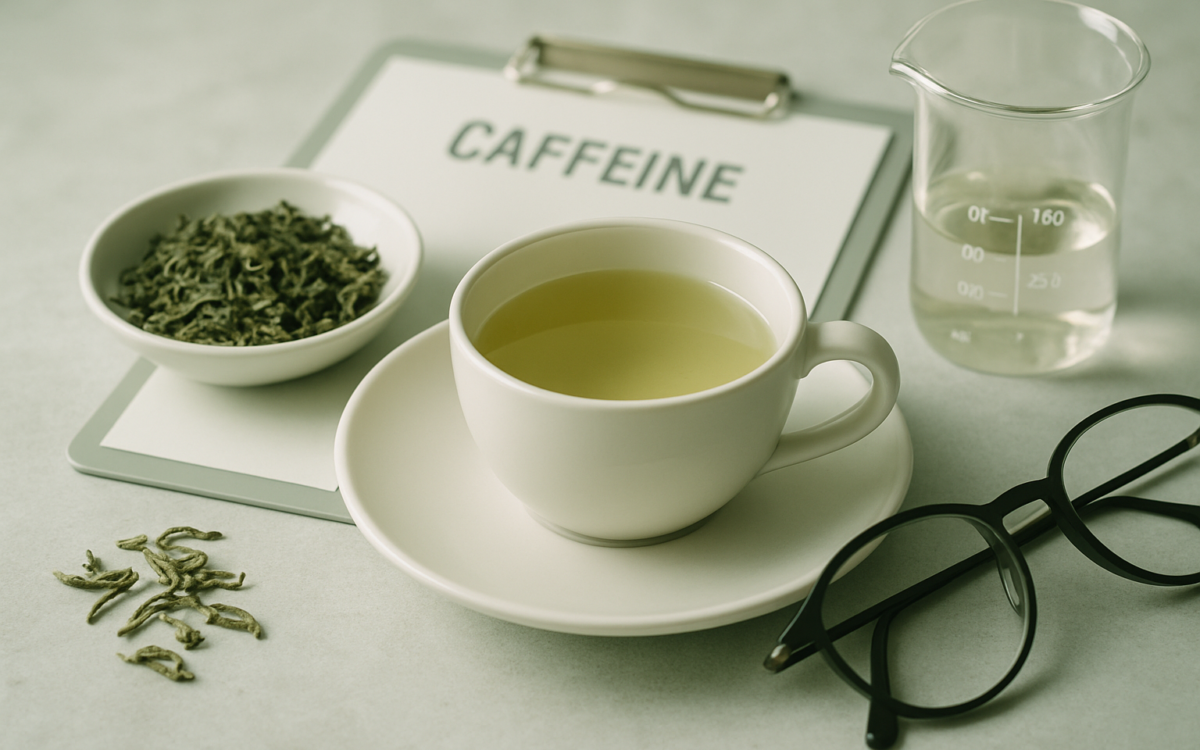
Green tea is a beloved beverage known for its refreshing flavor and potential health benefits. As you sip this green elixir, you may wonder: is green tea caffeinated? The short answer is yes, but the details are worth exploring. In this article, we will delve into the caffeine content of green tea, how it compares to coffee, and the various factors that affect its caffeine levels. This knowledge can help you make more informed choices about your tea consumption.
Understanding Caffeine
Caffeine is a natural stimulant found in various plants, including coffee beans, tea leaves, and cacao pods. It is known for its ability to increase alertness, improve concentration, and combat fatigue. For many, caffeine is a daily ritual, but its effects can vary significantly depending on the source and individual tolerance. Knowing what to expect from your beverages is vital.
How Much Caffeine is in Green Tea?
The caffeine content in green tea can vary depending on several factors, such as the type of green tea, brewing time, and water temperature. On average, an 8-ounce cup of green tea contains about 20 to 45 milligrams of caffeine. In contrast, a similar serving of brewed coffee has around 95 to 200 milligrams of caffeine. This means that, while green tea does contain caffeine, it typically has less than coffee.
For example, here are some common types of green tea and their average caffeine content:
- Matcha: 70 mg per 8 ounces
- Sencha: 30-40 mg per 8 ounces
- Dragon Well (Longjing): 30-50 mg per 8 ounces
Factors Influencing Caffeine Levels
Several factors can influence the caffeine levels in green tea:
- Type of Green Tea: Different varieties of green tea contain varying amounts of caffeine. For instance, matcha (powdered green tea) is richer in caffeine due to its unique preparation method, where the whole leaf is consumed.
- Brewing Time: The longer you steep your green tea, the more caffeine will be extracted. A brew time of 2-3 minutes will yield lower caffeine than one steeped for 5-7 minutes.
- Water Temperature: Higher water temperatures can extract more caffeine from the tea leaves. Generally, cooler water (around 160-180°F or 70-80°C) is best for brewing green tea.
Health Benefits of Green Tea
Green tea is not just about caffeine; it’s packed with helpful nutrients and antioxidants. Its primary antioxidant, catechins, has been linked to numerous health benefits:
- Heart Health: Studies have shown that green tea can help lower cholesterol levels and improve heart health. The antioxidants in green tea may also reduce the risk of heart disease.
- Weight Management: Green tea may boost metabolism and fat burning, making it a popular choice for those looking to maintain or lose weight.
- Brain Health: Research suggests that the compounds in green tea may have neuroprotective effects, potentially lowering the risk of cognitive decline.
Additionally, many people enjoy green tea for its gentle caffeine kick compared to coffee, making it easier on the stomach and less likely to cause jitters. If you’re considering using green tea as part of your wellness routine, an international perspective can be beneficial. Clinics like acibademinternational.com offer insight into global health trends surrounding green tea and its impact on wellness, encouraging a broadened understanding of its advantages.
Decaffeinated Green Tea Options
For those who prefer their beverages without the stimulant effects of caffeine, decaffeinated green tea is an option. Decaf green tea undergoes a process to remove most of its caffeine while retaining some of its beneficial properties. Although decaffeination can result in lower levels of antioxidants, many find it a great alternative that still provides flavor and some health benefits without the jittery feelings.
How Green Tea Compares to Other Beverages
Understanding green tea’s caffeine content might help you decide whether to swap your daily coffee for a cup of green tea. Here’s how it stacks up against other popular beverages:
- Green Tea: 20-45 mg per 8 oz
- Coffee: 95-200 mg per 8 oz
- Black Tea: 40-70 mg per 8 oz
- Energy Drinks: 50-300 mg per 8 oz
For those who are particularly sensitive to caffeine, choosing green tea over coffee or energy drinks may lead to a more comfortable caffeine experience.
When to See a Doctor
If you regularly consume caffeine and experience symptoms like anxiety, insomnia, rapid heart rate, or digestive issues, it might be worth consulting with a healthcare provider. They can guide you on how much caffeine is suitable based on your individual health needs.
Conclusion
Green tea is indeed caffeinated but typically contains less caffeine than coffee and many other beverages. With its many potential health benefits and lower caffeine content, it remains a popular choice among tea drinkers. Understanding the nuances of caffeine in green tea can empower you to make informed dietary choices that benefit your wellness.
