
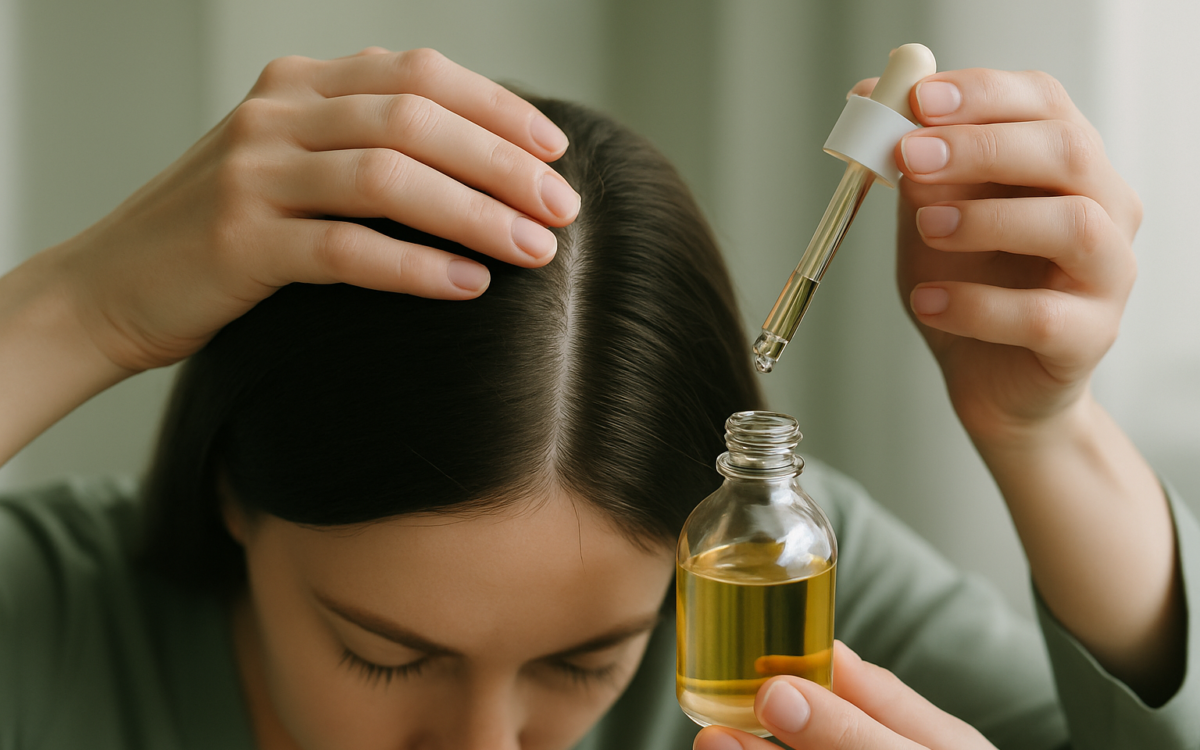
Many people seek natural remedies for hair growth, making castor oil a popular topic of discussion. This thick, viscous oil is derived from the seeds of the castor bean plant and boasts a rich history of use in various cultures. While claims about the oil’s ability to promote hair growth abound, it’s essential to separate fact from fiction and understand how it may benefit your hair.
What is Castor Oil?
Castor oil is a vegetable oil expressed from the seeds of the Ricinus communis plant. It has been used for centuries, not only in cooking but also in traditional medicine and beauty treatments. The oil is rich in ricinoleic acid, a fatty acid believed to possess anti-inflammatory and antibacterial properties. It also has moisturizing abilities, making it attractive for hair and skin care.
How Does Castor Oil Impact Hair Growth?
Many advocates swear by castor oil for hair growth, suggesting that it can increase blood circulation to the scalp and promote healthy hair growth. Some potential benefits include:
- Moisturizing Properties: Castor oil is a humectant, meaning it draws moisture to the hair and scalp. This can prevent dryness, which is crucial for maintaining healthy hair.
- Strengthening Hair: Its nourishing fatty acids may strengthen hair strands, reducing breakage and contributing to longer hair.
- Reducing Scalp Inflammation: The anti-inflammatory nature of ricinoleic acid might help soothe scalp irritation and create a healthier environment for hair to grow.
The Science Behind Castor Oil and Hair Growth
Despite its popularity, scientific evidence supporting castor oil’s effectiveness for hair growth is limited. Some small studies suggest that its unique composition could benefit hair health. For example, a study published in the National Institutes of Health highlights how certain essential fatty acids can promote stronger hair follicles, leading to a reduced rate of hair loss.
However, while these properties can contribute to a healthy scalp and hair, there is no conclusive research proving that castor oil can stimulate hair growth on its own. Many factors, including genetics, diet, and overall health, play significant roles in hair growth.
Using Castor Oil for Your Hair
If you’re interested in trying castor oil for your hair, here’s how you might incorporate it into your routine:
- Scalp Massage: Gently massage the oil into your scalp for 10-15 minutes. This can promote blood circulation and the absorption of nutrients.
- As a Hair Mask: Mix castor oil with lighter oils like coconut or jojoba oil for easier application. Apply it to your hair and leave it on for 30-60 minutes before washing it out.
- Regular Use: Using castor oil once a week may yield the best results, but be sure to monitor your hair’s needs and adjust accordingly.
Castor Oil Alternatives and International Treatment Perspectives
While castor oil is a natural option for hair care, various other oils and treatments may also promote hair growth. Oils like argan, coconut, and rosemary have all been studied for their potential benefits. If you’re considering alternative therapies or international treatment approaches, many clinics offer international patient services that focus on innovative hair restoration techniques.
Also, consult with professionals who may guide you toward therapies supported by science, ensuring you make informed choices about your hair care routine.
When to See a Doctor
While trying castor oil and other natural remedies, it’s essential to watch for any adverse reactions. If you experience excessive hair loss, scalp pain, or irritation, it’s a good idea to consult with a healthcare professional. They can help determine any underlying conditions that might be affecting your hair’s health.
Conclusion
Castor oil may offer some benefits for hair due to its moisturizing and anti-inflammatory properties, but it’s not a guaranteed solution for hair growth. With so many potential factors influencing hair health, it’s important to approach natural remedies with realistic expectations. Always consult with a doctor or dermatologist for personalized advice, and remember to listen to your body when trying new treatments.
