
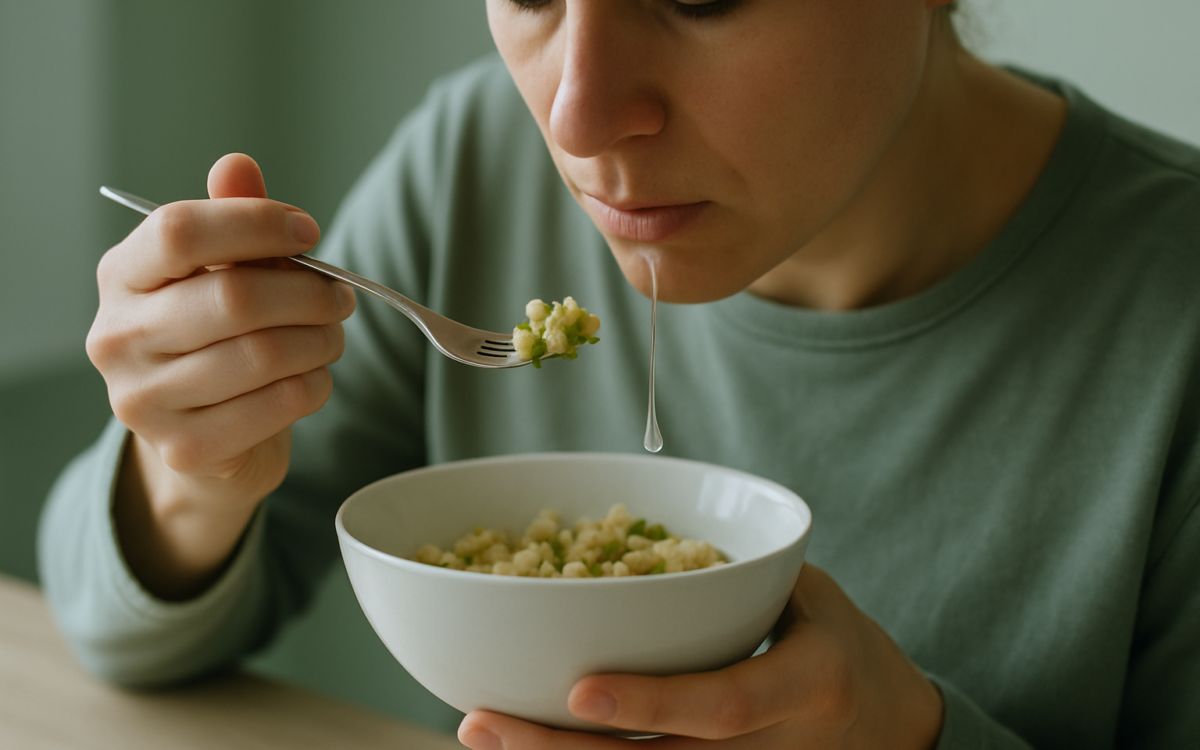
Have you ever noticed that your nose begins to run when you sit down to enjoy a meal? While it may seem odd or even a little annoying, this phenomenon is actually more common than you might think. Various factors contribute to why your body behaves this way, ranging from your taste buds triggering a reflex to food allergens causing irritation. In this article, we’ll dive into the reasons behind this curious response and what you can do to manage it.
What Happens When You Eat?
When you eat, your body engages in a complex series of reactions. As you chew, the smell and taste of food can stimulate different bodily functions. One of these responses involves the salivary glands, which produce saliva to aid in digestion. This also can lead to other glands, such as those in the nasal cavity, becoming more active. As a result, you might find that your nose begins to run. This is known as gustatory rhinitis.
Gustatory Rhinitis: A Common Culprit
Gustatory rhinitis is the medical term used to describe the runny nose phenomenon that occurs when you eat. It happens due to stimulation of the nasal and salivary glands through the process of eating, especially when consuming certain types of foods.
The response is most common after eating spicy foods, but it can also occur with other flavors. Tightening or widening blood vessels in the nasal area can cause clear mucus to be released, leading to a runny nose. This is typically a temporary reaction and usually resolves on its own once you’ve stopped eating.
Foods That Trigger a Runny Nose
Different foods can lead to varying responses in your body. Some common culprits that may trigger gustatory rhinitis include:
- Spicy foods: Peppers and other spicy ingredients often provoke increased nasal secretions.
- Citrus fruits: Oranges, lemons, and other citrus might trigger a runny nose for some people due to their acidity.
- Hot beverages: Foods that are hot in temperature can stimulate nasal glands as well.
- Alcohol: Certain alcoholic beverages may also contribute to nasal congestion or a runny nose.
While these foods may be enjoyable, they can end up being a bit inconvenient. If you find yourself frequently wiping your nose after meals, consider keeping track of what you eat to identify potential triggers.
Allergies and Food Sensitivities
Food allergies or sensitivities might also explain why your nose runs during meals. Allergic rhinitis, which is often triggered by food, can cause symptoms such as sneezing, itching, and a runny or congested nose. Common foods associated with allergies include:
- Peanuts
- Tree nuts
- Shellfish
- Milk
- Wheat
If you suspect that your runny nose could be due to a food allergy, it is crucial to consult with a healthcare professional. They can help you determine the cause through testing and provide appropriate management strategies.
The Role of Sinuses in Eating
Your sinuses play a significant role in the way you experience food and flavors, but they can also contribute to a runny nose during meals. When you eat, your sinuses can produce mucus as part of the body’s natural response to protect against potential irritants. If your sinuses are already inflamed or reactive from allergies or infections, this may exacerbate nasal responses during eating.
Taking care of your sinuses can help alleviate overall nasal issues, including those that occur while eating. Keeping well-hydrated, avoiding allergens, and managing sinus infections can be beneficial.
When Should You Be Concerned?
For many people, a runny nose when eating is simply an annoying but harmless issue. However, there are times when it might be necessary to seek medical advice. You should consider consulting a healthcare provider if you experience any of the following:
- Your runny nose is persistent and doesn’t seem to be linked to specific foods.
- You have accompanying symptoms such as facial pain, severe headaches, or fever.
- You notice blood in your nasal discharge or significant nasal obstruction.
- Your symptoms interfere with your daily activities or eating habits.
These could be indications of underlying conditions that may require further evaluation and treatment.
Conclusion
If your nose runs when you eat, you’re not alone—this phenomenon is experienced by many and can be traced back to several common causes, from gustatory rhinitis to food allergies. While it can be a nuisance, understanding the reasons behind it can help you manage the situation better. If you find that your symptoms are troubling or persistent, it’s always wise to consult a healthcare professional for guidance. Remember, your body’s reactions are unique, and it’s important to listen to what they might be telling you.
