
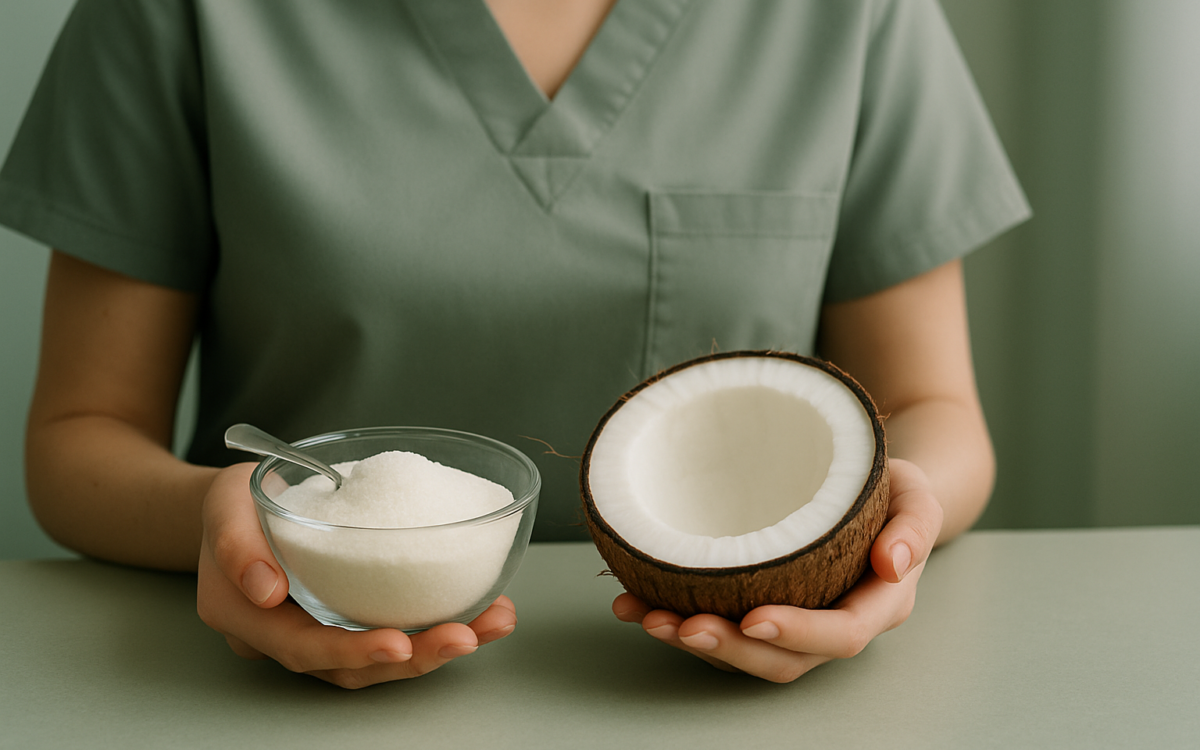
In the world of nutrition, sugar often gets a bad reputation for its contributions to various health issues, from weight gain to diabetes. On the other hand, coconut has garnered attention for its supposed health benefits, but what happens when these two are considered together? In this article, we will explore the intricate relationship between sugar and coconut, shedding light on their effects on our health and how to manage their consumption.
Understanding Sugar
Sugar is a simple carbohydrate that comes in various forms, including glucose, fructose, and sucrose. It occurs naturally in many foods, especially fruits and vegetables, but is also added to countless processed items. While sugar provides a quick source of energy, its overconsumption can lead to several health issues.
The American Heart Association recommends limiting added sugars to about 6 teaspoons per day for women and 9 teaspoons for men to maintain overall health. Excessive sugar intake has been linked to obesity, heart disease, and type 2 diabetes. You can read more about the health implications of sugar consumption on websites like the CDC and the NIH.
The Nutrition Profile of Coconut
Coconut is a versatile fruit that comes in several forms, such as coconut water, meat, oil, and flour. It is rich in medium-chain triglycerides (MCTs), which are beneficial fats that the body can quickly use for energy. Coconuts also contain fiber, vitamins, and minerals, making them a nutritious addition to a balanced diet.
Nutritional Benefits of Coconut
- Boosts energy: MCTs found in coconut provide a rapid source of energy.
- Supports heart health: Although coconut contains saturated fat, some studies suggest it may improve good cholesterol levels.
- Promotes hydration: Coconut water is a natural electrolyte-rich beverage.
- Provides fiber: Coconut meat contains fiber, which aids digestion.
Combining Sugar and Coconut
Coconut is often used in sweet dishes, sometimes paired with added sugars. Products like coconut cream desserts and coconut-flavored beverages may contain significant amounts of added sugar.
When you combine sugar with coconut in recipes, it’s important to be mindful of the health effects. While coconuts offer nutritional benefits, excessive sugar can negate those advantages. For instance, coconut-flavored yogurts or granola bars may have added sugars that can contribute to health concerns if consumed frequently.
Natural Sweeteners: A Healthier Alternative?
Many people are exploring alternatives to refined sugar, and coconut is often presented in sugar alternatives like coconut sugar. Coconut sugar is derived from the sap of the coconut palm and has a lower glycemic index than regular sugar, meaning it may cause a slower rise in blood sugar levels.
However, it’s still essential to approach coconut sugar with caution. While it may have some benefits, it’s not a free pass to consume sweets indiscriminately. Moderation remains key. The World Health Organization also emphasizes the importance of reducing overall sugar intake for better health.
Recipes to Create a Balanced Approach
Using coconut in dishes can be delicious and healthy when managed appropriately. Here are a couple of ideas for recipes that balance sugar and coconut for taste without overly relying on sweeteners:
Coconut Chia Pudding
- 1 cup coconut milk
- 1/4 cup chia seeds
- 1-2 tablespoons natural sweetener (like honey or maple syrup)
- Fresh fruit (e.g., berries or mango)
Mix all ingredients in a bowl and let it sit in the fridge overnight. The chia seeds will absorb the liquid, creating a pudding-like consistency.
Savory Coconut Rice
- 1 cup jasmine rice
- 1 cup coconut milk
- 1 cup water
- Salt to taste
Cook jasmine rice using coconut milk and water for a flavorful side dish. Skip any added sugars for a beautifully balanced meal.
When to See a Doctor
If you find that dietary changes are causing noticeable discomfort or health issues, it’s important to consult a healthcare professional. Symptoms such as significant fatigue, digestive problems, or unexplained weight gain should not be ignored.
Conclusion
The relationship between sugar and coconut reflects the complexities of nutrition. While coconut can offer various health benefits, the impact of added sugars cannot be overlooked. Understanding how to balance these two components in your diet can lead to better health outcomes. Always consider consulting a healthcare professional if you have concerns about your sugar intake or dietary choices.
