
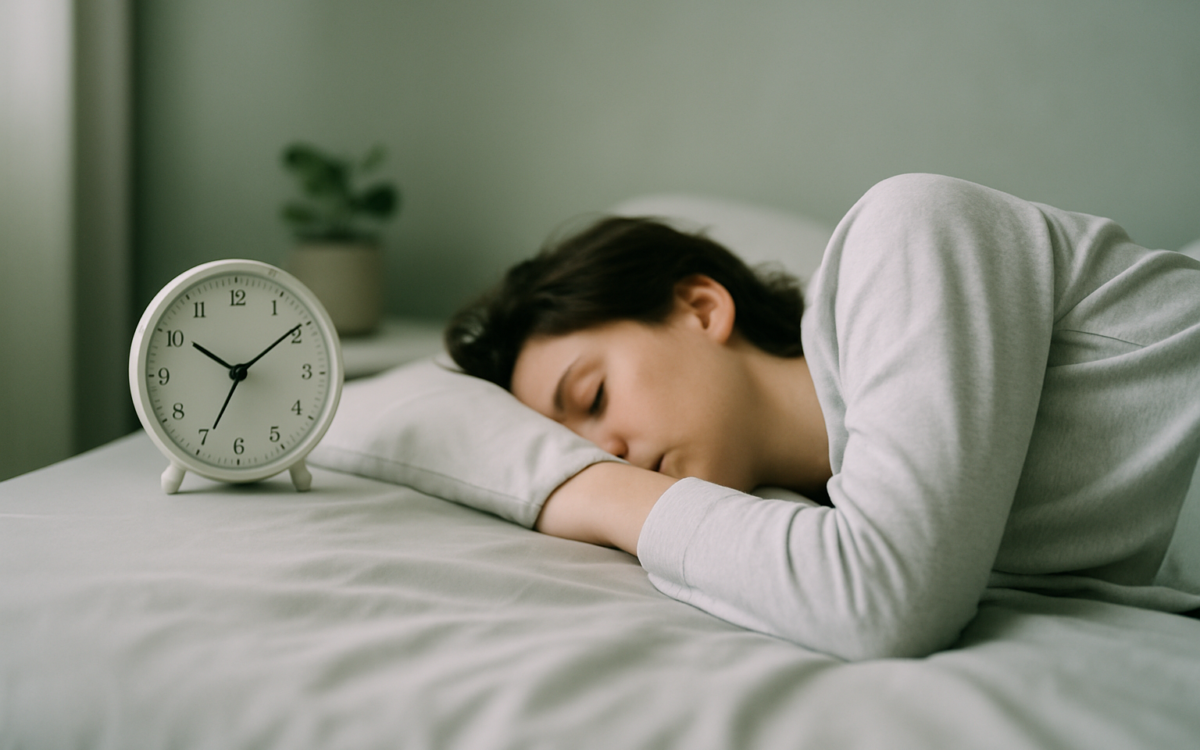
Many of us often grapple with the question of whether we’re getting enough sleep. With busy schedules and mounting responsibilities, it’s common to prioritize everything but our health. A frequent concern is whether 7 hours of sleep is enough. While the answer may vary by individual, exploring the science behind sleep can help clarify this topic.
Understanding sleep needs
The National Sleep Foundation recommends that adults aim for 7 to 9 hours of sleep per night. However, the optimal duration can depend on several factors including age, lifestyle, and overall health. For example, teenagers typically need more sleep than adults — around 8 to 10 hours — due to the rapid physical and mental growth they experience.
The science behind sleep and its effects
Sleep is vital for numerous functions in the body. It plays a critical role in brain function, emotional regulation, and immune response. Lack of adequate sleep can lead to various health issues, such as obesity, heart disease, diabetes, and mental health problems. According to the Centers for Disease Control and Prevention (CDC), insufficient sleep can also affect your performance, increasing the risk of accidents.
Is 7 hours enough for everyone?
While some individuals may feel rested after 7 hours of sleep, others might require more to function well. Factors like sleep quality, sleep disorders (such as insomnia or sleep apnea), and overall lifestyle (physical activity, stress, and diet) can impact how restorative your sleep is. It’s not merely about the number of hours you spend asleep but also about how well you sleep during those hours.
A closer look at sleep quality
Many people overlook the importance of sleep quality. Even if you get 7 hours of sleep, poor sleep quality can leave you feeling sluggish. Possible causes of poor sleep quality include:
- Frequent nighttime awakenings
- Inconsistent sleep schedule
- High levels of stress or anxiety
- Uncomfortable sleeping environment
If you’re struggling with sleep quality despite getting enough hours, it may be helpful to explore solutions, such as improving your sleep environment or incorporating relaxation techniques before bed.
International perspectives on sleep
Sleep practices and cultural attitudes towards sleep can vary across different countries. For instance, in some cultures, afternoon naps are a regular part of life, while others emphasize a full night’s sleep as essential for productivity. In places like Turkey, the importance of sleep is widely recognized, and people often consider their overall health when assessing their sleep needs. If you’re exploring sleep research or treatment options internationally, consider checking out acibademinternational.com for insights into how sleep is treated in different healthcare systems.
Signs you might need more sleep
It can be tough to determine if you’re getting enough rest. Some telltale signs that you may need more than 7 hours of sleep include:
- Persistent fatigue during the day
- Difficulty concentrating
- Increased irritability
- Frequent mood swings
If you find that these symptoms resonate with your experience, it may be time to re-evaluate your sleep habits.
Tips for improving sleep
Here are some strategies to enhance your sleep quality, aiming for a restful 7 hours:
- Establish a bedtime routine: Going to bed and waking up at the same time daily helps regulate your internal clock.
- Create a restful environment: Keep your bedroom dark, quiet, and cool. Consider blackout curtains and white noise machines.
- Limit screen time: Reduce exposure to screens at least an hour before bedtime, as the blue light emitted can interfere with sleep.
- Mind your diet: Avoid heavy meals, caffeine, and alcohol close to bedtime, as these can disrupt sleep.
- Incorporate relaxation techniques: Practices such as deep breathing, meditation, or gentle yoga can help calm the mind before sleep.
When to see a doctor
If you continually struggle with sleep, it’s essential to consult a healthcare professional. Conditions like insomnia and sleep apnea can have serious health implications if left untreated. Seeking expert guidance can help tailor a sleep plan that suits your individual needs.
Conclusion
In the end, whether 7 hours of sleep is enough depends on the individual. Assess your energy levels, overall health, and lifestyle, and prioritize sleep that is both restful and restorative. Taking steps to improve your sleep hygiene can make a world of difference, so don’t hesitate to reach for a good night’s sleep!
