
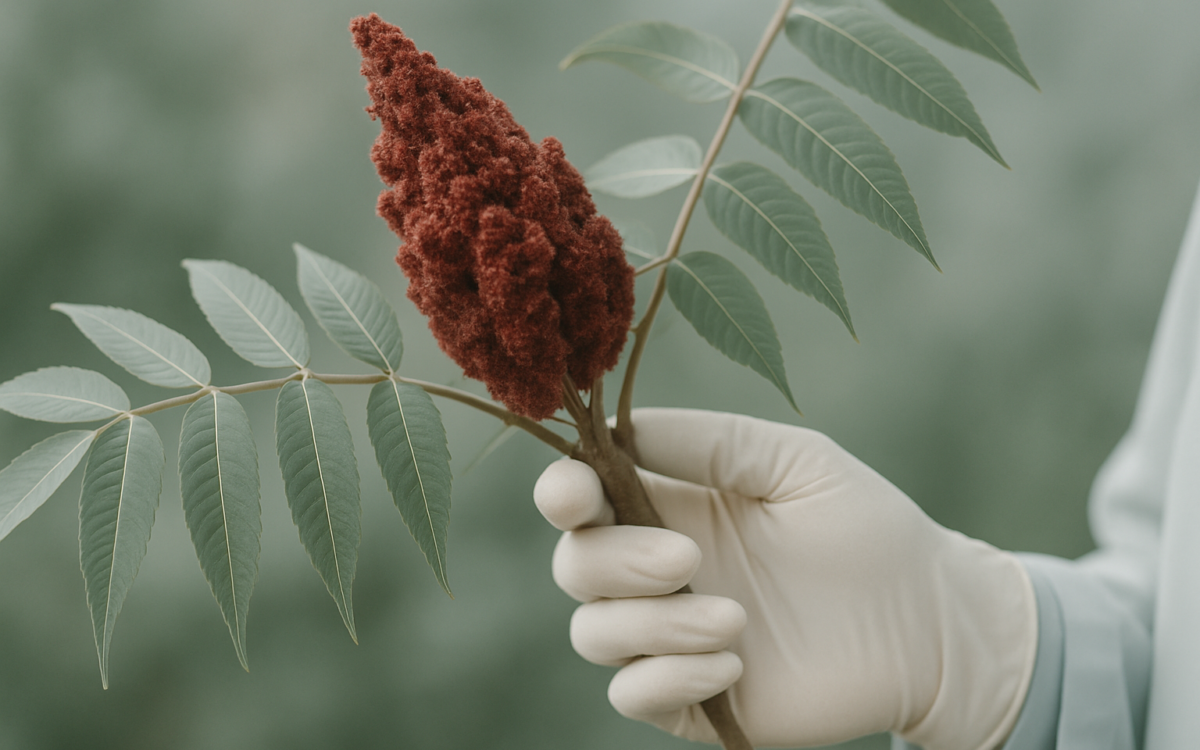
The sumac tree, often found in gardens and natural landscapes, is more than just a striking plant; it’s a source of beauty, history, and potential health benefits. With its vibrant red clusters of berries and unique leaf shapes, the sumac tree adds visual appeal to any space. The purpose of this article is to delve into the fascinating world of the sumac tree, exploring its properties, uses, and benefits.
What is the Sumac Tree?
The sumac tree belongs to the Anacardiaceae family, which includes several other well-known species like cashews and mangoes. It can vary in size from small shrubs to larger trees, reaching heights of 10 to 30 feet. Sumac trees are primarily native to temperate regions of North America and certain parts of Asia and Africa.
One of the defining features of the sumac tree is its leaves, which are typically pinnately compound with a smooth, glossy surface. In the fall, the leaves change color, presenting a stunning display of red, orange, and yellow tones before they drop off for winter. The berries are clustered atop the branches and can be a striking red or purple hue, often attracting birds and other wildlife.
Identifying the Sumac Tree
When trying to identify a sumac tree, look for several distinguishing characteristics:
- Leaves: The leaves are alternate, compound, and usually have a serrated margin. They can range from 6 to 12 inches in length.
- Flowers: In the summer, the sumac tree produces small, greenish-yellow flowers, which develop into the iconic berry clusters.
- Berries: These small red berries appear in dense clusters and are often covered in a fine, fuzzy coating.
- Bark: The bark is typically grayish-brown with a coarse texture that can appear flaky.
Be cautious, as there are poisonous varieties, including poison sumac, which have different features such as white berries and growing in wet areas. More information can be found on resources like the CDC.
The Culinary Uses of Sumac
Beyond its ornamental value, the sumac tree has culinary significance, especially in Middle Eastern cuisine. Ground sumac, made from the dried berries, has a tangy, lemony flavor that enhances a variety of dishes.
Common uses for culinary sumac include:
- Salads: Sprinkle ground sumac over salads for a zesty twist.
- Marinades: Incorporate sumac into marinades for meats and vegetables to add complexity.
- Dishes: Use sumac as a seasoning in dips like hummus or baba ghanoush.
Consuming culinary sumac in moderation may offer certain health benefits, such as antioxidant properties, as suggested by some studies available through NIH.
Health Benefits of Sumac
The berries of the sumac tree contain various beneficial compounds, including antioxidants, which are thought to contribute positively to health. While scientific research is still ongoing, some studies point to potential advantages:
- Antioxidant Effects: Sumac is rich in phytochemicals that can help combat oxidative stress in the body.
- Anti-inflammatory Properties: Certain compounds in sumac may aid in reducing inflammation, which is linked to several chronic diseases.
- Digestive Health: Sumac is believed to support digestive health, potentially aiding in the relief of digestive discomfort.
While these benefits are promising, more robust research is needed to understand the full extent of the health effects of sumac. Always consult a healthcare provider before adding new herbal remedies to your diet.
Landscaping with Sumac
As a landscaping choice, the sumac tree is cherished for its beauty and resilience. Here’s why it can be a great addition to your outdoor space:
- Attracts Wildlife: Its berries are a food source for birds and various wildlife, making it an excellent addition to wildlife gardens.
- Soil Improvement: Sumac trees can improve soil health by adding organic matter when their leaves decompose.
- Stress Tolerance: They thrive in a variety of soil conditions and are relatively drought-tolerant once established.
Before planting, ensure you research your specific region’s climate and soil conditions to identify the best type of sumac for your space.
When to See a Doctor
If you’re experiencing unusual symptoms after consuming sumac or coming into contact with the tree, it’s important to consult a healthcare professional. This is particularly true if you suspect you’ve encountered a toxic variety, like poison sumac. Always err on the side of caution when dealing with any wild plants.
In conclusion, the sumac tree is a multifaceted and beneficial plant that offers aesthetic appeal, culinary uses, and potential health benefits. Whether you’re considering adding one to your landscape, trying its culinary potential, or exploring its health aspects, the sumac tree holds plenty of promise. Just remember to research and consult experts when needed, making sure to enjoy this unique gift from nature responsibly.
