
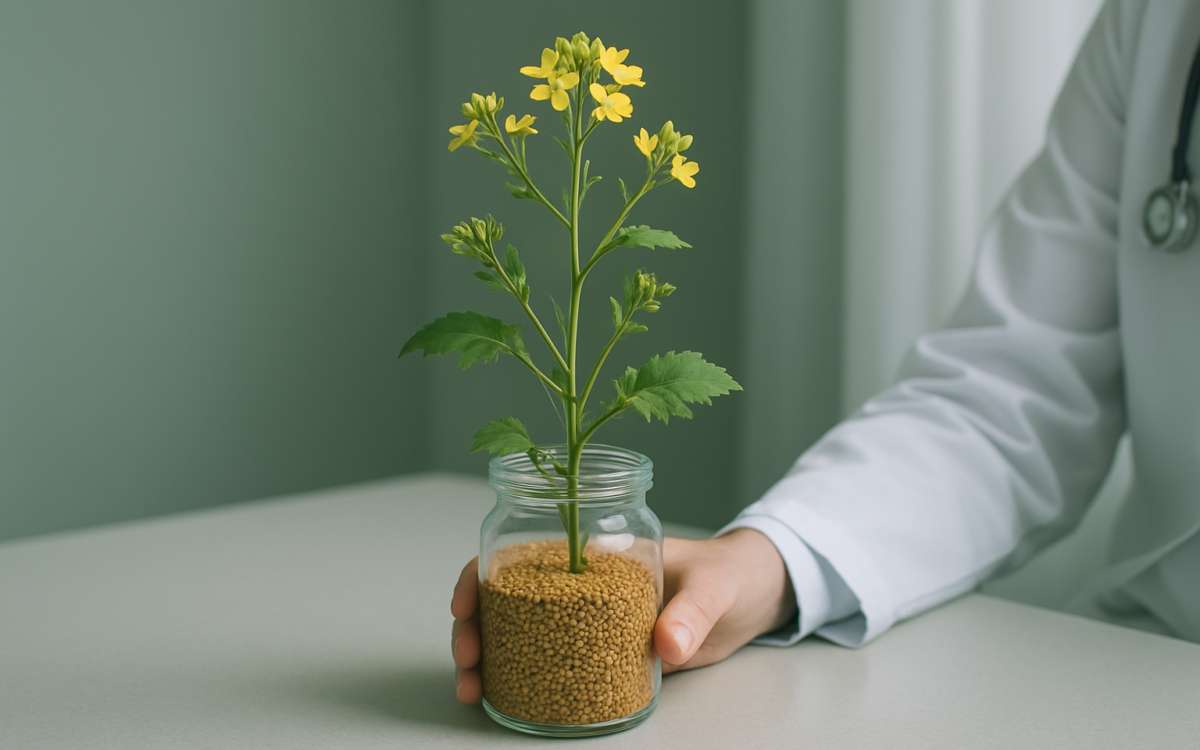
The mustard seed plant, known scientifically as Brassica, is a versatile and nutritious addition to various diets around the world. With a history that spans thousands of years, it is praised not just for its culinary uses but also for its health benefits. Whether used as a spice, a vegetable, or a health supplement, the mustard seed plant brings flavors and nutrients that can enhance meals and promote wellness.
What Is the Mustard Seed Plant?
The mustard seed plant belongs to the brassica family, which also includes broccoli, cabbage, and kale. The plant produces small round seeds that can be yellow, brown, or black, each variety offering a unique flavor profile. Mustard seeds are commonly ground into a powder, used whole in cooking, or pressed to create mustard oil. The leaves and flowers of the mustard plant are also edible and have been used in salads and other dishes.
Health Benefits of Mustard Seeds
Mustard seeds are not just flavorful; they also offer various health benefits:
- Rich in Nutrients: Mustard seeds contain protein, fiber, and essential vitamins such as A, C, and K. They also provide a good amount of minerals like calcium, magnesium, and iron.
- Antioxidant Properties: Mustard seeds contain antioxidants, which can help neutralize harmful free radicals in the body and reduce overall oxidative stress.
- Digestive Health: The high fiber content in mustard seeds can aid digestion, promote regular bowel movements, and enhance gut health.
- Anti-Inflammatory Effects: Some studies suggest that mustard seeds may help reduce inflammation, which is linked to numerous chronic diseases.
Culinary Uses of Mustard Seed
In the kitchen, mustard seeds are incredibly versatile:
- Spicing Up Dishes: Whole mustard seeds can be added to pickles, sauces, and marinades. They provide a crunchy texture and a burst of flavor.
- Mustard Oil: An essential ingredient in Indian cooking, mustard oil adds a distinct taste to curries and stir-fries.
- Mustard Paste: Ground mustard seeds mixed with vinegar or water create a zesty paste that can be used as a condiment, salad dressing, or cooking ingredient.
In addition to these uses, mustard greens, the young leaves of the mustard plant, can be steamed, sautéed, or used raw in salads for added nutrition.
Growing Mustard Seed Plants at Home
If you’re interested in cultivating mustard seed plants, they’re relatively easy to grow. Here are some tips:
- Choosing the Right Spot: Mustard plants thrive in well-drained soil with plenty of sunlight. Aim for a location where they can get at least 6 hours of sun daily.
- Planting: You can plant mustard seeds directly in the soil in spring or fall. Space them about 2 inches apart, sowing seeds at a depth of about half an inch.
- Watering: Keep the soil consistently moist but not waterlogged. Regular watering is essential during dry spells.
- Pest Control: Be vigilant about pests, such as aphids and caterpillars. You can manage them naturally by attracting beneficial insects or using organic pest control methods.
With the right care, mustard plants can grow rapidly and yield seeds in just 3 to 4 months.
Mustard Seed Plant in Traditional Medicine
Historically, mustard seeds have been used in traditional medicine across various cultures:
- Ancient Remedies: In ancient Indian and Roman cultures, mustard was often included in remedies for respiratory issues, digestion, and joint pain.
- Modern Uses: Some contemporary herbalists utilize mustard for its potential anti-inflammatory and diuretic properties.
While many people appreciate these traditional uses, it’s essential to approach herbal remedies with care and consult healthcare providers for appropriate guidance.
Safety and Considerations
Mustard seeds are generally safe for most people, but like any food or supplement, certain precautions apply:
- Allergies: Some individuals may be allergic to mustard seeds. Symptoms may include rash, itching, or gastrointestinal distress.
- Medication Interactions: The seed may interact with medications, especially blood thinners. Always consult a healthcare provider before starting new supplements.
Overall, it’s vital to maintain a balanced diet and seek professional advice if you have health concerns.
When to See a Doctor
If you experience any adverse reactions after consuming mustard products, such as allergic symptoms or digestive issues, it’s advisable to seek medical attention. Additionally, if you have underlying health conditions or are considering significant dietary changes, consulting with a healthcare provider is always wise.
For more detailed information on diet and nutrition, you may refer to authoritative sources such as the National Institutes of Health and the World Health Organization.
Conclusion
The mustard seed plant is more than just a kitchen staple; it’s a rich source of flavor and nutrition that has been valued for centuries. From its many health benefits to its culinary versatility, incorporating mustard seeds into your diet can be both delicious and healthy. Whether you grow your own plants or pick up a bottle of mustard from the store, you’re embracing a piece of history and a heap of health. Remember to consult a healthcare professional if you have any questions or concerns about using mustard in your diet.
