
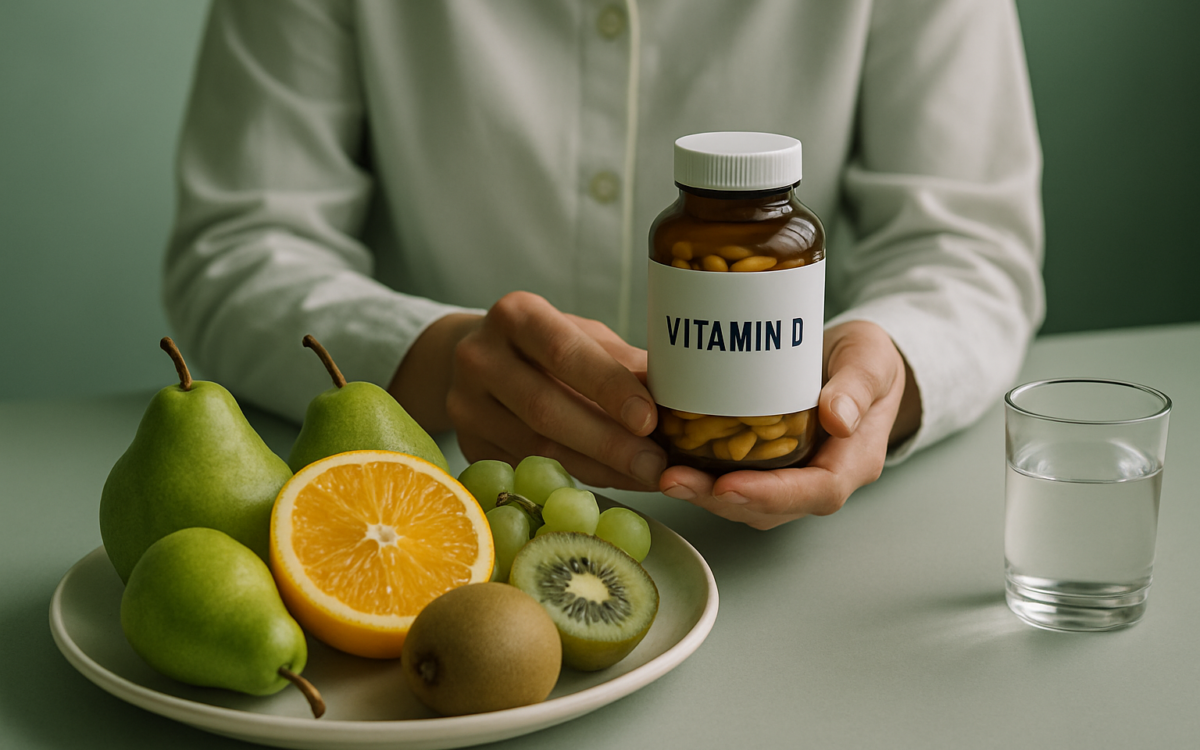
Vitamin D is essential for our overall health, playing a crucial role in bone strength, immune function, and even mood regulation. While we often think of sun exposure and fortified foods as primary sources of this vital nutrient, fruits can also contribute to our vitamin D intake in their own unique ways. In this article, we’ll explore the connection between fruits and vitamin D, emphasizing a balanced diet and the importance of obtaining this nutrient safely.
The Importance of Vitamin D
Vitamin D is a fat-soluble vitamin that helps our bodies absorb calcium and maintain proper bone structure. Moreover, it supports muscle function and the immune system, making it vital for overall health. A deficiency in vitamin D can lead to various health issues, including osteoporosis, increased risk of infections, and a higher likelihood of chronic diseases.
According to the National Institutes of Health (NIH), vitamin D can be obtained from several sources, including sunlight, food, and supplements. With limited sun exposure during certain seasons or for individuals who spend most of their time indoors, dietary sources become increasingly important.
Fruits: A Surprising Source of Vitamin D?
When we think of dietary sources of vitamin D, fruits may not typically come to mind. Most fruits do not naturally contain high levels of vitamin D. However, they can play an essential role in enhancing the body’s ability to utilize this nutrient effectively and maintaining overall health.
Some fruits, like orange juice, are fortified with vitamin D, which means that additional vitamin D is added during processing. This approach can provide a more substantial source, especially for those who do not consume dairy or other fortified foods. Additionally, fruits can contribute indirectly by providing essential nutrients that support vitamin D metabolism.
Which Fruits Are Fortified with Vitamin D?
When looking for fruits that can help boost your vitamin D intake, consider these options:
- Fortified Orange Juice: Many brands of orange juice contain added vitamin D, making it a tasty way to increase your intake.
- Fortified Apple Juice: Similar to orange juice, some apple juice varieties have added vitamin D.
- Dried Mushrooms: While not a fruit, dried mushrooms like shiitake may contain vitamin D when exposed to sunlight and can be used in various dishes.
Always check the nutrition labels to ensure that the products you choose are indeed fortified.
Nutrients in Fruits That Support Vitamin D Absorption
While fruits may not supply vitamin D directly, many varieties pack a nutritional punch that can aid the body’s overall function and nutrient absorption. Here’s how certain vitamins and minerals found in fruits can support vitamin D:
- Vitamin C: Found in citrus fruits, strawberries, and kiwi, vitamin C is essential for immune function and may help the body utilize vitamin D effectively.
- Magnesium: Important for vitamin D metabolism, magnesium can be found in fruits like bananas and avocados.
- Antioxidants: Many fruits, especially berries, contain antioxidants that reduce inflammation, supporting the body’s systems and indirectly promoting overall health.
Including a variety of fruits in your diet can enhance your nutrient intake and help your body better utilize the vitamin D it receives from other sources.
The Benefits of a Balanced Diet
While looking to fruits for vitamin D sources is essential, they should be part of a balanced diet that includes a variety of foods. In addition to fortified fruits, consider incorporating:
- Fatty Fish: Salmon, mackerel, and sardines are excellent sources of natural vitamin D.
- Dairy Products: Fortified milk and yogurt provide good sources of vitamin D.
- Eggs: Particularly the yolks, are a natural source of vitamin D.
- Fortified Cereals: Many breakfast cereals are fortified with vitamin D, making them an easy addition to your morning routine.
Combining these foods with fruits provides a well-rounded nutritional profile, ensuring you receive essential vitamins and minerals your body needs for optimal health.
Sun Exposure and Vitamin D Synthesis
The body’s primary source of vitamin D comes from sunlight, specifically UVB rays. When skin is exposed to sunlight, it synthesizes vitamin D, which is essential, particularly in the warmer months. However, factors such as skin tone, geographic location, and time spent outdoors can significantly impact vitamin D production.
For individuals who live in areas with limited sunlight or during winter months, dietary sources become even more crucial. In such cases, considering supplements becomes important, especially in consultation with a healthcare provider.
When to See a Doctor
If you suspect that you might be vitamin D deficient due to lack of sun exposure or dietary insufficiency, consult with your healthcare provider. They can guide you about the best ways to achieve adequate vitamin D levels through both dietary approaches and possible supplementation.
Conclusion
In summary, while fruits may not be a primary source of vitamin D on their own, they can contribute to a nutritious diet in various ways. Fortified options, along with their rich array of vitamins and minerals, create a beneficial partnership with vitamin D. Remember, a balanced diet, adequate sun exposure, and consultation with healthcare providers can help maintain healthy vitamin D levels, leading to better overall health.
