
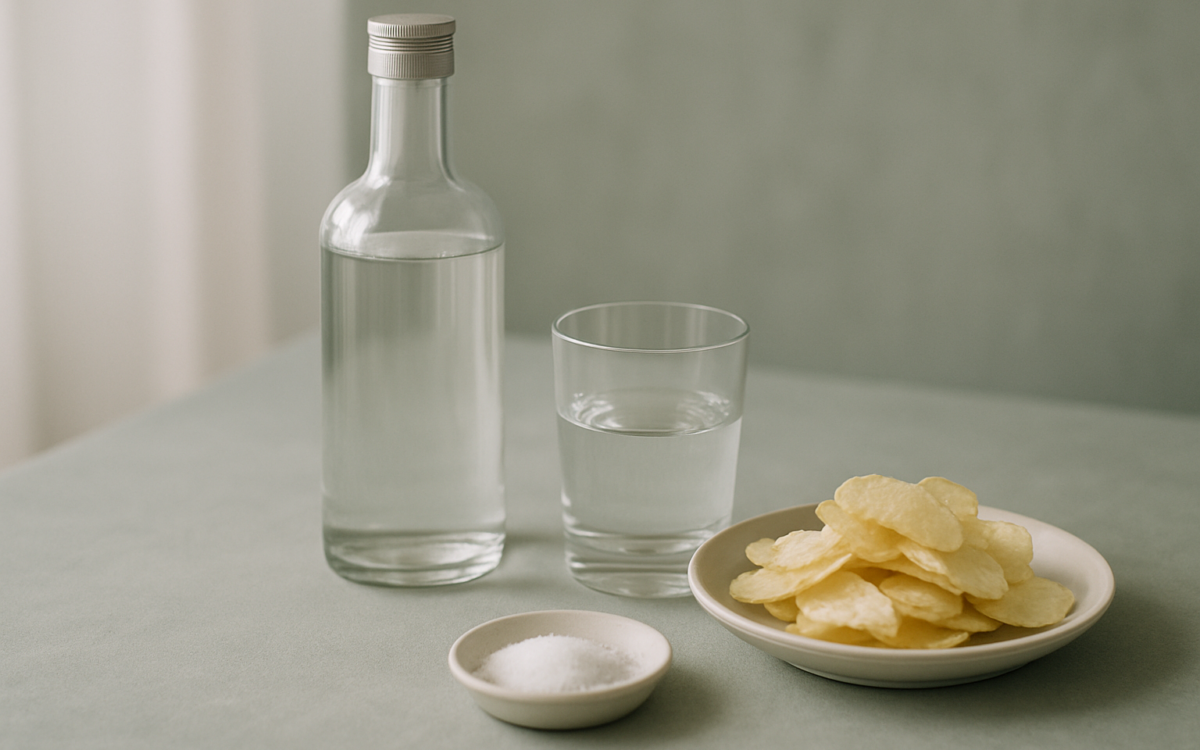
Vodka is a popular spirit enjoyed worldwide, served neat, mixed, or in cocktails. But if you’re watching your calorie intake, you might be wondering how it fits into your diet. Most people don’t think about the calories in their favorite drinks, but understanding vodka’s nutritional profile can help you make better choices. Let’s take a closer look at vodka calories, how they stack up against other spirits, and some tips on enjoying your favorite drink responsibly.
What are vodka calories?
Vodka is primarily made from fermented grains or potatoes, and its alcohol content is typically around 40% by volume. The calories in vodka come from the alcohol itself, as there are minimal carbohydrates, fats, or proteins in the drink. A standard 1.5-ounce (44ml) shot of vodka contains approximately 96 calories. To put that into perspective, here’s a breakdown of calorie content in common alcoholic beverages:
- Vodka (1.5 oz): ~96 calories
- Whiskey (1.5 oz): ~105 calories
- Rum (1.5 oz): ~97 calories
- Beer (12 oz): ~150 calories
- Wine (5 oz): ~120 calories
These numbers can vary based on the brand and type of vodka, as well as any mixers or additional ingredients used in a cocktail.
Why consider vodka calories?
When enjoying alcoholic beverages, it’s essential to be mindful of the calories they contribute to your overall diet. Consuming vodka in moderation can be part of a balanced lifestyle, but excessive alcohol intake can lead to weight gain and other health issues. According to the National Institutes of Health, alcohol can be high in empty calories, which means they provide energy but little to no nutritional benefits.
If you’re tracking your caloric intake for weight loss or other health goals, noting the calories in vodka and how they fit into your daily total can be advantageous. It may help you make informed choices, especially when dining out or enjoying social occasions.
The impact of mixers on vodka’s calorie count
When vodka is mixed into cocktails, the calorie content can increase significantly depending on the ingredients used. Here are some popular mixers and their calorie counts:
- Coca-Cola (12 oz): ~140 calories
- Orange juice (8 oz): ~112 calories
- Cranberry juice (8 oz): ~136 calories
- Soda water (12 oz): 0 calories
Combining vodka with high-calorie mixers can lead to a substantial increase in your caloric intake. For a lower-calorie cocktail, consider using soda water, fresh lemon juice, or other low-calorie mixers. This way, you can enjoy the flavor of your drink without consuming too many extra calories.
Calories and alcohol metabolism
When you consume alcohol, your body prioritizes metabolizing it over other nutrients. This means that when you drink vodka, your body will focus on processing the alcohol rather than burning fat or carbohydrates, which can impact your metabolism. Additionally, studies by the World Health Organization indicate that heavy drinking can lead to fat accumulation, particularly around the abdomen.
Understanding how alcohol metabolism works highlights the importance of moderation. If consumed excessively, vodka and other alcoholic beverages can contribute to weight gain and negatively affect overall health.
Moderation is key
Health organizations recommend moderate alcohol consumption, which means up to one drink per day for women and up to two drinks per day for men. These guidelines help minimize the risk of negative health effects while allowing for social enjoyment. Being mindful of both vodka calories and overall consumption can aid in maintaining a balanced lifestyle.
Remember, the way you choose to enjoy vodka makes a difference. Opting for lower-calorie mixers or sticking to neat vodka can help you enjoy the drink while reducing caloric intake.
When to see a doctor
If you find yourself struggling with alcohol consumption or notice negative impacts on your health from drinking, it may be time to consult a healthcare provider. They can provide guidance and resources on responsible drinking and help you develop healthier habits.
Conclusion
In summary, understanding the calories in vodka and how they fit into your lifestyle can contribute to healthier choices. By being aware of vodka’s caloric content and the potential impact of mixers, you can enjoy your favorite drinks while maintaining moderation. Always remember to listen to your body and consult a healthcare provider if you have concerns about alcohol consumption. Cheers to a healthy and balanced approach to enjoying vodka!
