
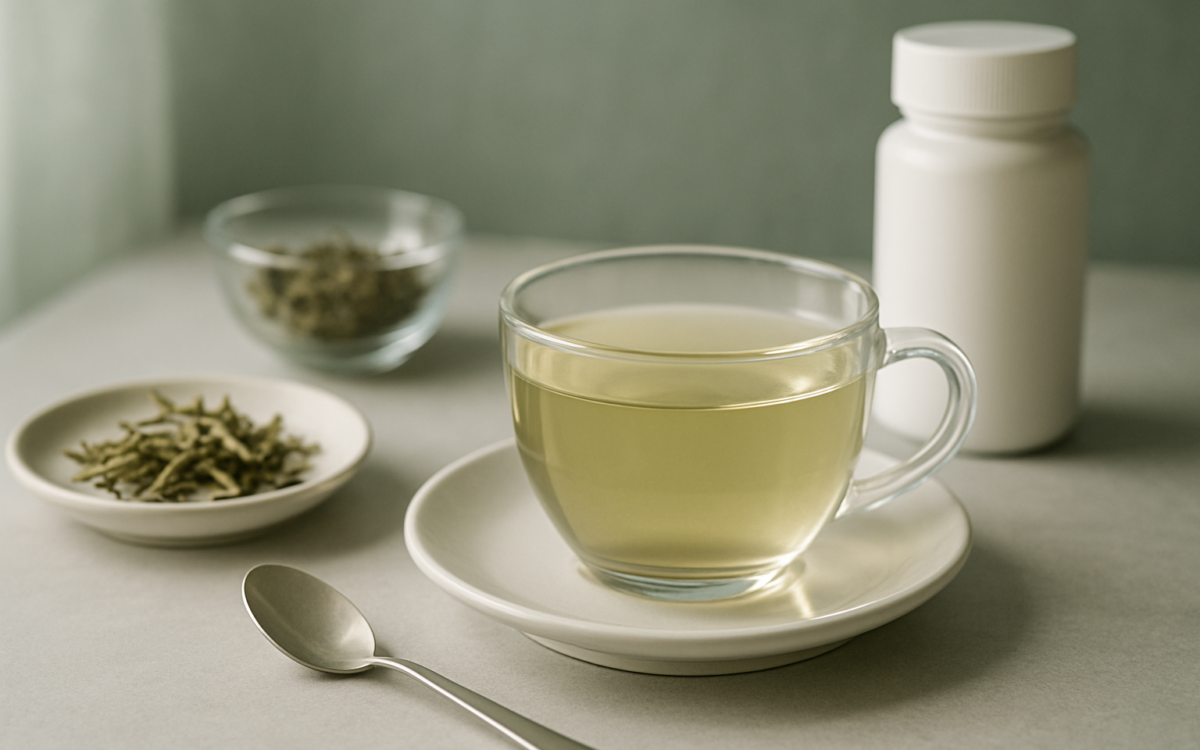
Tea is one of the most beloved beverages worldwide, with various types offering different flavors and health benefits. Among these, white tea is often celebrated for its delicate flavor and potential health perks. But what about its caffeine content? If you’re wondering, “Does white tea have caffeine?” you’re in the right place! Let’s dive into this intriguing topic.
What is white tea?
White tea is made from the young leaves and buds of the Camellia sinensis plant, the same plant that produces green, oolong, and black teas. What sets white tea apart is its minimal processing. The leaves are simply withered and dried, preserving their natural antioxidants and subtle flavors. This gentle method of production contributes to the tea’s light color and fragrant aroma.
Caffeine levels in white tea
When it comes to caffeine, white tea typically contains less than its more processed counterparts. On average, an 8-ounce cup of white tea has about 15-30 milligrams of caffeine. For comparison, green tea can contain 20-45 milligrams, while black tea generally has around 40-70 milligrams per cup. The exact amount of caffeine in white tea can vary based on factors such as the specific type of tea, how it’s processed, and the brewing time.
Factors affecting caffeine content
The caffeine content in white tea can be influenced by several factors:
- Type of white tea: Some varieties, like Silver Needle, might have higher caffeine levels than others, such as White Peony.
- Harvest season: Leaves picked in spring often contain more caffeine compared to those harvested later in the year.
- Brewing time and temperature: Brewing white tea with hotter water or for a longer period can extract more caffeine.
Comparing white tea with other teas
Understanding how white tea stacks up against other tea types can give you a clearer picture of its caffeine content:
White Tea vs. Green Tea
Green tea is often hailed for its numerous health benefits, much like white tea. While both types of tea contain antioxidants, white tea generally has a slightly lower caffeine content than green tea. If you’re looking for a milder caffeine option, white tea might be better suited for you.
White Tea vs. Black Tea
Black tea has the highest caffeine content among the three. If you enjoy the robust flavor of black tea but want to cut down on caffeine, switching to white tea can be a smart choice. This will help you enjoy your tea without as much stimulation.
Health benefits of white tea
White tea is not just about caffeine; it also offers numerous health benefits:
- Rich in antioxidants: White tea is known for its high levels of catechins and flavonoids, which help combat oxidative stress and inflammation in the body.
- Heart health: Studies suggest that the antioxidants found in white tea can help lower bad cholesterol (LDL) and support heart health (NIH).
- Skin health: The anti-inflammatory properties of white tea may help with skin health, reducing the risk of premature aging and sun damage.
- Weight management: Some research indicates that the catechins in white tea may aid in weight loss by boosting metabolism and fat oxidation.
How to enjoy white tea
If you decide to incorporate white tea into your routine, here are some tips:
- Brewing: Use water heated to about 160-185°F (70-85°C) for the best flavor without bitterness.
- Steeping time: Allow your white tea to steep for about 4-5 minutes to extract the flavors and benefits.
- Experiment: Try different varieties and blends to find the one that suits your palate best.
When to see a doctor
Most people can enjoy white tea without issues. However, if you experience unusual symptoms after consuming caffeine or tea, such as severe headaches, heart palpitations, or difficulty sleeping, it may be time to consult a healthcare professional.
Conclusion
In summary, white tea does contain caffeine, but in lower amounts compared to green and black teas. Its health benefits, coupled with its delicate flavor, make it a pleasant choice for tea lovers looking to reduce their caffeine intake. Whether you’re sipping a cup of white tea for its taste or its potential health advantages, there’s a lot to enjoy. Explore different varieties and brewing techniques to find your perfect cup!
