
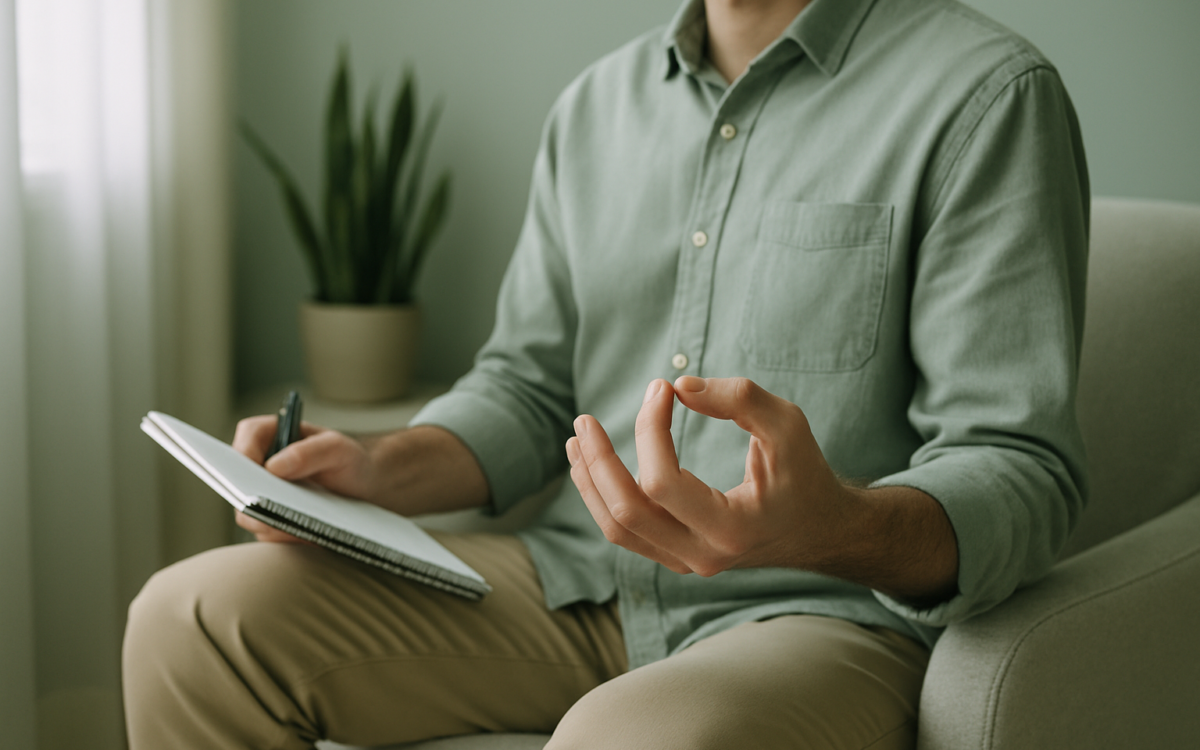
In today’s fast-paced world, stress can feel like an unavoidable part of daily life. Responsibilities at work, family obligations, and even economic concerns can weigh heavily on our minds and bodies. The good news is, there are numerous techniques available to help manage stress effectively. By adopting some of these methods, you can navigate life’s pressures more comfortably.
Understanding Stress
Before diving into specific techniques, it’s important to understand what stress is. Stress is your body’s natural response to challenges or demands, often referred to as a fight-or-flight reaction. While some stress can be positive—like the excitement of a new job or a first date—chronic stress can lead to serious health issues. According to the World Health Organization (WHO), long-term exposure to stress can affect physical and mental health profoundly.
Mindfulness and Meditation
Practicing mindfulness and meditation can help you become more aware of your thoughts and feelings, allowing you to respond to stressors with clarity rather than reactivity. Here are some effective practices:
- Breathing Exercises: Deep breathing focuses your mind and slows your heart rate. Try inhaling deeply through your nose for a count of four, holding for four, and exhaling for six.
- Guided Meditation: This involves following along with a recorded meditation that takes you through relaxation exercises. You can find many resources online, including apps.
- Body Scan: Lie down comfortably and mentally scan your body from head to toe, noticing areas of tension. This practice helps release physical stress.
Research suggests that practicing mindfulness regularly can reduce anxiety and improve emotional regulation. For more information, you can refer to studies from the National Institutes of Health (NIH).
Physical Activity
Exercise is a fantastic way to manage stress. Physical activity releases endorphins, chemicals in the brain that act as natural painkillers and mood elevators. Here are some great ways to incorporate movement into your routine:
- Walking: A daily walk, even for just 20-30 minutes, can significantly uplift your mood.
- Yoga: Combining physical postures with breathing techniques, yoga promotes relaxation and stress relief.
- Dancing: Enjoyable forms of exercise, like dancing, allow self-expression and can be an excellent emotional outlet.
According to the Centres for Disease Control and Prevention (CDC), regular physical activity can help reduce anxiety and improve cognitive function.
Healthy Lifestyle Choices
Sometimes, simple changes to your lifestyle can significantly impact your stress levels. Here are some ways to enhance your daily routine:
- Nutrition: Eating a balanced diet full of fruits, vegetables, whole grains, and lean proteins can improve your overall health and resilience against stress.
- Sleep: Aim for 7-9 hours of quality sleep each night. Lack of sleep can heighten stress and impact your mood negatively.
- Limit Stimulants: Reducing caffeine and nicotine intake can help you maintain better emotional stability.
Making these adjustments can lead to a more balanced lifestyle and lower stress levels.
Connecting with Others
Social support plays a crucial role in managing stress. Connecting with friends, family, or colleagues can help alleviate feelings of isolation and stress. Here are some strategies for fostering connections:
- Talk It Out: Sharing your feelings with someone you trust can provide relief and insights.
- Join a Group: Whether it’s a hobby group or a support group, communal activities foster connection and support.
- Volunteer: Helping others can provide a sense of purpose and improve your mood.
Building strong relationships not only provides emotional support during tough times but can also improve your overall health.
Coping Strategies and Time Management
Effective time management can also reduce stress levels significantly. Here are some practical strategies:
- Prioritize Tasks: Make a list of what needs to be done and prioritize tasks. Focus on completing one task at a time.
- Set Realistic Goals: Break larger tasks into achievable steps and set timelines for completing them.
- Take Breaks: Allow yourself short breaks to recharge, especially during intense work periods.
Identifying what’s causing your stress is also essential. Once you recognize the source of stress, you can develop specific strategies to cope with it better.
When to See a Doctor
If stress feels overwhelming and is impacting your daily life, it might be time to seek professional help. Consider consulting a doctor or mental health specialist if you experience:
- Persistent feelings of anxiety or sadness.
- Difficulty sleeping or changes in appetite.
- Physical symptoms like headaches or stomach problems without clear cause.
A healthcare provider can help determine the best treatment plan tailored to your needs.
In conclusion, managing stress is vital for your overall well-being, and implementing effective techniques can lead to a calmer, more fulfilling life. By practicing mindfulness, engaging in physical activity, making healthy lifestyle choices, fostering connections, and managing your time wisely, you can take significant steps toward reducing stress. Remember, it’s essential to consult with a healthcare professional if you are struggling, as they can guide you toward the appropriate resources for your journey.
