
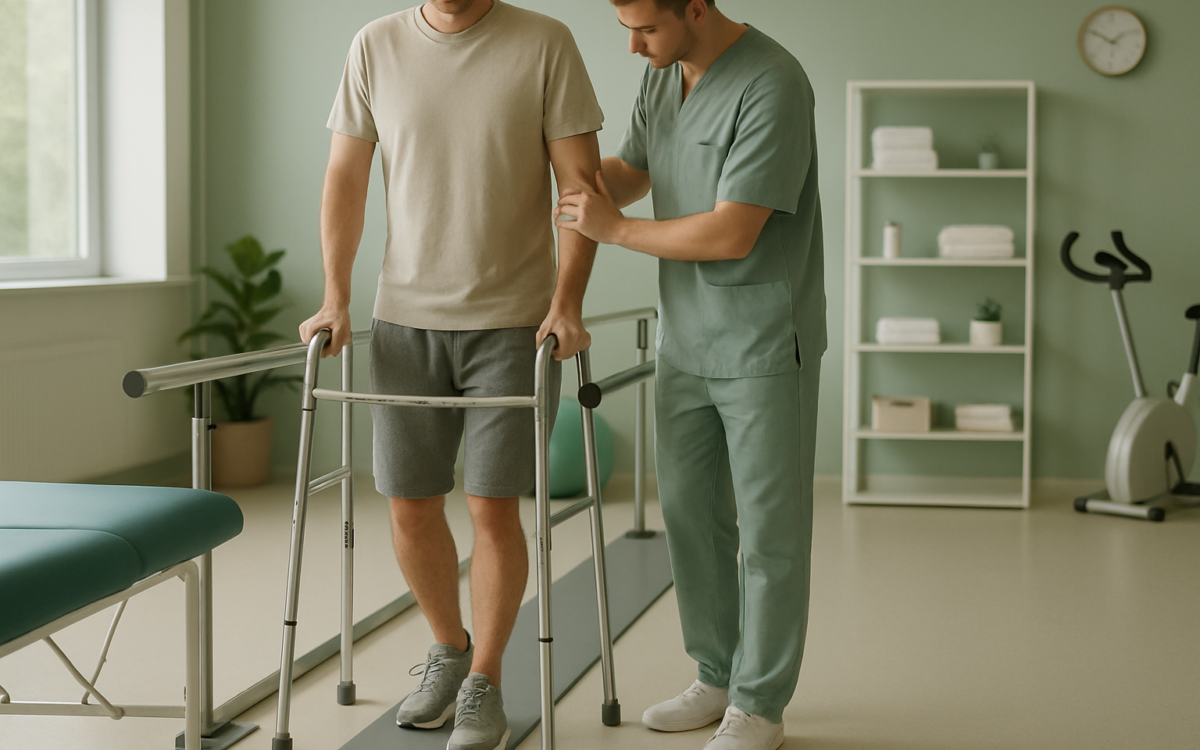
Rehabilitation centers play a crucial role in the paths to recovery for individuals facing various health challenges. Whether these involve addiction, physical rehabilitation, or mental health concerns, these facilities offer structured environments and specialized support. It’s a place where patients can regain their strength, find their footing, and take essential steps toward a healthier future.
What is a Rehabilitation Center?
A rehabilitation center is a facility designed to help people recover from physical or mental health issues. These centers provide supportive environments where patients engage in various therapies and treatments aimed at promoting healing.
Typically, rehabilitation centers specialize in specific areas, such as:
- Substance Use Recovery: Programs that assist individuals dealing with addiction.
- Physical Rehabilitation: Focused on recovery from injuries, surgeries, or chronic health conditions.
- Mental Health Treatment: Support for conditions like depression, anxiety, or trauma.
Types of Rehabilitation Centers
Understanding the different types of rehabilitation centers can help you make informed decisions about treatment options. Here are some common types:
Inpatient Rehabilitation Centers
Inpatient rehabilitation centers offer a structured environment where patients live on-site while undergoing treatment. This type of care is often necessary for individuals with severe addiction issues or those recovering from significant physical injuries. Patients benefit from 24/7 support from healthcare professionals and can fully immerse themselves in rehabilitation programs.
Outpatient Rehabilitation Centers
Outpatient rehabilitation centers allow patients to attend treatment during the day and return home in the evenings. This flexible option can be suitable for those who are working or have family obligations. Outpatient programs provide therapy and support while allowing individuals to maintain a sense of normalcy in their daily lives.
Partial Hospitalization Programs (PHP)
Partial hospitalization programs are a hybrid option that offers intensive treatment without the need for full-time residential care. Patients spend several hours each day at the center, receiving therapy and support, but return home at night. PHPs are often ideal for those needing structured care but who do not require 24/7 supervision.
The Rehabilitation Process
The rehabilitation process is highly individualized, as each person’s needs and situations are different. Generally, the rehabilitation journey can be broken down into several key steps:
Assessment
The first step in rehabilitation is a comprehensive assessment, where healthcare professionals evaluate the individual’s physical and mental health status. This assessment helps to determine the appropriate course of treatment and establish personalized goals.
Treatment Planning
With the assessment results, healthcare providers will create a tailored treatment plan. This plan may include various therapies, counseling, and activities designed to address the individual’s specific challenges and goals.
Therapeutic Interventions
Rehabilitation centers utilize a variety of therapeutic interventions, which could include:
- Physical Therapy: Helps improve mobility and strength.
- Occupational Therapy: Assists with daily living skills.
- Group Therapy: Facilitates peer support and shared experiences.
- Individual Counseling: Offers one-on-one support from a qualified therapist.
Benefits of Rehabilitation Centers
Participating in a rehabilitation program can offer numerous benefits, including:
- Specialized Care: Access to professionals trained in specific fields.
- Structured Environment: Supportive settings that facilitate focused treatment.
- Community Support: Connection with peers who share similar struggles.
- Improved Outcomes: Research shows that rehabilitation can enhance recovery rates and overall health.
What to Expect in a Rehabilitation Center
If you or a loved one is considering a stay at a rehabilitation center, it’s essential to know what to expect:
Initial Orientation
Upon arrival, patients typically go through an orientation process, where they learn about the facility’s rules, schedule, and available resources. This first step is crucial in helping them feel comfortable and prepared.
Daily Schedule
Patients often follow a structured daily routine that includes therapy sessions, meals, and recreational activities. This schedule helps patients stay engaged and motivated throughout their recovery.
Family Involvement
Many rehabilitation centers encourage family participation in the process. Family therapy sessions and educational programs can help loved ones understand the treatment and support the patient more effectively.
When to See a Doctor
If you or someone you know is struggling with addiction, mental health issues, or recovering from a physical injury and feels overwhelmed, it may be time to consult a healthcare provider. Signs that you may benefit from a rehabilitation center include:
- Inability to manage daily life tasks
- Increased dependence on substances
- Persistent feelings of hopelessness or anxiety
- Physical injuries that are not healing
Consulting a doctor can provide guidance on whether a rehabilitation center is the best option for you.
Conclusion
Rehabilitation centers offer invaluable support for individuals seeking to overcome challenges related to addiction, physical injuries, and mental health issues. By understanding what these centers provide and the treatment methods involved, you or your loved one can take informed steps toward recovery. Always consult with a healthcare professional before making any decisions about treatment options to ensure the best path forward for your health and well-being.
