
Protein is one of the essential building blocks of life. It plays a critical role in building muscles, repairing tissues, and creating enzymes and hormones. However, many people wonder: how much protein should I eat daily? In this article, we’ll break down the factors that influence your protein needs and provide some tips on how to meet them effectively.
What is protein and why is it important?
Protein is made up of smaller units called amino acids, which our bodies use to build and repair tissues. Unlike carbohydrates and fats, our bodies don’t store protein, so it’s important to consume enough through our diet. In addition to muscle health, protein supports immune function, hormone production, and overall cellular function.
Factors Influencing Protein Needs
Your daily protein requirements can vary widely depending on several factors:
- Age: As we get older, our protein needs can increase. Older adults may require more protein to help maintain muscle mass and strength.
- Activity Level: If you’re regularly exercising or engaging in physical labor, you may need more protein to support muscle recovery and growth.
- Health Goals: Your goals play a significant role in determining your protein needs. For instance, those trying to lose weight or build muscle may need a higher intake compared to those maintaining their weight.
- Body Weight: Generally, the more you weigh, the more protein you will need. This is often measured in grams per kilogram of body weight.
How Much Protein Do You Actually Need?
The Recommended Dietary Allowance (RDA) for protein is 46 grams per day for women and 56 grams per day for men, according to the U.S. Department of Agriculture. However, this is a baseline for sedentary adults. Your specific needs might be different based on the considerations mentioned earlier:
- For sedentary adults: 0.8 grams of protein per kilogram of body weight.
- For active adults: 1.2 to 2.0 grams of protein per kilogram, depending on the intensity of your physical activity.
- For those aiming to build muscle: 1.6 to 2.2 grams per kilogram is often recommended.
To calculate your protein needs, divide your weight in pounds by 2.2 to convert it to kilograms, then multiply by the appropriate factor based on your activity level. For example, a 150-pound adult who is moderately active would need about 82 to 136 grams of protein daily.
Food Sources of Protein
Meeting your daily protein needs can be accomplished through various food sources. Here are some options:
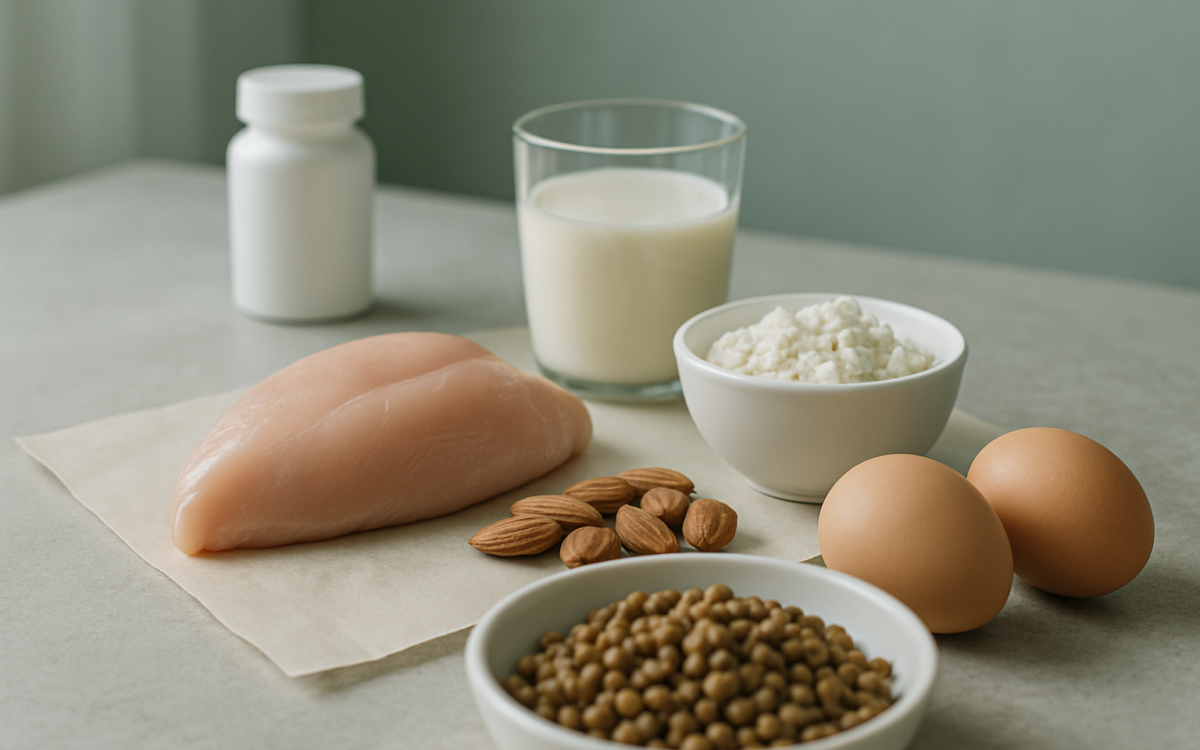
- Animal-based sources: Meat (chicken, turkey, beef, pork), fish, eggs, and dairy products (milk, cheese, yogurt).
- Plant-based sources: Lentils, beans, chickpeas, quinoa, nuts, seeds, and soy products (tofu, tempeh).
- Protein supplements: While whole foods are the best source of protein, protein powders can be used when needed, especially for those with higher protein demands.
It’s always best to aim for a balanced diet that includes a variety of foods to ensure you’re not just getting enough protein but also a wide range of vitamins and minerals.
Timing Your Protein Intake
When you consume protein can be just as important as how much you consume. Spreading your protein intake across meals can help optimize muscle synthesis and maintain a good balance throughout the day. Here are some tips:
- Include protein in every meal and snack, aiming for at least 20-30 grams per meal.
- Consider a protein-rich snack after workouts to help with recovery.
- Avoid going long periods without protein; aim to eat something containing protein every few hours.
Potential Risks of Too Much or Too Little Protein
While protein is essential, both low and high intakes can have health impacts:
- Too little protein: Insufficient protein can lead to muscle loss, weakened immunity, and energy depletion.
- Too much protein: Excessive protein may stress the kidneys and lead to dehydration. It can also result in higher levels of saturated fat and cholesterol if sourced from red meats.
Finding the right protein balance is crucial for your overall health and well-being.
When to See a Doctor
If you’re uncertain about your protein needs or experiencing symptoms like fatigue, muscle weakness, or changes in weight, it may be time to consult a healthcare provider. They can help assess your dietary habits and health status to provide personalized guidance.
Don’t hesitate to reach out if you have specific concerns about your diet or nutritional needs.
In summary, understanding how much protein you need daily is a vital step toward maintaining a healthy lifestyle. Consider your activity level, health goals, and overall diet as you aim to meet your protein requirements. Remember, it’s always a good idea to speak with a healthcare professional about your individual needs for the best advice tailored to you.
