
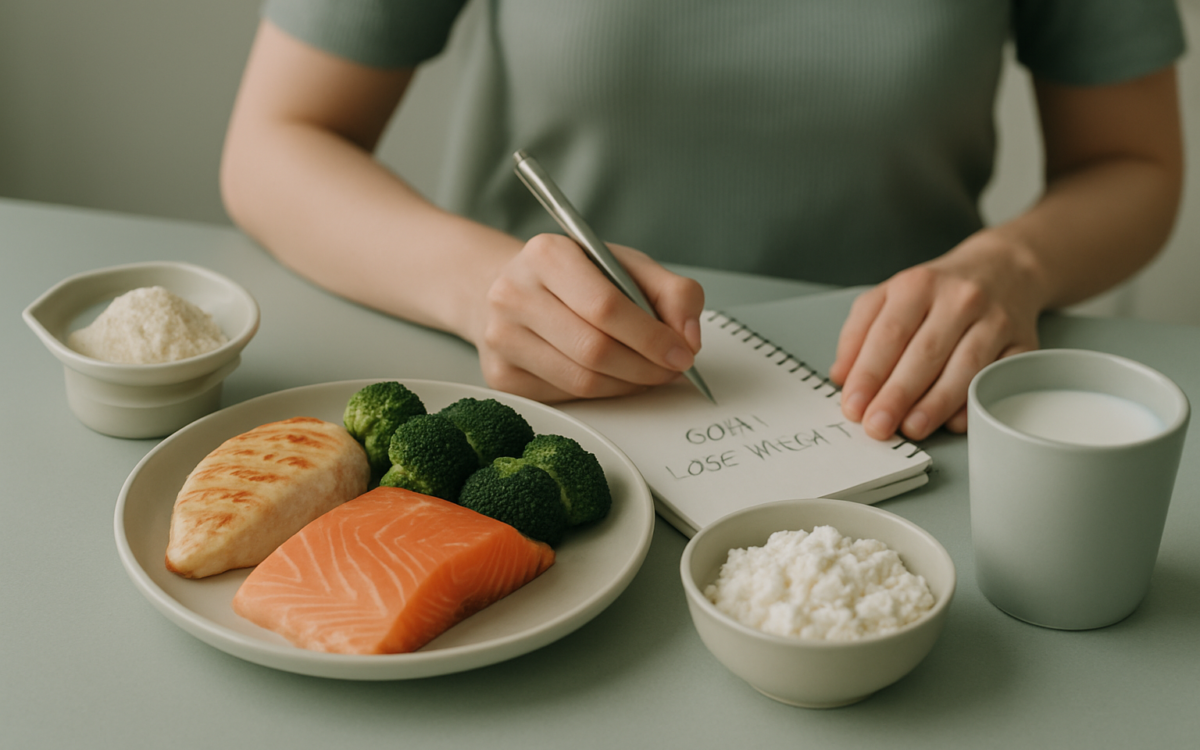
When it comes to weight loss, many people focus on cutting calories or fat, but protein plays a crucial role in your success. This vital nutrient not only helps with muscle repair and growth but also keeps you feeling full longer, which can reduce overall calorie intake. Understanding how much protein you need can be an essential part of creating a balanced weight loss plan.
What is Protein and Why is it Important?
Protein is one of the three macronutrients that our bodies require, alongside carbohydrates and fats. It is made up of amino acids, which are the building blocks of our cells, tissues, and organs. Here are some key reasons why protein is important, particularly for weight loss:
- Satiety: Protein-rich foods help keep you fuller for longer, reducing the likelihood of unhealthy snacking.
- Muscle Preservation: Adequate protein intake while losing weight helps maintain lean muscle mass, which is important for sustaining metabolic rate.
- Energy Balance: Protein has a higher thermic effect than fats and carbohydrates, meaning your body burns more calories digesting it.
How Much Protein Do You Need?
The amount of protein you need can vary based on several factors, including age, sex, activity level, and weight loss goals. A general guideline is to consume about 0.8 grams of protein per kilogram of body weight for sedentary adults. However, if you’re trying to lose weight or are more physically active, you may need more protein.
For effective weight loss, research suggests aiming for 1.2 to 2.0 grams of protein per kilogram of body weight. This range helps support muscle preservation and overall health during a calorie deficit. For instance, if you weigh 70 kilograms (about 154 pounds), your protein needs during weight loss could range from 84 to 140 grams per day.
Choosing the Right Protein Sources
Not all protein sources are created equal. It’s essential to choose quality sources to maximize the benefits for weight loss. Here are some excellent options:
- Lean Meats: Chicken, turkey, and lean cuts of beef or pork provide high-quality protein.
- Fish: Fish like salmon, tuna, and cod are not only high in protein but also provide important omega-3 fatty acids.
- Dairy: Low-fat options like Greek yogurt, cottage cheese, and milk can boost protein intake.
- Plant-Based Sources: Beans, lentils, tofu, quinoa, and nuts offer protein while being rich in fiber.
Incorporating Protein into Your Diet
Incorporating sufficient protein into your daily meals can be easier than you might think. Here are some practical tips:
- Start Your Day with Protein: Opt for eggs, Greek yogurt, or a protein smoothie for breakfast.
- Snack Smart: Choose protein-rich snacks like nuts, cheese, or hummus with veggies instead of chips or sweets.
- Plan Your Meals: Focus on a balance of protein, vegetables, and healthy fats in your lunch and dinner.
Can Too Much Protein Be Harmful?
While protein is an important part of a healthy diet, it is possible to consume too much. Excessive protein intake can place a strain on your kidneys, especially for those with preexisting conditions. A well-balanced diet with a variety of nutrients is crucial for long-term health. Always ensure that you are not sacrificing other essential nutrients by focusing solely on protein.
Staying Hydrated and Monitoring Your Intake
Proper hydration is essential, especially when increasing your protein intake, as your body requires fluids to process protein efficiently. Additionally, keeping track of your protein intake can help you stay on target and make necessary adjustments. Apps and food journals can be beneficial for monitoring what you eat and ensuring a balanced diet.
When to See a Doctor
Before making significant changes to your diet or if you have questions about your protein needs, it’s wise to consult your healthcare provider. If you experience unusual symptoms, such as digestive issues or fatigue, it’s also a good idea to seek medical advice.
Conclusion
Understanding how much protein you need to lose weight is a key factor in achieving your goals while maintaining overall health. By focusing on quality protein sources and adhering to recommended intake levels, you can enhance your weight loss efforts, feel satisfied, and maintain muscle mass. Remember that consulting with a healthcare professional can help tailor your dietary needs to find a plan that suits you best. For more information on nutrition and protein, consider visiting resources such as the National Institutes of Health and the World Health Organization.
