
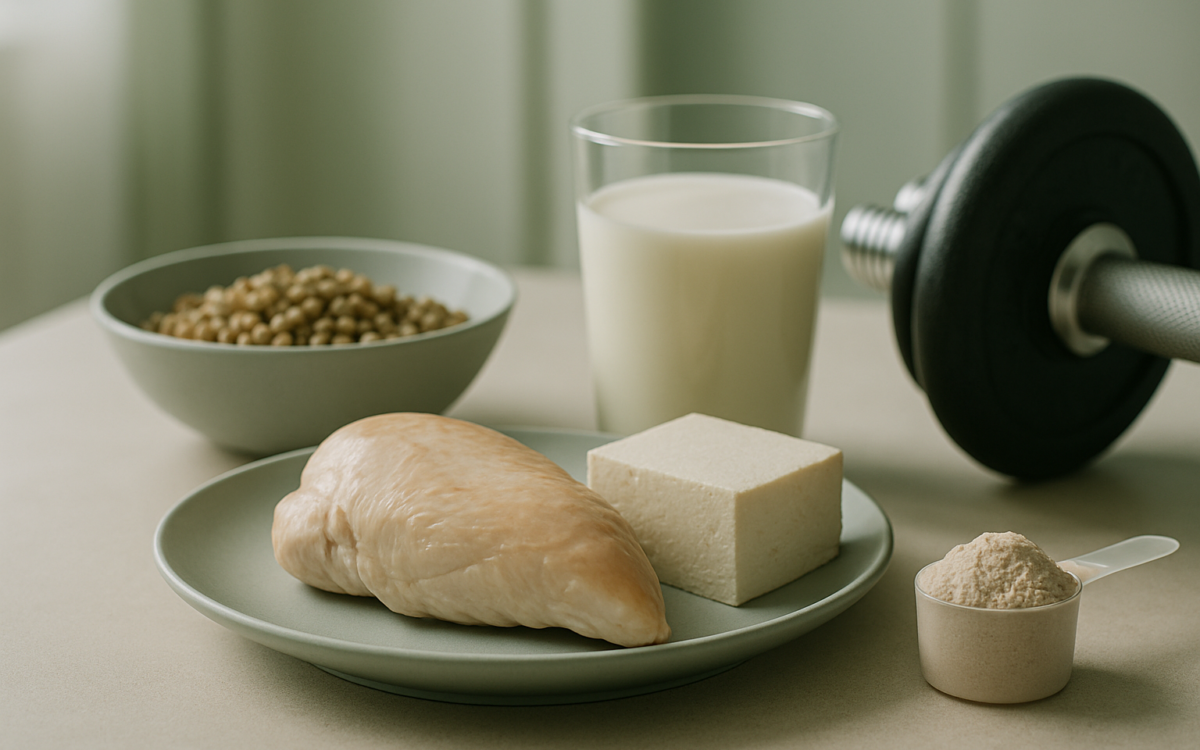
Whether you’re a seasoned athlete or just starting your fitness journey, understanding how much protein you need to build muscle is crucial. Protein plays a vital role in muscle repair and growth, so getting the right amount can make a significant difference in your results. But how do you know how much protein you really need each day? Let’s explore the components of an effective protein intake strategy.
Understanding Protein’s Role in Muscle Building
Protein is one of the three main macronutrients that our body needs, along with carbohydrates and fats. It is essential for building and repairing tissues, including muscles. When you engage in strength training or any intense exercise, your muscle fibers create small tears. Protein helps repair these tears, allowing muscles to grow stronger. This process, known as muscle protein synthesis, is what leads to muscle growth over time.
How Much Protein Do You Need?
The general recommendation for protein intake varies depending on several factors, including your age, sex, level of physical activity, and fitness goals. For those looking to build muscle, experts suggest the following:
- For most people, a daily protein intake of 0.8 grams per kilogram of body weight is sufficient for basic health.
- Individuals engaging in regular exercise or strength training should aim for 1.2 to 2.0 grams per kilogram of body weight per day. This range can help support muscle growth and recovery.
For example, if you weigh 70 kilograms (about 154 pounds), you would ideally consume between 84 to 140 grams of protein daily. This can vary based on the intensity and frequency of your workouts.
Tracking Your Protein Sources
Understanding where your protein is coming from can help ensure you’re meeting your daily goals. Protein can be found in a variety of foods, both animal-based and plant-based:
Animal Sources
- Lean meats, like chicken, turkey, and beef
- Fish, such as salmon and tuna
- Eggs
- Dairy products, including milk, yogurt, and cheese
Plant-Based Sources
- Legumes, like beans and lentils
- Nuts and seeds
- Whole grains, such as quinoa and brown rice
- Tofu and tempeh
A well-balanced diet incorporating a mix of these sources can help you easily meet your protein targets.
Timing Your Protein Intake
The timing of your protein consumption can also play a role in its effectiveness for muscle building. Research suggests that consuming protein evenly throughout the day may be more beneficial than having a large amount all at once. Here are some tips for timing your intake:
- Distribute your protein consumption across all meals. Aim for around 20 to 30 grams of protein per meal.
- Try to consume protein-rich foods shortly after your workouts, as this may optimize muscle protein synthesis.
- Consider protein snacks between meals to help keep your intake consistent.
Listening to Your Body
As you work towards increasing your protein intake, pay attention to how your body responds. Everyone’s nutritional needs can vary widely based on genetics, metabolism, and activity level. Consider the following:
- How do you feel after workouts? Are you recovering quickly or feeling fatigued?
- Are you experiencing consistent muscle soreness? This may indicate a need for more protein or changes in your workout routine.
- Do you notice changes in your weight or muscle mass? Adjusting your protein intake can be an essential factor in this progress.
When to See a Doctor
If you’re unsure about how much protein you should be consuming or if you’re experiencing persistent fatigue or muscle soreness, it may be time to consult a healthcare professional. They can provide personalized guidance based on your health history and individual needs. For more information on nutrition, the National Institutes of Health offers a variety of resources.
Conclusion
Finding the right amount of protein for muscle building is a personal journey. By understanding your body’s unique needs and how protein plays an integral role in your fitness, you can optimize your nutrition strategy. Remember to listen to your body, track your sources, and consult a healthcare professional when needed. Building muscle is a marathon, not a sprint; focus on your journey and the results will follow.
