
If you’re feeling bloated or uncomfortable due to constipation, you’re not alone. This common digestive issue affects many people at some point in their lives. While there are various remedies available, one natural approach gaining popularity is yoga. The gentle stretches and movements involved in yoga can stimulate the digestive system, promote relaxation, and provide relief. In this article, we will explore specific yoga poses that can help ease constipation and enhance overall digestive health.
Understanding Constipation
Constipation occurs when you have infrequent bowel movements or difficulty passing stool. This can lead to discomfort, bloating, and even abdominal pain. Common causes of constipation include a low-fiber diet, dehydration, lack of physical activity, and certain medications. Making dietary adjustments and increasing physical activity, including yoga, can be effective strategies for relief.
How Yoga Helps with Digestion
Yoga is not just about improving flexibility and strength; it’s also about promoting overall well-being, including digestive health. Various yoga poses can stimulate the gastrointestinal (GI) tract, helping to alleviate constipation. The benefits of practicing yoga for digestion include:
- Increased Blood Flow: Certain poses improve circulation to the digestive organs, enhancing their function.
- Abdominal Massage: Many poses help massage the abdominal organs, promoting movement in the intestines.
- Relaxation: Stress and anxiety can worsen constipation. Yoga encourages relaxation and mindfulness, which can support digestive health.
Top Yoga Poses for Constipation Relief
Here are some effective yoga poses specifically designed to alleviate constipation:
1. Cat-Cow Stretch
This gentle warm-up helps to mobilize the spine and stimulates the digestive organs.
- Start on your hands and knees in a tabletop position.
- As you inhale, arch your back (Cow Pose), lifting your head and tailbone towards the sky.
- As you exhale, round your spine (Cat Pose) and tuck your chin towards your chest.
- Repeat for 5-10 breaths, focusing on your breath and the movement of your spine.
2. Seated Forward Bend (Paschimottanasana)
This pose not only stretches the back and hamstrings but also stimulates the digestive system.
- Sit on the floor with your legs extended in front of you.
- Inhale and lengthen your spine, then exhale as you hinge at your hips to reach for your feet.
- Hold the position for 10-30 seconds, breathing deeply as you relax into the stretch.
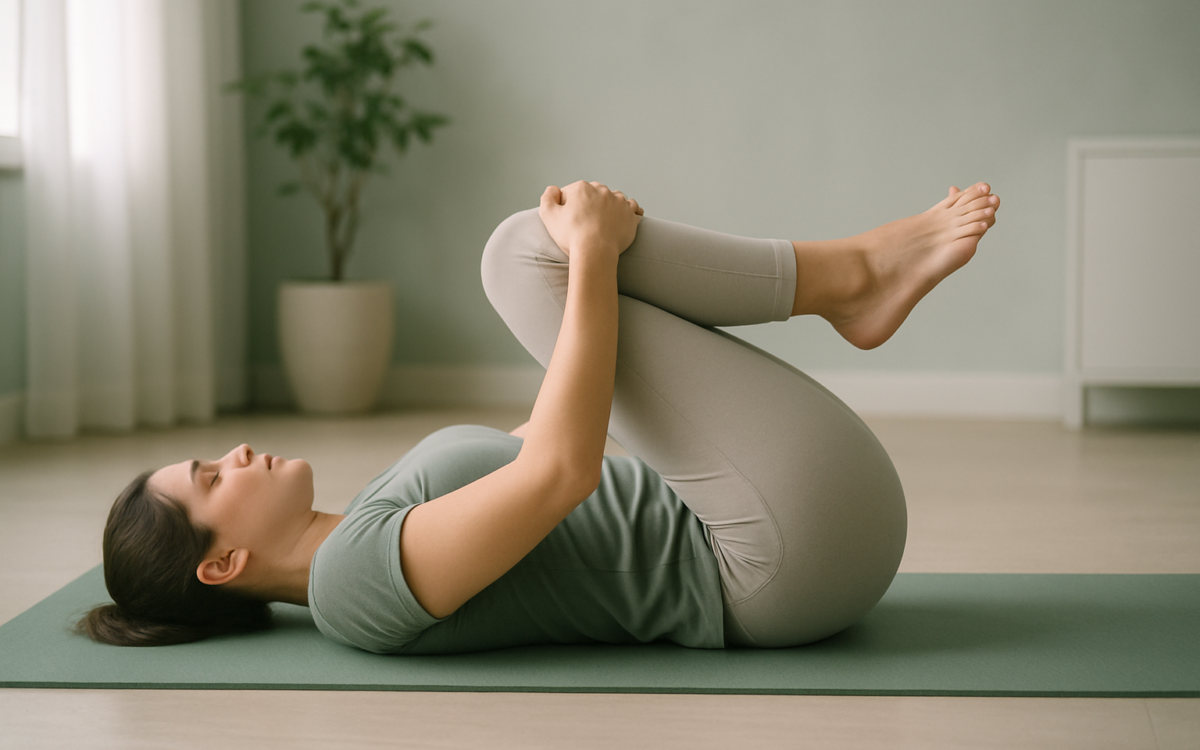
3. Wind-Relieving Pose (Pavanmuktasana)
This pose is specifically designed to relieve gas and improve digestive flow.
- Lie on your back with your legs extended.
- Draw one knee towards your chest, hugging it tightly with both hands.
- Hold for 20-30 seconds, then switch legs. You can also bring both knees to your chest for an added stretch.
4. Supine Twist (Supta Matsyendrasana)
Twists help massage the intestines and improve digestion.
- Start lying on your back with your arms out to the sides.
- Bring your knees to your chest, then lower them to one side, keeping your shoulders on the ground.
- Turn your head to the opposite side for a gentle neck stretch. Hold for 20-30 seconds, then switch sides.
5. Child’s Pose (Balasana)
This resting pose helps calm the mind and body while gently stretching the hips and back.
- Begin on your hands and knees, then sit back on your heels.
- Stretch your arms forward, resting your forehead on the mat.
- Take deep breaths and hold for 30-60 seconds, focusing on relaxing your belly.
Incorporating Breathing Techniques
Along with yoga poses, incorporating specific breathing techniques can enhance the experience and aid digestion. Try Diaphragmatic Breathing:
- Lie on your back or sit comfortably.
- Place one hand on your belly and the other on your chest.
- Take a deep breath in through your nose, allowing your belly to rise.
- Exhale slowly through your mouth, letting your belly fall.
Practice this breathing for 5-10 minutes during your yoga session to promote relaxation and stimulate digestion.
Additional Tips for Digestive Health
To further support your digestive system, consider the following lifestyle habits:
- Stay Hydrated: Drink plenty of water to help soften stool.
- Eat a Fiber-Rich Diet: Incorporate fruits, vegetables, whole grains, and legumes into your meals.
- Stay Active: Regular physical activity can promote healthy digestion.
When to See a Doctor
If you experience chronic constipation, it may be time to consult your healthcare provider. Signs that you should seek medical advice include:
- Constipation lasting longer than three weeks
- Severe abdominal pain
- Unintended weight loss
- Blood in your stool
For further information, the Mayo Clinic provides an overview of constipation and associated symptoms.
Conclusion
Practicing yoga can be a gentle yet effective way to combat constipation and improve digestive health. The combination of specific poses and mindful breathing can stimulate your body’s natural processes, offering relief from discomfort. By incorporating these poses into your routine, along with maintaining a healthy lifestyle, you may find improved digestion and overall well-being. Remember to listen to your body and consult a healthcare professional if you have persistent concerns about your digestive health.
