
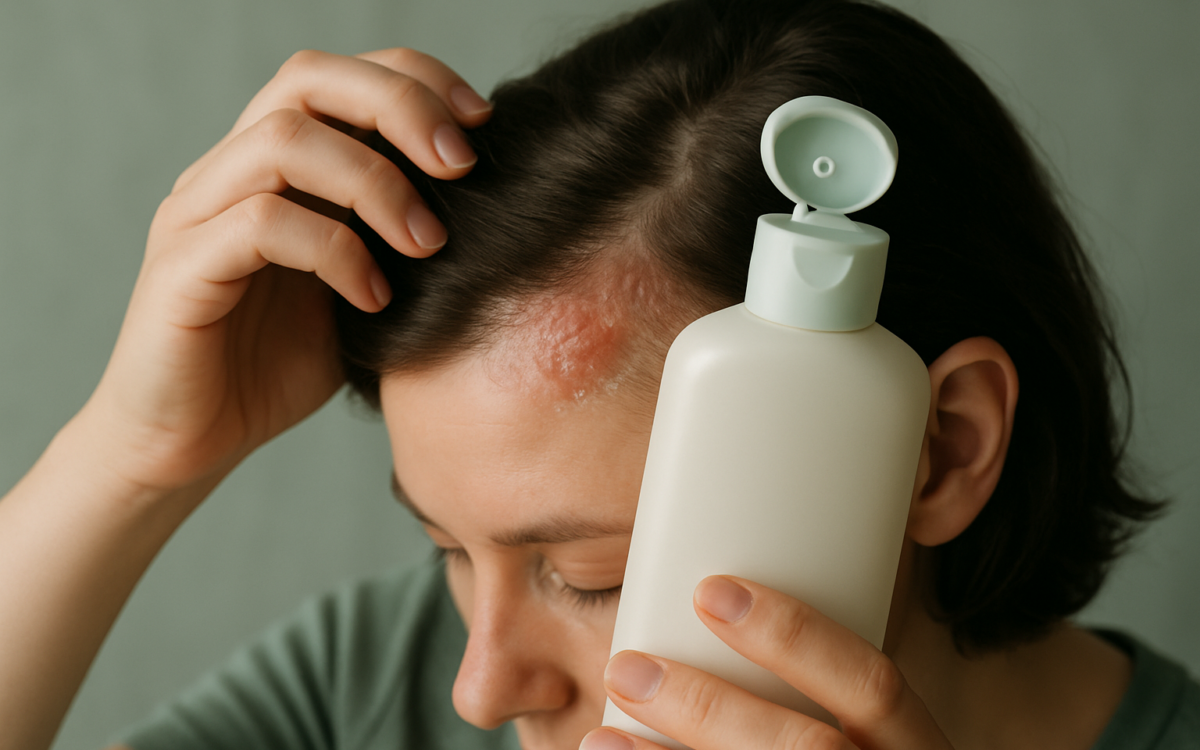
Seborrheic dermatitis is a common skin condition that affects many individuals, often leading to uncomfortable symptoms like itching and flaking. Affected areas might include the scalp, face, and other oily regions of the body. One effective way to manage this condition is through the use of antifungal shampoos, which can help reduce the buildup of yeast and soothe irritation.
Understanding Seborrheic Dermatitis
Before diving into the specifics of antifungal shampoos, it is vital to understand what seborrheic dermatitis is and how it manifests. This condition results from an overgrowth of a type of yeast called Malassezia, which naturally resides on our skin. Factors such as stress, hormonal changes, and certain medications can trigger or worsen symptoms.
Common symptoms of seborrheic dermatitis include:
- Dandruff or flaky skin on the scalp
- Red, scaly patches, particularly in oily areas
- Itching and discomfort
How Antifungal Shampoos Work
Antifungal shampoos are designed to combat fungal infections and are particularly effective against the Malassezia yeast that contributes to seborrheic dermatitis. They contain active ingredients such as ketoconazole, selenium sulfide, and zinc pyrithione, which work in different ways to reduce yeast growth and alleviate inflammation.
Active Ingredients
Here’s a quick look at some common active ingredients found in antifungal shampoos:
- Ketoconazole: A potent antifungal that not only reduces Malassezia but also decreases inflammation, making it an excellent choice for managing scalp symptoms.
- Selenium sulfide: This reduces scaling and itching by slowing down the production of skin cells, which can also help alleviate flaking.
- Zinc pyrithione: Known for its antibacterial and antifungal properties, this ingredient helps to soothe irritation and ease symptoms.
Choosing the Right Antifungal Shampoo
When selecting an antifungal shampoo, it’s essential to consider your specific symptoms and skin type. The effectiveness of a shampoo can vary based on individual responses, so you might need to try a few different options before finding the one that works best for you.
As you embark on this journey, keep the following in mind:
- Look for products specifically labeled for seborrheic dermatitis.
- Consider the concentration of antifungal agents; stronger formulations might be necessary for more severe cases.
- Note any other ingredients that may be beneficial, like moisturizing agents, to prevent dryness.
Using Antifungal Shampoos Effectively
To see the best results, it’s important to use antifungal shampoos as directed. Typically, you’ll want to:
- Apply the shampoo to dry hair before wetting it to enhance effectiveness.
- Massage it into the scalp gently and let it sit for usually about 5-10 minutes.
- Rinse well and repeat as necessary, based on your symptoms.
Establishing a routine can help, as consistent use might yield better long-term outcomes. Some individuals find that using the shampoo a couple of times a week suffices, while others might require daily use, especially during flare-ups.
Exploring Treatment Options Beyond Shampoos
While antifungal shampoos can provide significant relief, they may not be a standalone treatment for everyone. In cases where symptoms persist, additional treatments such as topical corticosteroids or prescription medications might be necessary. It’s always wise to tailor your treatment plan in consultation with your healthcare provider.
If you’re considering international options for your treatment, there are reputable clinics abroad that offer comprehensive care. For example, seeking treatment in Turkey may give you access to advanced healthcare solutions in a stress-free environment.
Potential Side Effects
While antifungal shampoos can be effective, they aren’t without potential side effects. Some individuals may experience:
- Irritation or burning sensation on the scalp
- Dryness or flaking skin
- A change in hair texture or color
If you notice any of these effects, consult your healthcare provider who might recommend a different product or an alternative treatment approach.
When to See a Doctor
If you’ve tried antifungal shampoos without significant relief or if your symptoms worsen despite treatment, it’s essential to consult a healthcare provider. They may recommend a more thorough evaluation to rule out other skin conditions that could mimic seborrheic dermatitis, such as psoriasis or eczema.
Conclusion
Antifungal shampoos can be an effective part of managing seborrheic dermatitis by targeting the root cause of its symptoms—an overgrowth of yeast. With the right product and consistent use, many individuals find considerable relief from itching and flaking. Always remember that if you have persistent or severe symptoms, seeking professional advice is paramount for tailored treatment.
