
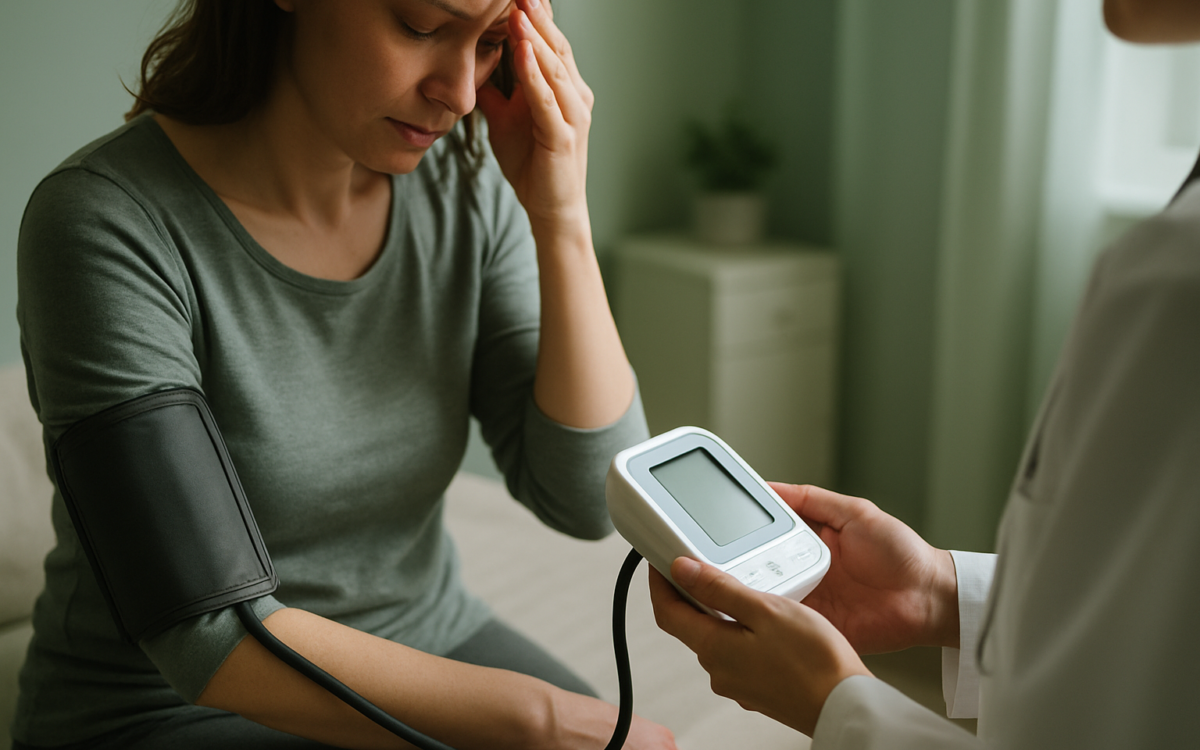
Many people experience dizziness at some point in their lives, but when it happens frequently, it can be concerning. One of the lesser-known triggers for dizziness is high blood pressure. This article will explore the relationship between hypertension and dizziness, including how they are connected and what you can do if you frequently feel lightheaded.
What is high blood pressure?
High blood pressure, or hypertension, is a common condition that affects millions of people worldwide. It’s defined as a persistent elevation in blood pressure, typically above 130/80 mmHg. When your heart pumps blood, it exerts pressure on the walls of your arteries. If this pressure remains consistently high, it can lead to various health problems, including heart disease and stroke.
How can high blood pressure cause dizziness?
Dizziness can be a symptom of high blood pressure in several ways:
- Reduced blood flow: When blood vessels constrict, which is common in people with high blood pressure, blood flow to the brain may be inadequate, leading to feelings of lightheadedness or faintness.
- Medications: Certain medications used to treat high blood pressure, such as diuretics or beta-blockers, can also cause dizziness as a side effect.
- Postural changes: People with hypertension may experience a sudden drop in blood pressure when standing up quickly (orthostatic hypotension), resulting in dizziness.
Recognizing the symptoms
While dizziness can be caused by various factors, it’s essential to recognize its connection to high blood pressure. Symptoms of dizziness can include:
- Feeling faint or lightheaded
- Loss of balance
- Feeling weak or unsteady
- Temporary disorientation
If you notice dizziness along with other symptoms such as headaches, shortness of breath, or chest pain, it’s crucial to seek medical attention promptly.
The importance of blood pressure management
Managing high blood pressure effectively can significantly reduce the risk of dizziness and other complications. Some successful management strategies include:
- Diet: Adopting a heart-healthy diet, such as the DASH (Dietary Approaches to Stop Hypertension) diet, can help lower blood pressure. This includes eating plenty of fruits, vegetables, whole grains, and lean proteins while reducing sodium intake.
- Exercise: Regular physical activity can help maintain a healthy weight and lower blood pressure. Aim for at least 150 minutes of moderate exercise per week.
- Medication: If lifestyle changes aren’t enough, your doctor may prescribe medication to help manage your blood pressure.
International patients seeking treatment options for high blood pressure may find programs through international patient services that offer specialized care tailored to individual health needs.
When to be concerned about dizziness
While occasional dizziness may not be alarming, certain situations require immediate medical attention. Seek help if you experience:
- Dizziness lasting longer than a few minutes
- Severe headaches or vision changes
- A sudden increase in blood pressure readings
- Heart palpitations or chest pain
These could be signs of more severe health issues, including a potential stroke or heart attack. Always err on the side of caution.
Conclusion
Understanding the connection between high blood pressure and dizziness is essential for effective management of both your blood pressure and overall health. If you frequently experience feelings of lightheadedness or dizziness, consider discussing it with your doctor. Together, you can explore the underlying causes and create a plan that works for you to keep both your blood pressure and symptoms in check.
