
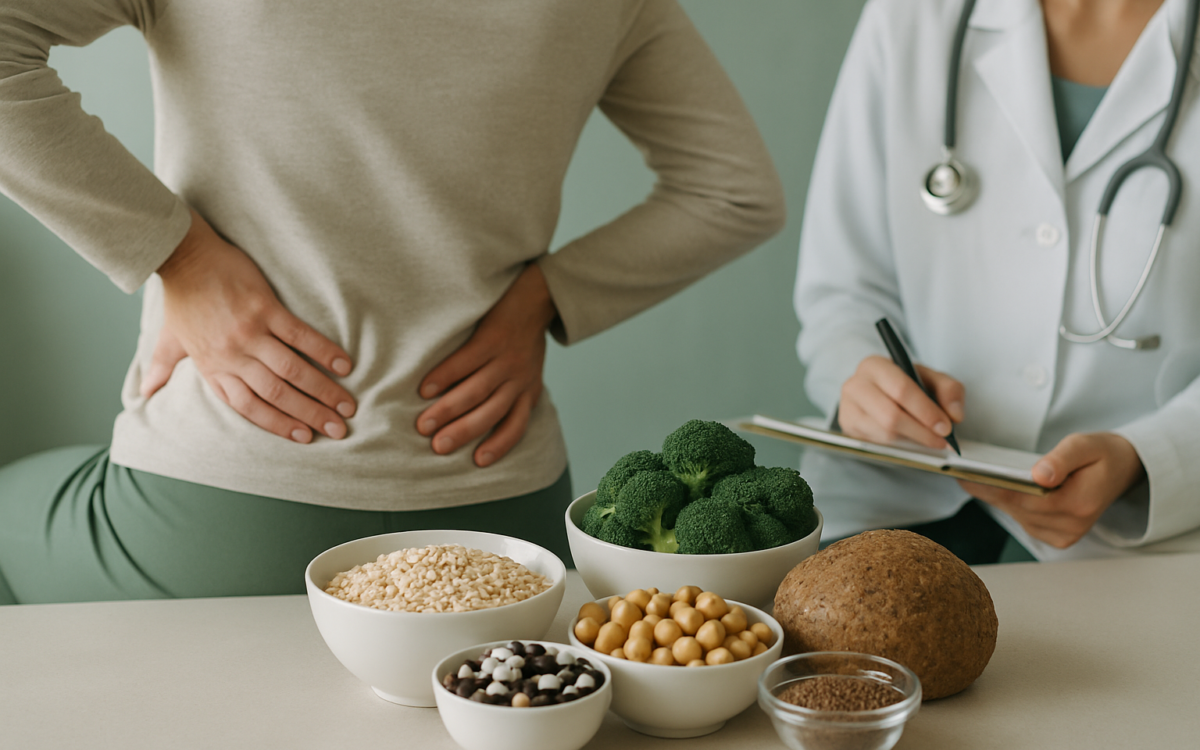
Dealing with anal fissures can be painful and uncomfortable, leading many to search for ways to find relief and promote healing. One effective way to support the healing process is by incorporating more high fiber foods into your diet. Understanding how fiber works in the body will shed light on its important role in preventing fissures and aiding recovery.
What Are Anal Fissures?
Anal fissures are small tears in the lining of the anus, often caused by passing hard stools. This common issue can result in significant pain, bleeding, and even fear of bowel movements. As a result, individuals with anal fissures often find themselves in a cycle of constipation, which can exacerbate the problem. Thankfully, dietary changes, particularly increasing fiber intake, can make a significant difference.
How Fiber Works in the Digestive System
Fiber is a type of carbohydrate that the body cannot digest. Instead of being broken down into sugar molecules, it passes through the intestines relatively intact. This process is crucial for maintaining a healthy digestive system. There are two main types of fiber:
- Soluble Fiber: This type dissolves in water and helps to form a gel-like substance in the gut, slowing digestion and allowing for better nutrient absorption. Common sources include oats, fruits, and legumes.
- Insoluble Fiber: This type does not dissolve in water and adds bulk to the stool, helping it pass more easily through the digestive tract. Whole grains, vegetables, and nuts are rich in insoluble fiber.
Both types of fiber play a role in preventing constipation, which is key in avoiding anal fissures. When your stool is soft and regular, the risk of creating new tears is significantly reduced.
The Best High Fiber Foods for Healing
When considering your diet for healing anal fissures, incorporating a variety of high fiber foods can help. Below are some excellent choices:
1. Fruits
Fruits are not only delicious but also excellent sources of fiber. Some top picks include:
- Berries: Raspberries and blackberries contain a high amount of dietary fiber.
- Pears: With skin on, pears are incredibly fiber-rich.
- Apples: Also great with the skin, apples provide soluble and insoluble fiber.
2. Vegetables
Vegetables are also invaluable for fiber intake. Opt for:
- Broccoli and Brussels Sprouts: Packed with fiber and other nutrients.
- Carrots: These can be eaten raw or cooked and are excellent for digestive health.
- Spinach and Kale: Leafy greens provide both fiber and hydration.
3. Whole Grains
Whole grains offer more fiber than their refined counterparts, making them an excellent choice:
- Oatmeal: A warm bowl of oatmeal is not just comforting but also filling.
- Quinoa: This ancient grain is protein-rich and high in fiber.
- Brown Rice: A fantastic alternative to white rice that offers fiber benefits.
4. Legumes
Beans and lentils are champions in the fiber department:
- Lentils: Packed with protein and fiber, they’re versatile in many dishes.
- Kidney Beans and Black Beans: Both are excellent for adding fiber to soups, salads, and stews.
5. Nuts and Seeds
Nuts and seeds can serve as nutritious snacks or toppings:
- Almonds: Great as snacks or in smoothie bowls.
- Chia Seeds: When added to yogurt or oatmeal, they swell and create a gel-like texture that is beneficial for digestion.
International Treatment Perspectives
If you’re considering seeking treatment options beyond dietary changes, it’s worth looking into international health options. Websites like acibademinternational.com provide insights into treatment programs and expert opinions available globally, which could open doors to innovative healing methods for those with anal fissures.
Practical Tips for Increasing Fiber Intake
Getting more fiber into your diet doesn’t have to be challenging. Here are some practical tips:
- Gradually Increase Fiber: Sudden increases can cause digestive discomfort. Introduce fiber-rich foods slowly.
- Stay Hydrated: Drinking plenty of water is crucial when consuming more fiber, as it helps prevent bloating and promotes easier stool passage.
- Plan Your Meals: Include high fiber foods in your grocery list and meal prep to encourage healthy eating habits.
When to See a Doctor
If your anal fissures do not improve after dietary changes and self-care, or if you experience severe pain, bleeding, or other concerning symptoms, it’s important to consult your healthcare provider. They can assess the situation and recommend further treatments or interventions.
Conclusion
Incorporating high fiber foods into your diet can provide significant relief and support healing from anal fissures. With a variety of options available—from fruits and vegetables to whole grains and legumes—there’s no shortage of delicious foods to choose from. Remember to also consult with your doctor if you have ongoing issues or concerns.
