
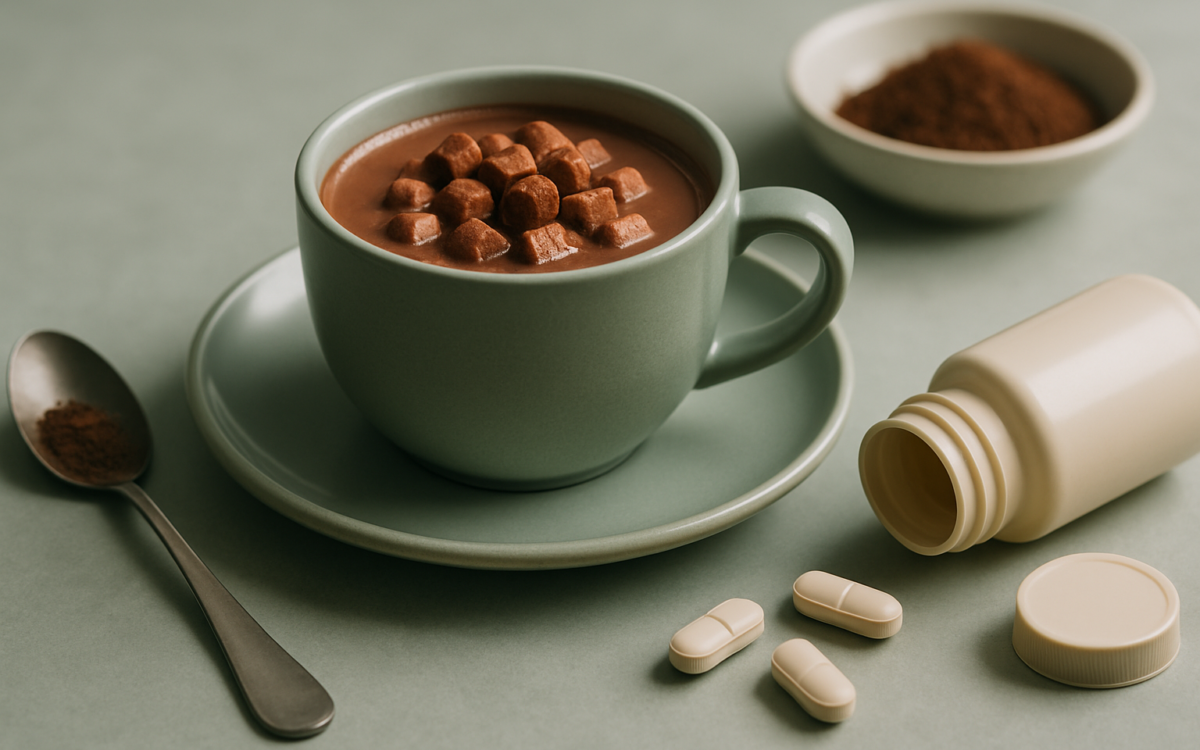
On a chilly day, there’s nothing quite like a warm cup of hot chocolate. It evokes feelings of comfort and nostalgia, bringing back memories of cozy nights and chilly afternoons. But if you’re paying attention to your caffeine intake, you might wonder: does hot chocolate have caffeine? The answer depends on several factors, including the type of hot chocolate and its ingredients.
The Basics of Caffeine
Caffeine is a natural stimulant that affects the central nervous system. It’s commonly found in coffee, tea, energy drinks, and various foods. While many people enjoy caffeine for its energizing effects, others may want to limit their intake due to sensitivity or health reasons. Understanding how much caffeine is in your hot chocolate is key to making informed choices.
Caffeine in Hot Chocolate
Hot chocolate is made from cocoa powder, which is derived from cacao beans. Cacao beans naturally contain caffeine, though the amount in your cup of hot chocolate can vary. Here’s a quick rundown of typical caffeine levels:
- Homemade hot chocolate: Using cocoa powder, an 8-ounce cup usually has about 5-20 mg of caffeine, depending on how much cocoa is used and the type of cocoa.
- Commercial hot chocolate mixes: These can contain even less caffeine, generally ranging from 5-15 mg per serving.
- Dark chocolate hot chocolate: If made with dark chocolate (which has higher caffeine levels than cocoa powder), the caffeine could be higher, maybe 20-35 mg in an 8-ounce serving.
In comparison, an 8-ounce cup of brewed coffee can contain 95 mg or more of caffeine, making hot chocolate a much milder option.
Factors Affecting Caffeine Content
Several factors can influence the amount of caffeine in hot chocolate:
1. Type of Cocoa
Cocoa powders vary widely in their caffeine content. Dutch-processed cocoa, for instance, typically has a lower caffeine level than natural cocoa.
2. Additional Ingredients
Some hot chocolate recipes might include chocolate syrup or melted chocolate, which can increase the caffeine level. Additionally, flavored or specialty hot chocolates may also use various types of chocolate, adding to the caffeine content.
3. Preparation Method
The way hot chocolate is prepared can impact its caffeine level. Using more cocoa or chocolate than usual will naturally elevate the caffeine content, while using a lower amount will reduce it.
Health Benefits of Hot Chocolate
Despite its caffeine content, hot chocolate has several health benefits, primarily due to the properties of cocoa. Here are a few noteworthy benefits:
- Rich in Antioxidants: Cocoa is packed with flavonoids, which are antioxidants that help fight inflammation and improve heart health.
- Improved Mood: The comforting taste of hot chocolate can elevate mood and promote relaxation, thanks to its ability to increase serotonin levels in the brain.
- Better Brain Function: Some studies indicate that the flavonoids found in cocoa can enhance brain function, potentially lowering the risk of cognitive decline as we age.
While hot chocolate can provide these health benefits, it’s essential to consume it in moderation, particularly if you’re monitoring your sugar and calorie intake.
Hot Chocolate vs. Other Chocolate Beverages
When comparing hot chocolate to other chocolate beverages, it’s crucial to understand their caffeine contents:
Caffeinated Chocolate Drinks
Many chocolate-based drinks are formulated with added caffeine, particularly those marketed as energy boosters. These beverages should be consumed with caution, especially if you’re sensitive to caffeine.
Cocoa vs. Chocolate Milk
Chocolate milk typically contains less caffeine than hot chocolate made with pure cocoa, but the amount can vary based on the type of chocolate used. Generally, store-bought chocolate milk contains 5-10 mg of caffeine.
When to See a Doctor
If you experience side effects from caffeine, like jitters, insomnia, or increased heart rate, it may be time to consult a healthcare professional. Although hot chocolate has much less caffeine than coffee, it can still affect individuals differently. If you are unsure about your caffeine consumption or how it might affect your health, consider discussing it with your doctor.
Conclusion
In summary, while hot chocolate does contain caffeine, the amount is generally low compared to other beverages. Factors such as the type of cocoa and additional ingredients can affect its caffeine content. Enjoying hot chocolate in moderation can offer some health benefits without the jitters associated with more caffeinated drinks. So, whether you’re curling up with a good book or enjoying a wintery evening, your cup of hot cocoa can be a warm and delightful treat!
