
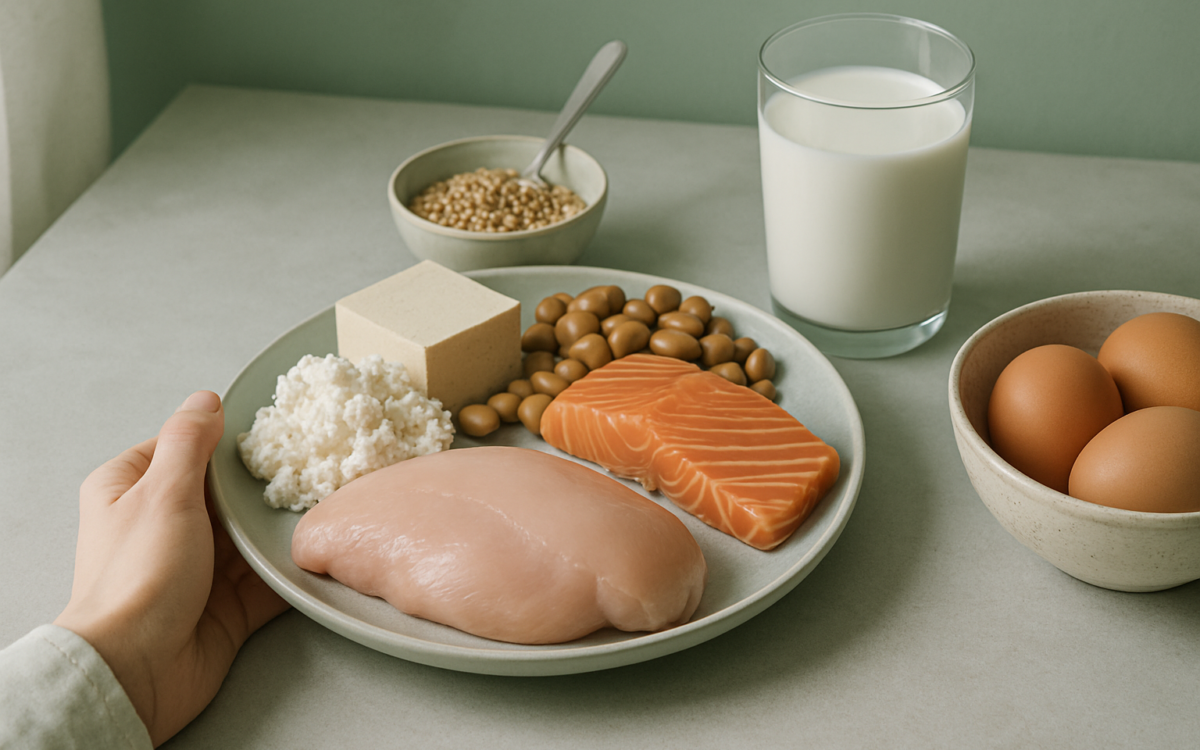
Protein is often hailed as a king of nutrients, yet many people are unsure of how much they should actually consume each day. Whether you’re aiming for muscle gain, weight loss, or simply looking to maintain a balanced diet, knowing the right amount of protein can play a significant role in your overall health.
What Is Protein and Why Do We Need It?
Protein is one of three macronutrients essential for the body, alongside carbohydrates and fats. It plays a vital role in building and repairing tissues, making enzymes and hormones, and supporting overall growth and development. Additionally, protein helps keep you feeling full, which can be beneficial when managing your weight.
How Much Protein Is Recommended?
The amount of protein you need daily can vary based on several factors including age, gender, weight, and activity level. As a general guideline, the National Institutes of Health (NIH) recommends the following:
- Adults: 46 grams for women and 56 grams for men.
- Active individuals: May require more, typically around 1.2 to 2.0 grams of protein per kilogram of body weight.
- Aging adults: Might benefit from higher protein intake to preserve muscle mass.
For example, a person weighing 70 kg (about 154 lbs) involved in regular exercise might aim for anywhere from 84 to 140 grams of protein a day.
How to Calculate Your Protein Needs
Calculating your individual protein needs can be straightforward. Here are steps to help you determine how much protein you should consume:
- Determine your weight in kilograms (miles can be converted by dividing pounds by 2.2).
- Decide on the level of activity (sedentary, moderately active, or very active).
- Use the following guide to set your protein goals:
- Sedentary adults: 0.8 grams per kg of body weight.
- Moderately active adults: 1.0 to 1.5 grams per kg of body weight.
- Very active individuals: 1.5 to 2.0 grams per kg of body weight.
Try to spread your protein intake throughout the day. Consuming protein with every meal can aid in better absorption and muscle repair.
Sources of Protein
Incorporating a variety of protein sources in your diet can help you meet your daily requirements. Here are some excellent options:
Animal-Based Sources
- Meat: Chicken, turkey, beef, and pork are all rich in protein.
- Fish: Salmon, tuna, and other fish not only provide protein but are also high in omega-3 fatty acids.
- Dairy: Milk, yogurt, and cheese can boost your protein intake while providing calcium.
Plant-Based Sources
- Legumes: Beans, lentils, and chickpeas are great sources of protein and fiber.
- Nuts and Seeds: Almonds, peanuts, chia seeds, and quinoa can also contribute to your protein intake.
- Whole Grains: Oats, brown rice, and barley can support your protein needs.
A diverse range of protein sources not only helps you meet your needs but also contributes to a well-rounded diet.
What Happens If You Get Too Little or Too Much Protein?
Getting the right amount of protein is essential, as both too little and too much can lead to health issues.
Too Little Protein
Insufficient protein can cause a variety of problems, including:
- Muscle loss and weakness
- Weakened immune function
- Fatigue and lack of energy
- Poor wound healing
- Edema (swelling due to fluid retention)
Too Much Protein
Conversely, consuming excessive protein may lead to:
- Kidney strain, especially in those with preexisting kidney conditions
- Dehydration
- Nutrient deficiencies, if protein displaces other essential foods
- Increased risk of heart disease if high amounts come from red and processed meats
Balance is key, and it’s always wise to consult a healthcare professional before making significant changes to your diet.
Special Considerations
Some groups may have unique protein requirements:
- Pregnant and breastfeeding women: May need more protein to support their baby’s growth.
- Older adults: Increased protein intake can help prevent age-related muscle loss.
- Athletes: Those engaged in heavy training may have higher protein needs.
Always consider your lifestyle and health needs when determining how much protein is right for you.
Incorporating Protein into Your Daily Meals
Here are some practical tips for including protein in your diet:
- Start with breakfast: Include eggs or Greek yogurt to kick off your day.
- Pack protein-rich snacks: Nuts, protein bars, or cheese sticks are great options.
- Include protein at lunch and dinner: Aim to fill half your plate with protein-rich foods.
- Experiment with plant-based options: Try adding more beans, lentils, and tofu to your meals.
Getting creative in the kitchen can make healthy eating enjoyable.
When to See a Doctor
If you’re unsure about your protein needs or if you experience symptoms like fatigue, muscle weakness, or unexplained weight changes, it’s a good idea to consult a healthcare provider. They can help assess your dietary habits and offer personalized advice.
Whether you’re looking to build muscle, lose weight, or simply improve your health, understanding how much protein you need can empower you to make informed dietary choices. Remember, finding a balance that suits your lifestyle is key to achieving your health goals.
