
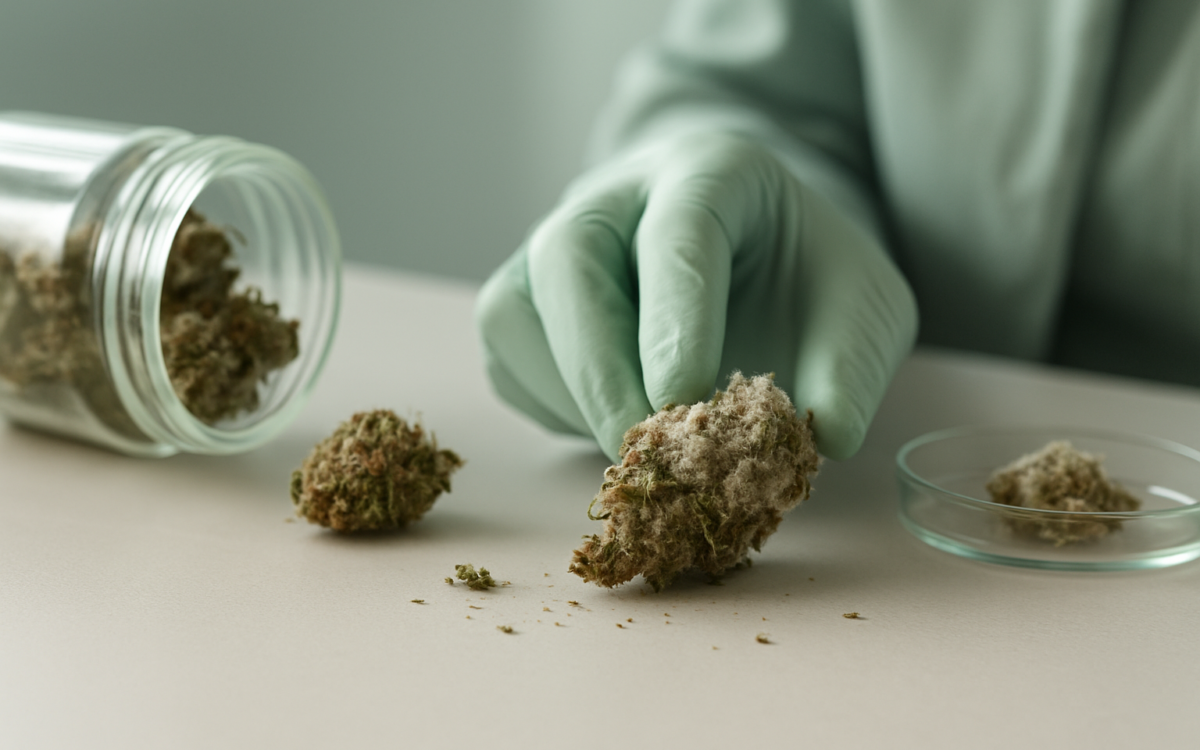
We all know how important it is to stay safe while using cannabis, whether for medicinal or recreational purposes. One of the less discussed yet crucial aspects of cannabis safety is the presence of mold. Mold on weed can pose health risks, and knowing how to identify and handle it is essential for anyone who consumes cannabis. In this article, we’ll delve into how to spot mold on weed, its potential health risks, and how to prevent mold growth.
What Is Mold and Why Does It Grow on Weed?
Mold is a type of fungus that thrives in moist, warm environments. It reproduces by releasing tiny spores into the air, which can settle on various surfaces, including plants like cannabis. Mold can appear in several forms, including powdery mildew, which looks like white spots, or other colors like green, yellow, or black.
The primary factors that contribute to mold growth on weed include:
- High humidity levels
- Poor ventilation
- Improper drying and curing techniques
- Damaged or compromised buds
To avoid the presence of mold, it’s important to store and handle cannabis correctly.
How to Identify Mold on Cannabis
Identifying mold on your cannabis can be tricky, especially if you are not sure what to look for. Here are some signs that your weed may be contaminated:
- Visual changes: Look for white, grey, or black fuzz on the surface of your buds. This is a primary indication of mold.
- Odor: Fresh cannabis has a pleasant, earthy smell. If your weed has a musty or damp scent, it could be a sign of mold.
- Texture: Moldy weed may feel sticky or slimy, rather than dry and crumbly. This can affect both the quality and safety of the product.
If you notice any of these signs, it’s essential to avoid using the product.
Health Risks Associated with Moldy Weed
Using moldy cannabis can lead to several health issues, especially for sensitive individuals. Here are some potential risks:
- Respiratory issues: Inhaling mold spores can irritate the lungs and may exacerbate conditions like asthma or bronchitis.
- Allergic reactions: Some people may be allergic to specific types of mold, leading to symptoms such as sneezing, coughing, or skin irritation.
- Infections: Individuals with weakened immune systems may be at higher risk of fungal infections resulting from mold exposure.
Organizations like the Centers for Disease Control and Prevention (CDC) outline the importance of being cautious around mold exposure. For those with pre-existing conditions, it’s crucial to consult with a healthcare professional if you suspect mold exposure.
Preventing Mold Growth on Cannabis
Prevention is always better than cure, and this holds true for preventing mold on cannabis. Here are some effective strategies:
- Proper drying and curing: Ensure that your cannabis flowers are thoroughly dried and cured in a controlled environment. This usually requires a dark, cool place with low humidity levels.
- Storage conditions: Store your cannabis in an airtight container in a cool and dry place. Avoid areas with high humidity.
- Regular inspections: Check your stored weed periodically. If you notice any signs of mold, remove it immediately.
The National Institutes of Health (NIH) suggests maintaining a relative humidity level of around 55-62% for optimal storage of cannabis products.
What to Do If You Find Mold on Your Weed
If you discover mold on your cannabis, the safest course of action is to dispose of it. Do not try to salvage or clean the moldy product, as it can still pose health risks. Consider the following steps:
- Dispose responsibly: Throw away any contaminated cannabis in a way that prevents other people or animals from accessing it.
- Educate yourself: Understand the proper methods of handling and storing cannabis to prevent future mold growth.
- Talk to the source: If you purchased the product from a dispensary, inform them about the mold. This feedback could help them improve their processes and inform other consumers.
In some cases, moldy cannabis can lead to legal implications, especially in areas where cannabis regulations are strict. Therefore, being informed about local laws and quality control can be beneficial.
When to See a Doctor
If you’ve consumed moldy weed and experience any unusual symptoms such as difficulty breathing, persistent cough, or allergic reactions, consult a healthcare professional immediately. It’s crucial to address any health concerns, especially if you have pre-existing respiratory conditions or a weakened immune system.
In conclusion, mold on weed is a serious matter that requires attention and knowledge. By learning how to identify mold, recognizing its potential health risks, and using prevention strategies, you can significantly enhance your safety while using cannabis. Always trust your instincts and prioritize your health — when in doubt about the safety of your cannabis, it’s best to err on the side of caution.
