
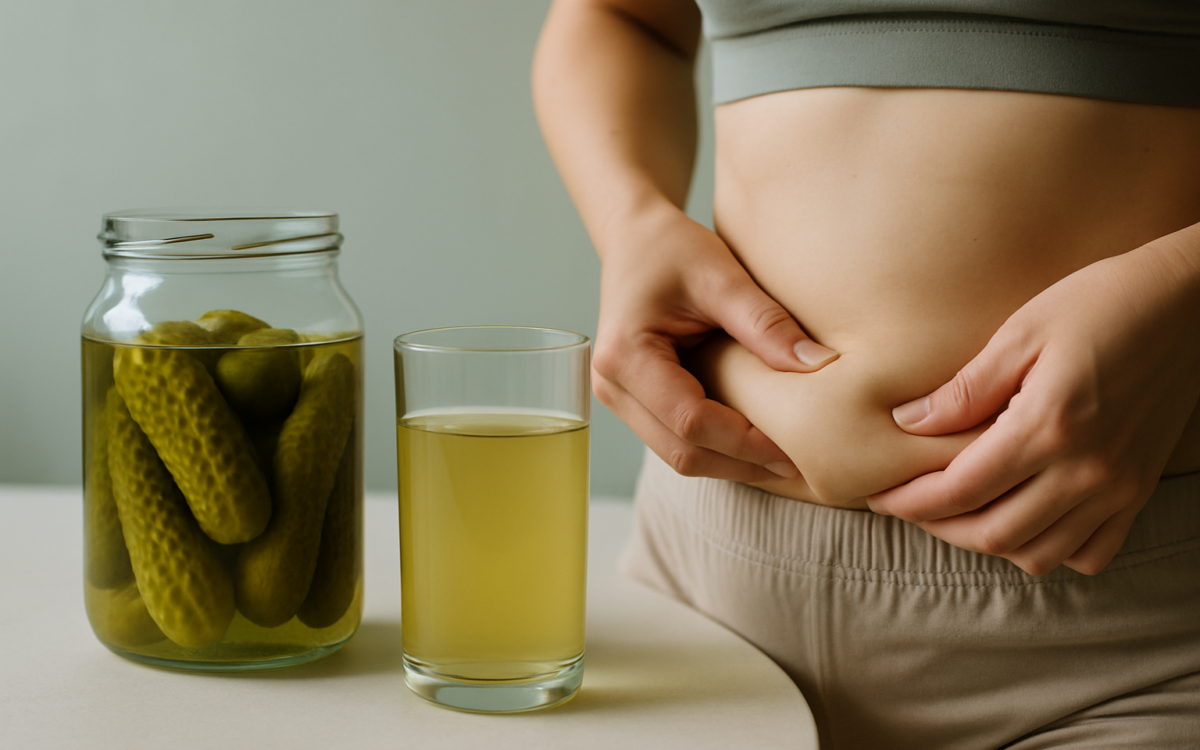
You’ve probably seen pickle juice trending as a health drink, touted for various benefits like muscle recovery and gut health. But while it’s gaining popularity, many people are left wondering: is pickle juice fattening? Let’s dive into the nutritional profile of pickle juice and find out what effects, if any, it may have on your weight.
What Is Pickle Juice?
Pickle juice is the liquid that is leftover after cucumbers have been pickled in vinegar, water, and a blend of spices. Depending on the recipe, you might find added salt, sugar, or different flavorings. The juice itself is low in calories, but let’s explore how that fits into a broader diet.
Nutritional Breakdown: Calories and Ingredients
In a typical serving, about one ounce (30 mL) of pickle juice contains approximately 5-15 calories. The primary ingredients generally include:
- Vinegar: Often the main component, bringing the tangy flavor and certain health benefits.
- Sodium: Pickle juice usually has a high sodium content, which can contribute to bloating and temporary water weight.
- Spices: These can provide flavor without adding calories.
With its low caloric value, pickle juice is not likely to contribute to weight gain on its own. However, it is essential to consider your overall diet and how foods and condiments fit into it.
Is Pickle Juice Fattening? The Low-Calorie Factor
Surprisingly, many people associate beverages with high caloric content as being fattening. Since pickle juice is low in calories, it doesn’t inherently lead to weight gain. However, the overall picture gets more intricate. Consumption habits are essential!
If you use pickle juice as a replacement for higher-calorie beverages or snacks, it may actually aid weight loss or maintenance efforts. Additionally, its sodium content can lead to water retention, which some might confuse with weight gain. The important takeaway is that pickle juice, in moderation, is not fattening.
Health Benefits of Pickle Juice
Beyond being a low-calorie option, pickle juice comes with some potential health benefits:
- Hydration: The electrolyte content in pickle juice — specifically sodium and potassium — can aid in replenishing lost fluids after exercise.
- Muscle Cramps: Some studies suggest that consuming pickle juice could relieve muscle cramps due to its combination of electrolytes and vinegar. A report published in the NIH indicates that the acetic acid in vinegar might play a role in muscle function.
- Gut Health: The vinegar in pickle juice may help with digestion and may have probiotic effects, although precise studies are still necessary.
While these benefits are promising, they do not necessarily mean pickle juice should be a significant component of your diet.
How to Use Pickle Juice Wisely
Moderation is key when it comes to any food or drink, including pickle juice. Here are some tips on how to fit it into a balanced diet:
- Use as a dressing: Add pickle juice to salads for a flavorful twist instead of high-calorie dressings.
- Mix it into smoothies: Combine a small amount with your favorite fruits and greens for an unusual tangy flavor that boosts hydration.
- Add to marinades: Use pickle juice as a base for marinating chicken or tofu to enhance flavor without extra calories.
It’s essential to be cautious about the sodium content. Consuming too much sodium can lead to health issues such as high blood pressure, so keep that in mind when adding pickle juice to your diet.
Potential Drawbacks to Consider
Although pickle juice has health benefits, there are potential drawbacks:
- High sodium levels: As mentioned, pickle juice can contain a lot of sodium. If you are sensitive to salt, this could lead to elevated blood pressure or other health concerns.
- Not a meal replacement: While it can be beneficial, it lacks essential nutrients that your body needs. Relying on it too heavily can lead to nutrient deficiencies.
- Possible digestive upset: For some individuals, especially those with sensitive stomachs, the acidity and saltiness of pickle juice can lead to discomfort.
It’s always best to consult with a healthcare provider if you experience negative side effects when trying new foods or drinks.
When to See a Doctor
If you experience unusual symptoms such as persistent stomach pain, bloating, or any type of adverse reaction after consuming pickle juice, consult your healthcare provider. They can provide personalized advice based on your health history and dietary needs.
Conclusion
So, is pickle juice fattening? The straightforward answer is no, especially when consumed in moderation. Its low-calorie content, when paired with a balanced diet, could even support weight management. With some potential health benefits, pickle juice isn’t a magical solution, but it certainly can find its place in a healthy diet. Remember to consider the nutritional balance of your overall meals and consult with a doctor or dietitian if you’re unsure about your dietary choices.
