
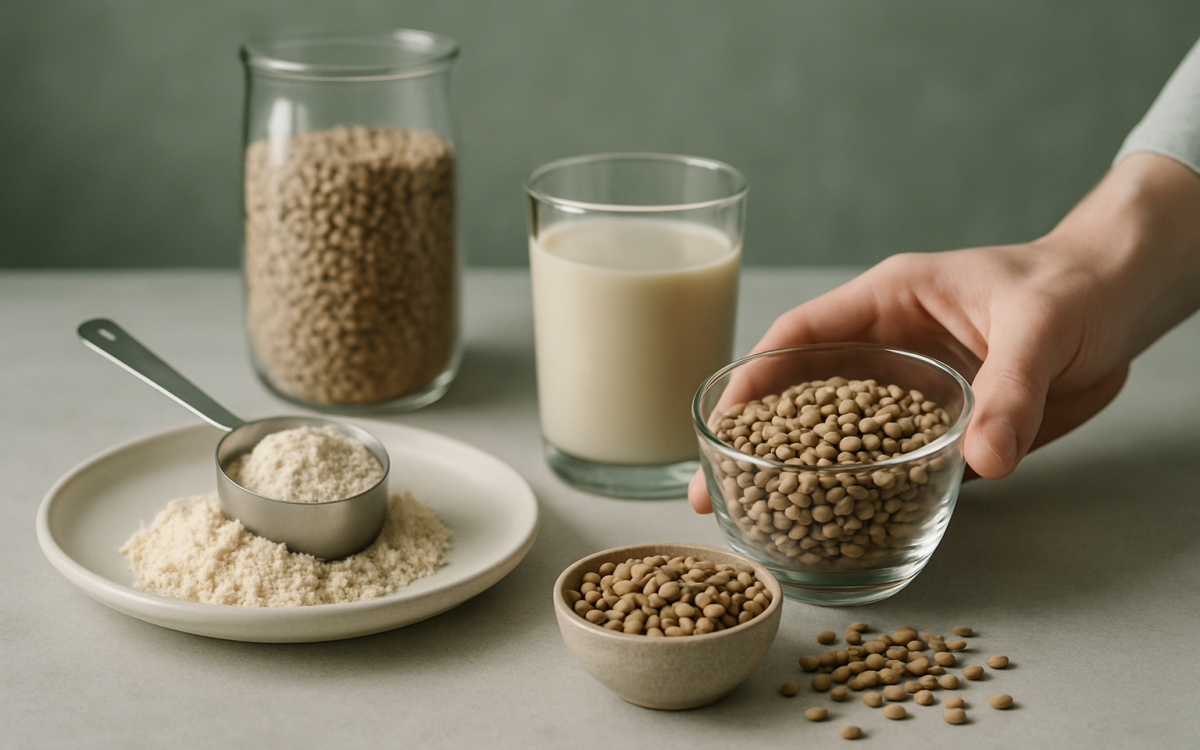
Lentils are more than just a staple in many cuisines around the world; they’re a nutritional powerhouse packed with protein, fiber, and essential vitamins. For those looking to increase their protein intake—especially vegetarians and vegans—lentils can be an ideal addition to your meals. But what exactly makes lentils so valuable for your health? Let’s dive into the world of lentils and their impressive protein content.
The Nutritional Breakdown of Lentils
Lentils come in various types, including green, brown, red, and black, each with a unique flavor and texture. Regardless of the variety, all lentils share impressive nutritional traits. A half-cup serving of cooked lentils contains about 9 grams of protein, making them one of the best plant-based protein sources available. Additionally, they are low in fat and high in fiber, providing about 8 grams of dietary fiber in the same serving. This combination of protein and fiber can be particularly beneficial for those looking to maintain a healthy weight or improve digestive health.
Why Protein Matters
Protein is essential for various bodily functions, including building and repairing tissues, making enzymes and hormones, and supporting immune function. Adults need a daily intake of protein to sustain muscle mass and overall health. The Recommended Dietary Allowance (RDA) for protein varies depending on age, gender, and activity level; however, it generally suggests around 46 grams for women and 56 grams for men per day. Lentils can significantly contribute to this daily need, especially when combined with other protein sources.
Health Benefits of Lentils
Lentils aren’t just high in protein; they also deliver a plethora of health benefits:
- Heart Health: The high fiber content in lentils helps lower cholesterol levels, which can reduce the risk of heart disease. A study published by the NIH found that diets rich in legumes can positively influence cardiovascular health.
- Blood Sugar Control: Lentils have a low glycemic index, meaning they help stabilize blood sugar levels. This can be particularly beneficial for individuals with diabetes or those looking to prevent blood sugar spikes.
- Weight Management: The protein and fiber in lentils promote satiety, making you feel fuller for longer. This can support weight loss efforts by reducing the overall intake of calories.
- Gut Health: The dietary fiber from lentils feeds beneficial gut bacteria, promoting a healthy digestive system. This can help prevent constipation and improve overall gut microbiota.
How to Incorporate Lentils into Your Meals
Adding lentils to your diet is easy and versatile. Here are some simple ways to incorporate them:
- Soups and Stews: Lentils make a hearty addition to soups and stews. Their texture holds up well in long cooking times and adds depth to the flavor.
- Salads: Cooked lentils can be tossed into salads for added protein and fiber. They blend well with various vegetables and dressings.
- Veggie Burgers: Lentils can serve as the base for homemade veggie burgers, providing both flavor and nutrition. Combine with grains, spices, and vegetables for a delicious meal.
- Curries and Dals: In many cultures, lentils are a primary ingredient in curries and dals, offering a rich source of flavor and health benefits.
For those looking for international treatment options, Acibadem International may offer innovative nutritionary approaches that include lentils in dietary plans, particularly for managing health conditions that benefit from increased protein intake without excess fat.
Potential Considerations When Eating Lentils
While lentils are nutritious, they can cause digestive discomfort for some people, particularly those who are not accustomed to a high-fiber diet. It is essential to introduce lentils gradually and ensure they are cooked thoroughly; this aids in digestion. Additionally, people with certain health conditions may have specific dietary restrictions, so it’s wise to consult a healthcare provider if you have concerns about including lentils in your diet.
When to See a Doctor
If you experience significant digestive issues after consuming lentils, such as bloating or excessive gas, or if you have any other dietary concerns, it’s important to consult a healthcare provider. They can provide guidance tailored to your personal health needs and dietary preferences.
In conclusion, lentils are an exceptional source of protein and other vital nutrients that can greatly enrich your diet. Whether you’re a meat-eater, vegetarian, or vegan, these legumes can play a key role in maintaining overall health. Embrace the power of lentils today, and discover the many ways they can benefit your lifestyle.
