
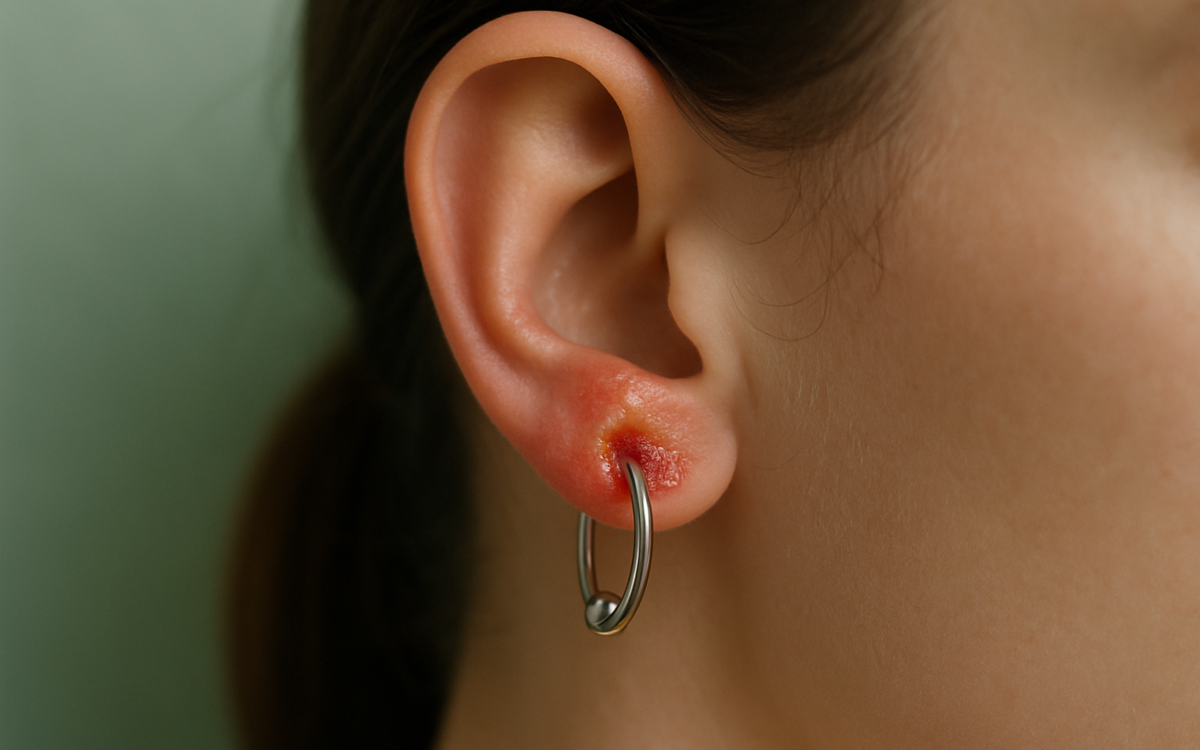
Getting your ears pierced can be a fun experience, whether it’s for a special occasion, to express your style, or simply because you’ve always wanted one. However, an ear piercing, like any break in the skin, can potentially lead to an infection. Understanding how to recognize the signs, the factors that contribute to infections, and the best ways to manage them is crucial for maintaining healthy piercings.
Recognizing the Signs of Infection
The symptoms of an infected ear piercing can range from mild to severe. Here are some common signs to watch for:
- Redness: Surrounding the piercing site, redness may indicate inflammation.
- Swelling: A swollen ear may signify that there is an infection.
- Warmth: If your ear feels warm to the touch, this could be a sign your body is fighting off an infection.
- Pus or discharge: Any yellow or green fluid coming from the piercing is a strong indicator of infection.
- Pain: Increased tenderness or pain during movement can also be a warning sign.
If you experience any of these symptoms, it’s essential to monitor them closely to prevent the infection from worsening.
What Causes Ear Piercing Infections?
Understanding the causes of infected ear piercings can help you take steps to prevent them. Several factors contribute to infections:
- Improper aftercare: Not cleaning your piercing adequately can allow bacteria-build up.
- Touching the piercing: Frequent touching with unwashed hands can transfer germs to the area.
- Low-quality jewelry: Using earrings made from non-hypoallergenic materials can irritate sensitive skin.
- Environmental exposure: Locations with high bacteria levels, like pools or hot tubs, can introduce bacteria into your piercing.
By being aware of these factors, you can take proactive measures to prevent infections.
How to Treat an Infected Ear Piercing
If you suspect your piercing is infected, prompt action can help minimize discomfort and prevent complications:
At-Home Care
Start with these basic steps:
- Keep it clean: Gently clean the area with warm water and mild soap. Avoid alcohol and hydrogen peroxide, as these can irritate the skin.
- Use saline solution: A saline solution can help soothe the area. You can buy this or make a mixture of salt and warm water.
- Do not remove the jewelry: Unless advised by a health professional, keep the jewelry in place to prevent the hole from closing and trapping the infection.
It’s also crucial to avoid applying ointments like Neosporin, as they can trap moisture and worsen the infection.
When to Seek Professional Help
If your symptoms do not improve within a few days of at-home care, or if they worsen, it’s time to consult a healthcare provider. They may prescribe antibiotics if the infection is more severe.
International Treatment Perspectives
For individuals who travel frequently or live abroad, understanding how to handle ear piercing infections is even more important. Different countries may have varying standards for piercing procedures and aftercare. If you’re in a situation where you’re unsure about the local practices, consider seeking help through resources like acibademinternational.com, which can connect you with reputable medical centers and specialists worldwide. They can offer guidance tailored to international standards and practices related to safe ear care.
Prevention Tips for Healthy Piercings
Preventing infections is often easier than treating them. Here are some tips to keep your piercings healthy:
- Use high-quality jewelry made from surgical steel, titanium, or gold.
- Follow the aftercare instructions provided by your piercer.
- Clean your ears daily until fully healed, usually 6-8 weeks.
- Avoid swimming in public pools or hot tubs until the piercing is fully healed.
- Refrain from touching your earrings or the area around them unless your hands are clean.
Taking these precautions can help minimize your risk of developing an infection.
When to See a Doctor
Consult a healthcare professional if you notice any of the following:
- Symptoms like severe pain, increasing redness, or swelling that doesn’t improve.
- Pus that has a foul odor or is excessive in quantity.
- Fever or chills accompanying the symptoms.
Infections left untreated can spread and lead to more serious complications, so timely intervention is important.
By staying informed and attentive to the signs of infection, you can manage your ear piercing safely and enjoy your new look. Remember, if in doubt, consult a healthcare provider to ensure you take the best course of action.
