
Living with diabetes can feel overwhelming, but with the right strategies and support, you can successfully manage your condition. Understanding how to control diabetes is key to leading a healthy life. This article provides practical steps that incorporate diet, exercise, and regular monitoring to help you manage your blood sugar levels effectively.
Understanding Diabetes
Diabetes is a chronic condition that occurs when the body either cannot produce enough insulin (Type 1 diabetes) or cannot effectively use the insulin it makes (Type 2 diabetes). Insulin is crucial for regulating blood sugar levels, and when it doesn’t work properly, high blood sugar levels can lead to serious health issues.
The Importance of a Balanced Diet
A healthy diet is paramount in controlling diabetes. What you eat can have a profound impact on your blood sugar levels. Here are some guidelines:
- Choose Whole Foods: Focus on whole grains, lean proteins, plenty of vegetables, and healthy fats. Avoid processed foods that are high in sugar and refined carbs.
- Watch Portion Sizes: Keep an eye on portion sizes to help manage calorie intake and blood sugar levels.
- Limit Sugary Foods: Sugary drinks and snacks can cause spikes in blood sugar. Choose water or unsweetened drinks instead.
- Fiber is Your Friend: Foods high in fiber, such as fruits, vegetables, and whole grains, can help control blood sugar levels.
- Regular Eating Schedule: Eating at regular intervals can help maintain steady blood sugar levels.
Staying Active: Exercise Matters
Regular physical activity is another cornerstone of diabetes management. Exercise helps your body use insulin more effectively and can lower your blood sugar levels. Here are some tips for staying active:
- Find Activities You Enjoy: Whether it’s dancing, walking, swimming, or cycling, choose activities that you love to keep you motivated.
- Aim for Consistency: Try to get at least 150 minutes of moderate aerobic activity each week. This could be brisk walking or cycling.
- Include Strength Training: Incorporate strength training exercises at least two days a week to help improve insulin sensitivity.
- Stay Active Throughout the Day: Look for opportunities to move, like taking the stairs instead of the elevator or doing household chores.
Monitoring Your Blood Sugar
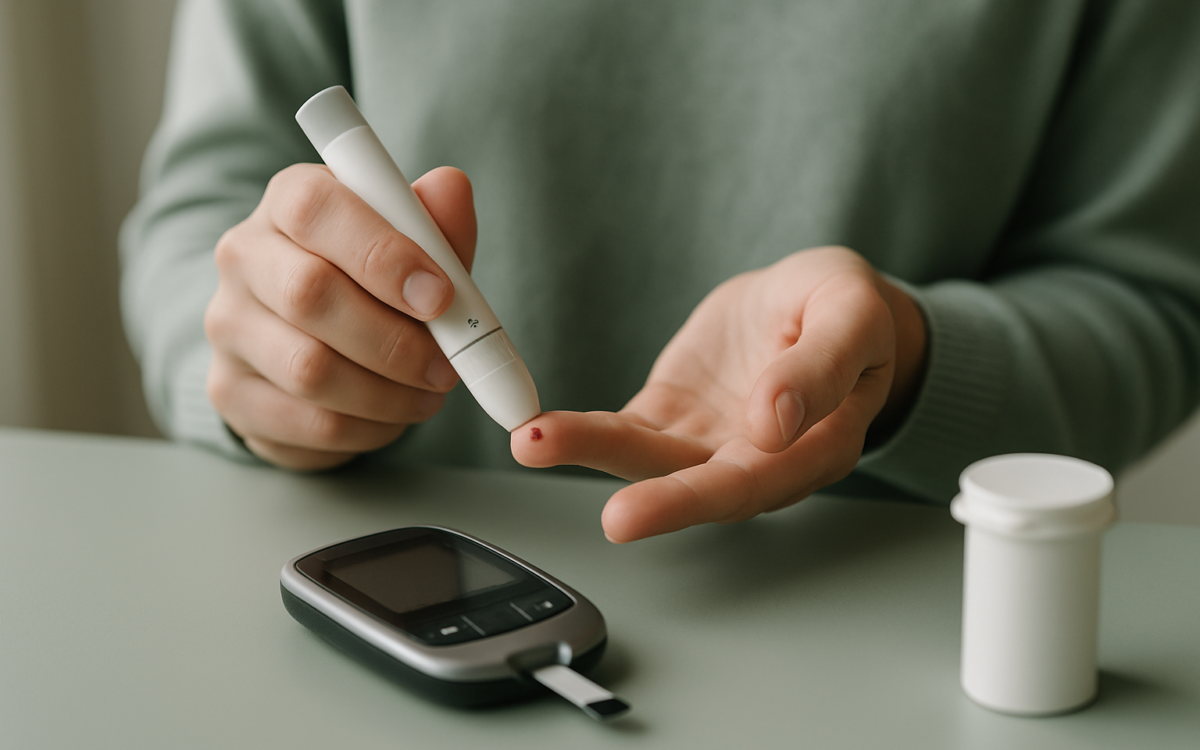
Keeping track of your blood sugar levels is essential. Monitoring allows you to see how food, exercise, and medication affect your levels. Here’s how to approach it:
- Use a Glucose Meter: Learn how to use a blood glucose meter to check your levels at home. Your doctor will guide you on how often to check.
- Understand Your Numbers: Learn what your ideal blood sugar range should be, and discuss it with your healthcare provider.
- Keep a Log: Track your blood sugar readings, medications, diet, and exercise. This can help you and your doctor identify trends and adjust your treatment plan as necessary.
Effective Stress Management
Stress can have a significant impact on blood sugar levels. When you are stressed, your body releases hormones that can raise blood sugar. Here are some stress management strategies:
- Meditation and Mindfulness: Practicing mindfulness or meditation can help you stay grounded and reduce stress.
- Get Enough Sleep: Aim for 7-9 hours of quality sleep each night to help manage stress levels.
- Create a Support System: Surround yourself with supportive friends or family members who understand your journey with diabetes.
- Engage in Hobbies: Spend time on activities you enjoy to take your mind off stress.
Medication Management
For some individuals, managing diabetes may also involve medication. It’s important to follow your healthcare provider’s instructions carefully. Here are some tips:
- Adhere to Prescriptions: Take your medications as directed, and don’t skip doses. Consistency is key.
- Discuss Any Concerns: If you experience side effects or have concerns, talk to your doctor about adjusting your medication.
- Regular Check-Ups: Schedule regular appointments with your healthcare provider to discuss your diabetes management plan and make any necessary adjustments.
When to See a Doctor
If you notice sudden changes in your blood sugar levels, have symptoms of high or low blood sugar such as extreme thirst, frequent urination, fatigue, or confusion, or if you’re struggling to manage your diabetes effectively, it’s important to consult your doctor. Regular check-ups and communication with your healthcare team can help prevent complications.
Remember, managing diabetes is a journey, and it can be challenging at times. By taking small, manageable steps and working closely with your healthcare provider, you can control diabetes and live a happy, healthy life.
