
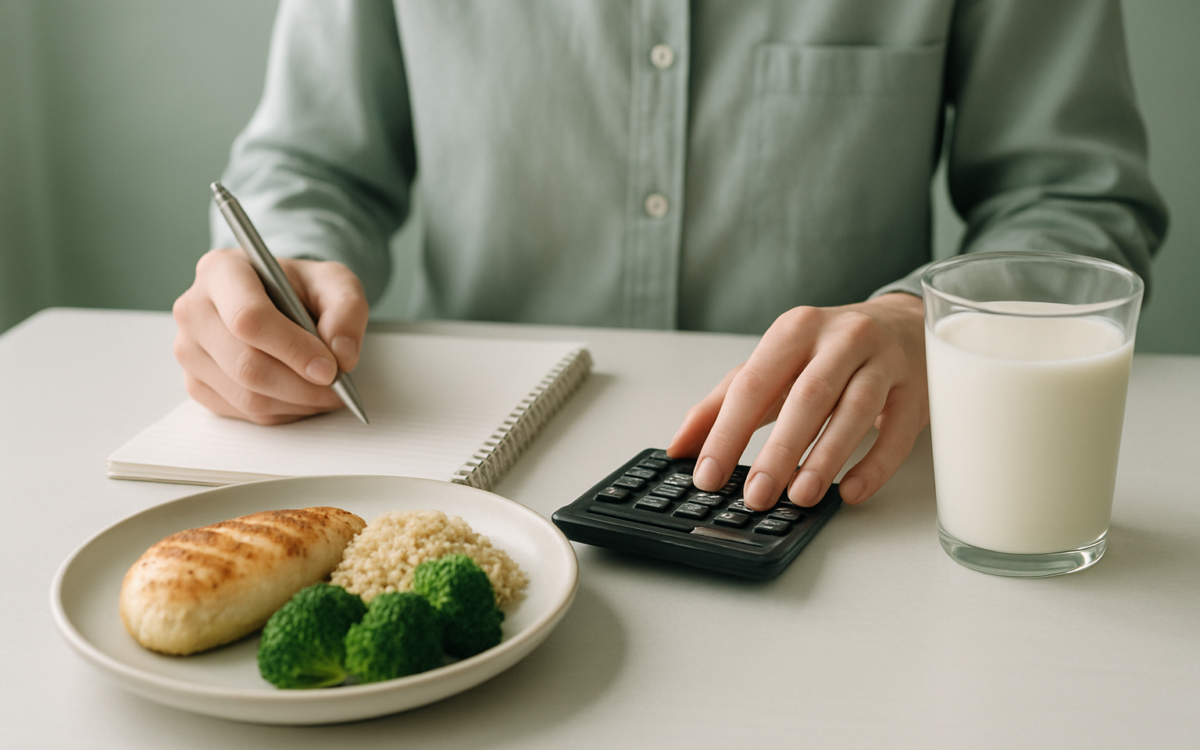
Understanding how to calculate your protein intake is essential for maintaining a balanced diet and supporting your overall health. Whether you’re an athlete looking to build muscle, someone trying to lose weight, or just aiming for a healthier lifestyle, knowing your protein needs can help you make informed food choices. In this guide, we’ll break down the different methods to calculate your protein intake, the factors that influence it, and how to adjust your diet accordingly.
Why Protein Matters
Protein is one of the three macronutrients, along with carbohydrates and fats, that your body requires to function optimally. It plays a critical role in building and repairing tissues, making enzymes and hormones, and supporting immune function.
In addition to its vital physiological functions, protein can also help you feel full longer, making it a key player in weight management.
How Much Protein Do You Need?
Your daily protein needs can vary depending on several factors, including age, sex, activity level, and health goals. Here are some general guidelines:
- Adults: The recommended dietary allowance (RDA) for protein is about 46 grams per day for women and 56 grams for men.
- Active individuals: Those who exercise regularly may need approximately 1.2 to 2.0 grams of protein per kilogram of body weight, especially if they’re participating in strength training or endurance sports.
- Older adults: As we age, protein needs may increase to help preserve muscle mass, suggesting a target of about 1.0 to 1.2 grams per kilogram of body weight.
To be more accurate, it’s ideal to assess your protein intake based on your body weight and activity level.
Calculating Your Protein Needs: The Simple Formula
The most straightforward way to calculate your protein intake is by using your body weight. Here’s how:
- Determine your weight in kilograms: If you’re measuring in pounds, divide your weight by 2.2 to convert to kilograms.
- Choose your protein factor: Decide on your level of activity:
- 1.0 grams/kg for sedentary individuals
- 1.2 to 1.6 grams/kg for moderately active individuals
- 1.6 to 2.0 grams/kg for athletes or those engaged in intense training
- Multiply: Multiply your weight in kilograms by the protein factor you’ve chosen.
For example, if you weigh 70 kg and are moderately active, your calculation would look like this:
70 kg x 1.4 g/kg = 98 grams of protein per day.
Adjusting Protein Intake for Specific Goals
Your protein needs may vary depending on your specific health goals:
For Weight Loss
If your goal is to lose weight, increasing protein intake can promote greater satiety, helping you to feel full longer while consuming fewer calories overall. Aim for a higher end of the protein scale (1.6 to 2.2 grams/kg) as part of a balanced diet that includes other macronutrients.
For Muscle Gain
Individuals focusing on muscle gain should concentrate on protein-rich foods and consider timing protein intake around workouts. For this, you can aim for around 1.6 to 2.2 grams/kg. High-quality protein sources, such as lean meats, dairy, legumes, and certain grains, are beneficial.
For Health Maintenance
For general health, keeping protein intake at the RDA levels should suffice. Variety is key; include various food sources to meet your requirements while enjoying a well-rounded diet.
Assessing Your Protein Sources
<pOnce you've calculated how much protein you need, the next step is to evaluate your diet to see if you're meeting those requirements. Here are some excellent sources of protein:
- Animal-based sources: Lean meats, poultry, fish, eggs, and dairy products.
- Plant-based sources: Legumes (beans, lentils), nuts, seeds, tofu, and whole grains.
Keep in mind that not all protein sources are created equal. Animal proteins tend to be complete proteins, providing all essential amino acids, while many plant proteins are incomplete and may need to be combined to meet your amino acid needs.
Tools to Help You Calculate
If manual calculations seem daunting, numerous apps and websites can help you track your protein intake. These tools can analyze your food choices and provide a breakdown of your macronutrient consumption. Some popular options include MyFitnessPal and Cronometer. They allow you to log your meals and see whether you’re meeting your protein goals.
When to See a Doctor
If you’re considering making significant changes to your protein intake or diet, or if you have specific health concerns, it’s a good idea to consult with a healthcare professional or a registered dietitian. They can provide personalized guidance based on your individual health needs.
Conclusion
<pCalculating your protein intake doesn't have to be complicated. By understanding your personal goals, assessing your activity level, and utilizing simple formulas, you can ensure you’re consuming the right amount of protein for your health. Remember, balanced nutrition is all about variety, so incorporate different sources of protein into your meals for optimal health benefits.
