
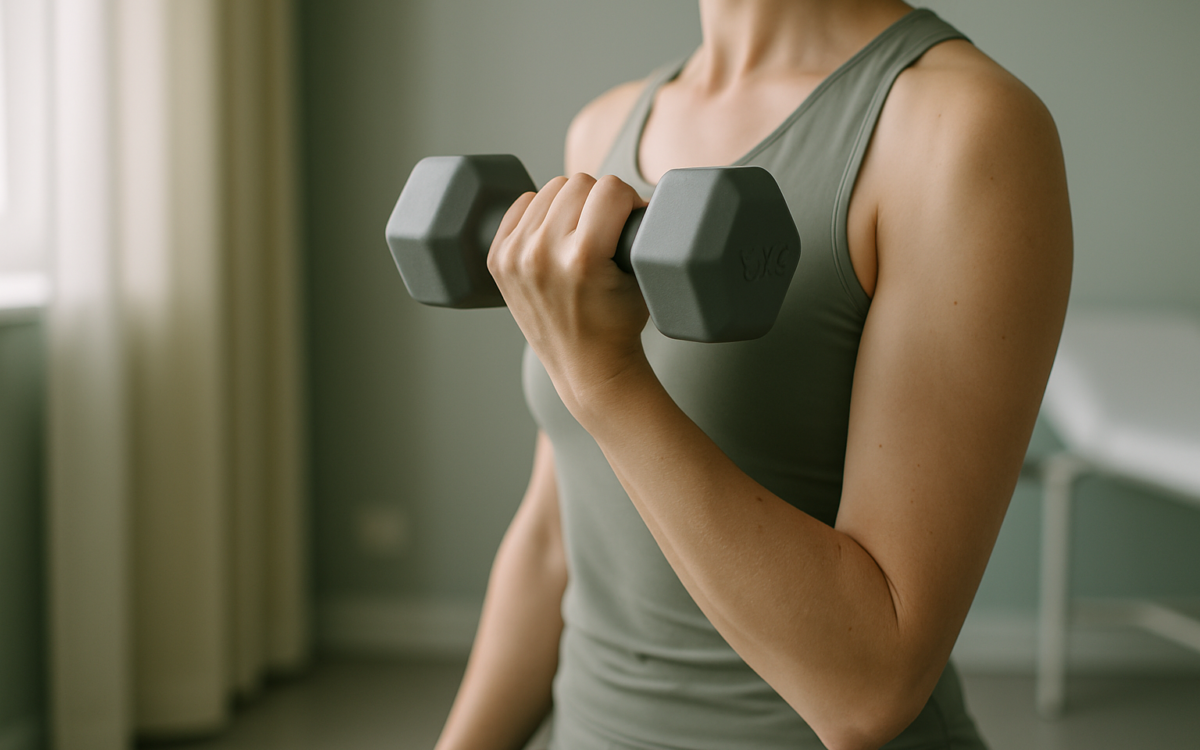
If you’re looking to build impressive arm strength, the hammer curl is a must-try exercise. Not only does it target the biceps, but it also engages the forearms, making it a well-rounded choice for anyone looking to enhance their upper body fitness. In this article, we’ll explore the proper technique, benefits, variations, and tips for maximizing your hammer curl workouts.
What is a Hammer Curl?
The hammer curl is a type of bicep curl that uses a neutral grip, meaning your palms face each other as you lift the weights. This grip variation alters the muscle dynamics compared to traditional curls, allowing your forearms and the muscles of the upper arm to work together more effectively. Hammer curls can be performed with dumbbells, cables, or even resistance bands, making them versatile for various fitness levels.
Muscles Worked by Hammer Curls
Hammer curls primarily target the following muscle groups:
- Biceps Brachii: The main muscle responsible for elbow flexion.
- Brachialis: Located underneath the biceps, it helps with arm flexion and adds mass to the upper arm.
- Brachioradialis: This forearm muscle assists with bending the elbow, especially when the thumb is facing upward.
By engaging multiple muscle groups, hammer curls not only help in toning your arms but also improve overall arm strength, which is crucial for various daily activities.
How to Perform a Hammer Curl
Proper form is essential when performing hammer curls to avoid injuries and maximize benefits. Follow these steps for the correct technique:
- Choose Your Weight: Begin with a weight that feels manageable but provides a challenge with 10-15 repetitions.
- Stand Tall: Stand with your feet shoulder-width apart, holding a dumbbell in each hand at your sides, palms facing your body.
- Engage Your Core: Keep your core tight and shoulders back to maintain a stable upper body.
- Lift the Weights: Exhale as you lift the weights towards your shoulders while keeping your elbows close to your body. Aim to raise the dumbbells in a controlled manner, ensuring that the motion is smooth.
- Lower Down: Inhale as you gradually lower the dumbbells back to the starting position.
- Repeat: Perform 10-15 repetitions for one set and adjust your weights based on your comfort and strength level.
To maximize effectiveness, focus on maintaining good posture and performing the movement slowly, which encourages muscle engagement.
Benefits of Hammer Curls
The hammer curl offers numerous benefits that can enhance your fitness routine:
- Improved Grip Strength: The neutral grip engages the forearm, which enhances your grip strength. This can be beneficial for other exercises, sports, and everyday tasks.
- Balanced Arm Development: Since hammer curls work multiple muscles in the arm, they help create a balanced and stronger upper body.
- Joint Health: The hammer curl can be kinder on your wrists compared to other curl variations, promoting better joint health during strength training.
- Engagement of Stabilizer Muscles: The unique grip helps activate stabilizer muscles in your arms and shoulders, which can improve overall stability.
These benefits make hammer curls an excellent addition to both beginner and advanced workout routines.
Variations of the Hammer Curl
If you’re looking to switch things up or target your muscles differently, consider trying these variations:
- Hammer Curl with Twist: As you lift the weights, twist your wrists so that your palms face up at the top of the movement.
- Cable Hammer Curls: Use a cable machine for a different kind of resistance that keeps tension on your muscles throughout the entire lift.
- Reverse Hammer Curl: Hold the weights with your palms facing down. This variation engages more of your forearms and can improve grip strength.
- Seated Hammer Curls: Perform the exercise while seated to eliminate momentum and emphasize muscle control.
Incorporating these variations can prevent workout monotony and challenge your muscles in new ways.
Common Mistakes to Avoid
To get the most out of your hammer curls and avoid injuries, steer clear of these common mistakes:
- Using Too Much Weight: Starting with weights that are too heavy can compromise your form. Focus on form before increasing the weight.
- Incorrect Elbow Position: Ensure your elbows stay close to your body during the lift. Letting them drift can reduce the effectiveness of the exercise.
- Rushing the Movement: Avoid hurrying through your repetitions. Slow and controlled movements promote better muscle engagement.
- Neglecting Warm-Up: Always warm up before starting your workout to prepare your muscles for the exercise and decrease the risk of injury.
By being mindful of these mistakes, you can enhance your technique and performance.
When to See a Doctor
If you experience persistent pain, swelling, or discomfort in your arms or joints while performing hammer curls, it’s advisable to consult a healthcare professional. Symptoms such as severe pain during movement, joint instability, or prolonged discomfort after exercising could indicate an underlying issue that needs attention.
Building arm strength through exercises like hammer curls can significantly enhance your overall fitness and functionality. By mastering this exercise and incorporating it into your routine, you’ll contribute to developing robust arms while enjoying numerous health benefits. Remember always to pay attention to your form, listen to your body, and consult with a healthcare professional if you have concerns or experience discomfort.
