
Inflammation is the body’s natural response to injury and infection, but when it becomes chronic, it can lead to various health issues like arthritis, heart disease, and even diabetes. Many people are seeking ways to manage inflammation through diet and supplements. If you’re curious about what you can take for inflammation, this article will guide you through practical options.
Understanding Inflammation
Before diving into remedies, it’s essential to understand what inflammation is. There are two types: acute and chronic. Acute inflammation occurs as a response to injury or infection, while chronic inflammation persists over a long period. This chronic type is often linked to lifestyle factors such as diet, stress, and lack of exercise.
Foods That Fight Inflammation
Nutrition plays a pivotal role in controlling inflammation. Here are some anti-inflammatory foods to consider:
- Fruits and Vegetables: Berries, cherries, spinach, and kale are packed with antioxidants and phytochemicals that can reduce inflammation.
- Healthy Fats: Olive oil, avocados, and nuts contain monounsaturated fats that can help lower inflammation levels.
- Whole Grains: Foods like brown rice, quinoa, and oatmeal are high in fiber, which can be beneficial for reducing inflammation.
- Fatty Fish: Salmon, mackerel, and sardines are rich in omega-3 fatty acids, known for their anti-inflammatory properties.
- Spices: Turmeric, ginger, and garlic can enhance meals and may help in fighting inflammation.
Herbs and Supplements
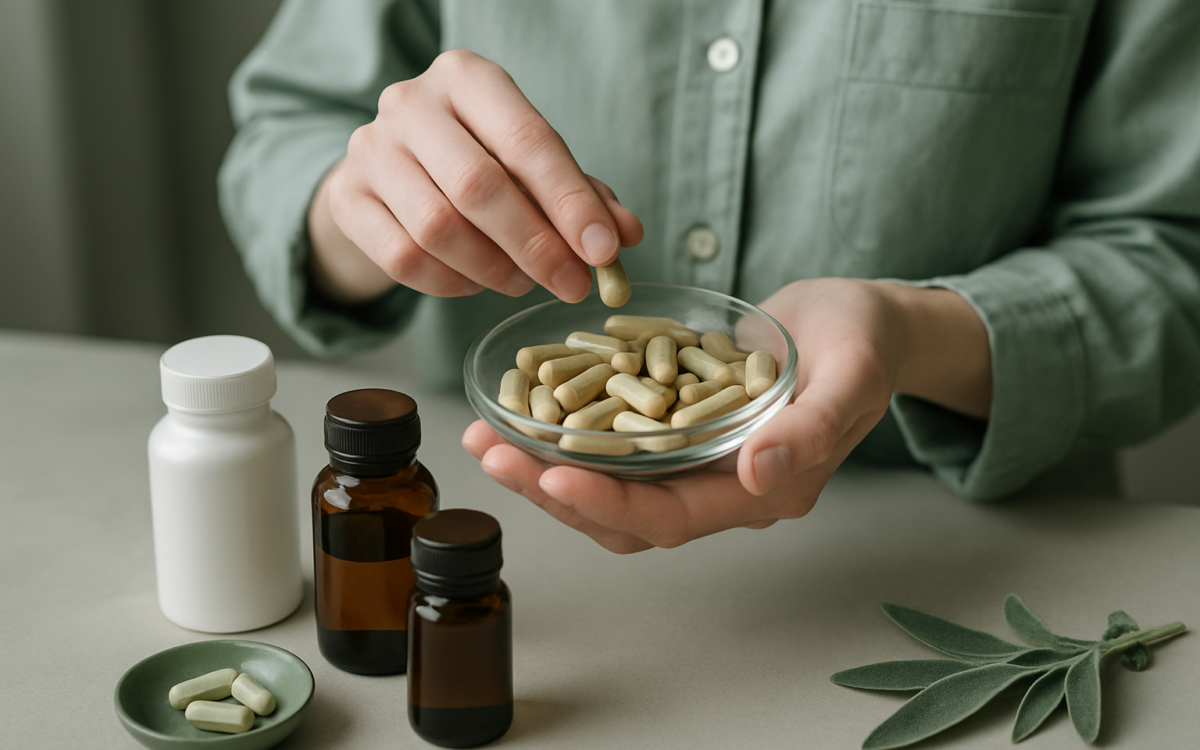
In addition to foods, certain herbs and supplements may also support your body’s fight against inflammation:
- Curcumin: Found in turmeric, curcumin has potent anti-inflammatory effects. Supplements may be more effective than turmeric alone due to higher concentrations.
- Ginger: Ginger may help reduce markers of inflammation and pain, particularly in conditions like osteoarthritis.
- Omega-3 Supplements: If it’s challenging to get enough omega-3s from diet alone, fish oil or algae-based supplements can be beneficial.
- Bromelain: This enzyme, derived from pineapples, may help reduce inflammation, especially in sinusitis and arthritis.
Lifestyle Changes That Help
Beyond diet and supplements, making some lifestyle adjustments can significantly impact inflammation levels:
- Regular Exercise: Physical activity can help reduce inflammation and improve overall health. Aim for a mix of aerobic exercises and strength training.
- Stress Management: Chronic stress can worsen inflammation. Techniques such as mindfulness, yoga, or meditation can help manage stress levels.
- Quality Sleep: Ensure you get enough restful sleep, as poor sleep can contribute to inflammation.
- Avoid Processed Foods: Minimize intake of sugary, fried, and highly processed foods that can trigger inflammatory responses.
Monitoring and Consulting Professionals
When adjusting your diet or supplement regimen to deal with inflammation, it’s crucial to keep track of your progress. Consider keeping a food diary to notice any changes in symptoms as you incorporate these natural alternatives. Additionally, consulting a healthcare professional can ensure you choose the best options for your specific needs.
When to See a Doctor
If you experience persistent inflammation symptoms, such as ongoing pain, swelling, or fatigue, it’s essential to consult a healthcare provider. They can assess your condition and suggest appropriate treatments or further testing, ensuring that more serious conditions are not overlooked.
Conclusion
Managing inflammation effectively can improve your quality of life and promote long-term health. Incorporating anti-inflammatory foods, supplements, and making healthy lifestyle choices can make a difference. Remember, it’s always wise to consult with a healthcare professional before making significant changes to your diet or exercise routine.
