
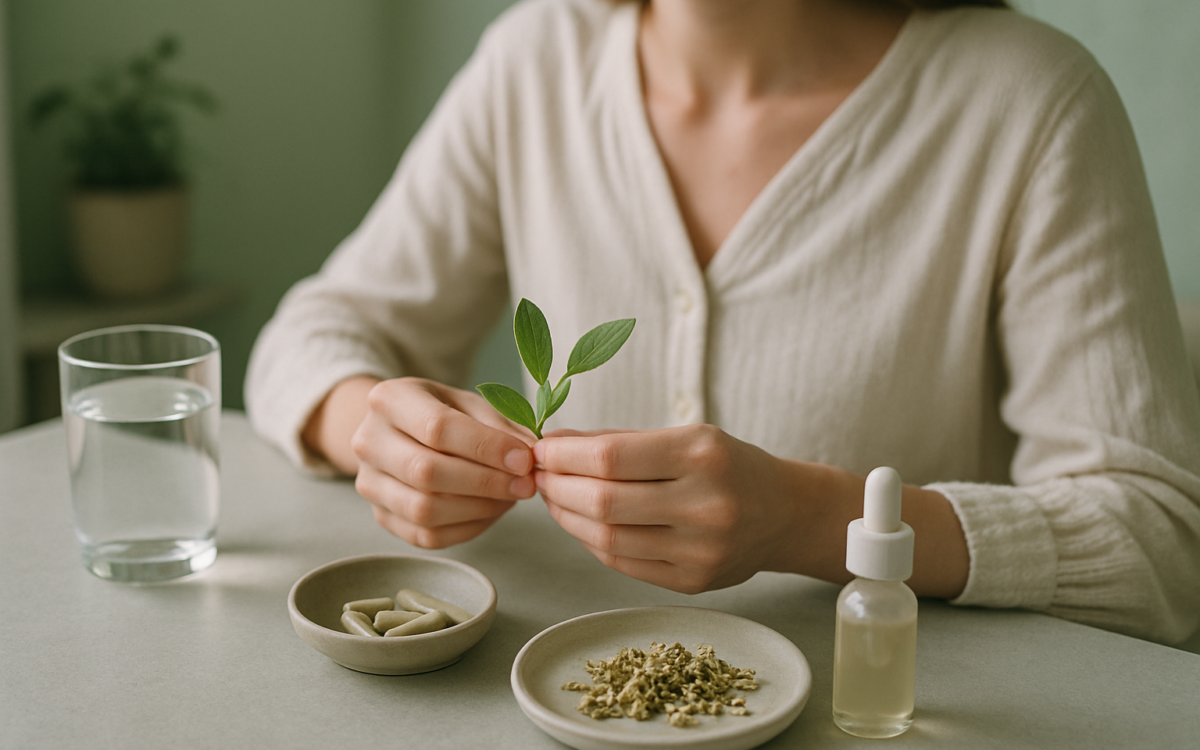
Anxiety can feel overwhelming, but there are natural ways to help manage those feelings. While it’s important to seek professional guidance when anxiety becomes debilitating, many people find relief through everyday practices that promote emotional well-being. Here, we’ll explore several strategies that can help reduce anxiety naturally.
Understanding Anxiety
Anxiety is a normal reaction to stress. However, when anxiety becomes excessive, it can interfere with daily life. Recognizing the signs of anxiety, such as persistent worry, restlessness, and difficulty concentrating, is crucial for seeking help. Although many turn to medication or therapy, certain lifestyle changes can also be effective in managing anxiety.
Practice Mindfulness and Meditation
Mindfulness involves focusing on the present moment without judgment. It can help reduce stress and anxiety significantly. Research has shown that regular mindfulness practice can decrease symptoms of anxiety (source: NIH). Here’s how to get started:
- Breathing exercises: Spend a few minutes focusing on your breath. Inhale deeply through your nose, hold for a moment, and exhale slowly. This can calm your nervous system.
- Guided meditation: Utilize apps or online videos to lead you through meditation, focusing on calming visualizations or mantras.
- Body scan: Close your eyes and mentally scan your body from head to toe, noting areas of tension, and focusing on relaxation.
Engage in Regular Physical Activity
Exercise is a powerful tool for reducing anxiety. Physical activity releases endorphins, chemicals in the brain that act as natural painkillers and mood elevators. According to the CDC, even moderate activities like walking or gentle yoga can make a significant difference in anxiety levels. Consider these tips:
- Set a routine: Aim for at least 30 minutes of moderate exercise most days of the week.
- Choose activities you enjoy: Whether dancing, biking, or gardening, find something that makes you feel good.
- Combine workouts: Pair your exercise with deep breathing or mindfulness practices to enhance relaxation.
Improve Your Diet
The foods you eat can affect your mental health. Certain nutrients are linked to better emotional well-being. Here are some dietary changes that may help:
- Increase omega-3 fatty acids: Foods like salmon, walnuts, and flaxseeds may help lower anxiety levels.
- Limit caffeine and sugar: High levels of caffeine can increase feelings of anxiety, while sugar may lead to mood swings.
- Eat regular meals: Maintaining stable blood sugar levels by eating balanced meals can contribute to more stable moods.
Establish a Sleep Routine
Quality sleep is essential for emotional regulation. Anxiety often affects sleep, creating a cycle that can be hard to break. Here are some strategies to promote better sleep:
- Create a sleep schedule: Go to bed and wake up at the same time every day, even on weekends.
- Limit screen time: Reduce exposure to screens an hour before bed to help your brain unwind.
- Consider sleep environments: Keep your bedroom dark, quiet, and cool to promote restful sleep.
Connect with Nature
Spending time outdoors can alleviate feelings of anxiety and promote serenity. Studies suggest that nature exposure can lower stress hormones and promote feelings of well-being (source: WHO). Here are ways to incorporate nature into your life:
- Go for walks: Even short visits to parks or green spaces can boost your mood.
- Gardening: Tending to plants can be a therapeutic and rewarding activity.
- Mindful observation: Practice mindfulness by focusing on the sights, sounds, and smells in your environment.
When to See a Doctor
If you find that your anxiety is persistent, overwhelming, or affecting your daily life, it might be time to consult a healthcare professional. They can help determine the best course of treatment for you, whether that’s therapy, medication, or other interventions.
In conclusion, while anxiety can be troubling, various natural methods can help ease the burden. By embracing mindfulness, engaging in physical activity, improving your diet, getting quality sleep, and connecting with nature, you can take steps toward a more peaceful state of mind. Remember, if anxiety persists, reaching out to a healthcare provider is a positive step toward understanding and managing your mental health.
