
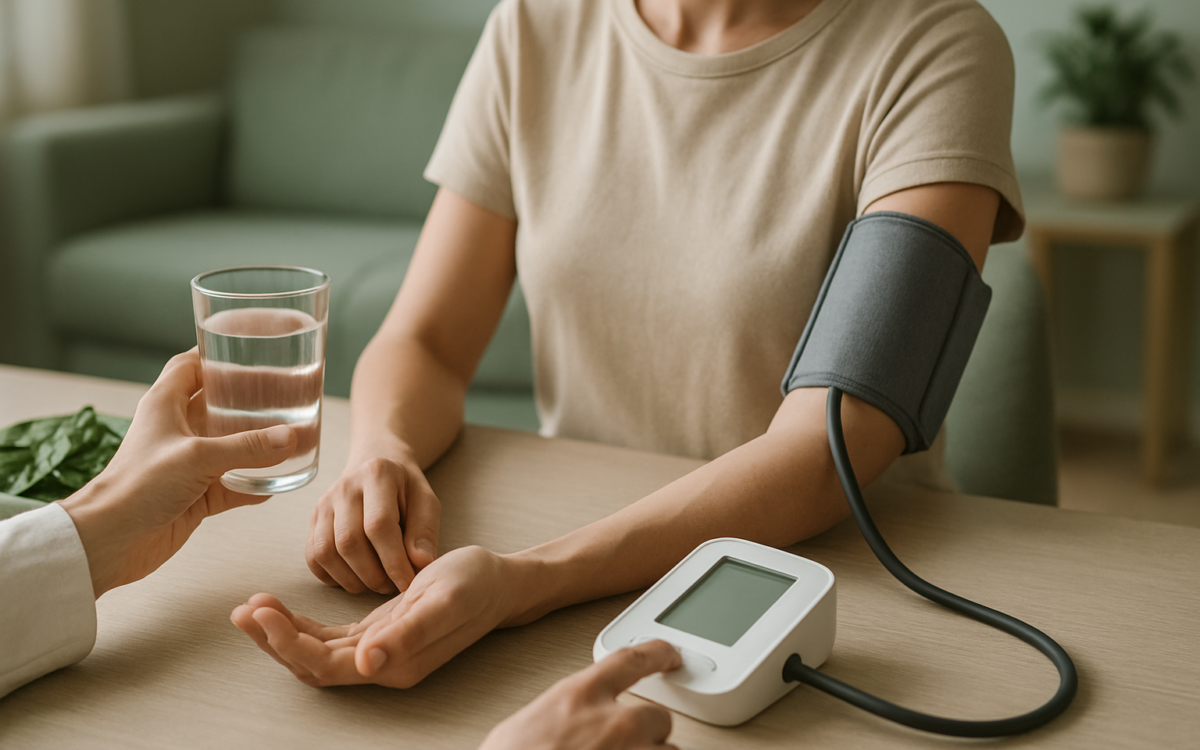
High blood pressure, or hypertension, affects millions of people worldwide and can lead to serious health issues like heart disease and stroke. Finding ways to manage this condition naturally can be an empowering journey. By making simple lifestyle changes, you can support your body’s health and work towards maintaining healthy blood pressure levels.
Understanding Blood Pressure
Blood pressure is the force of blood pushing against the walls of your arteries. It’s measured in millimeters of mercury (mm Hg) and comes in two numbers: systolic (the pressure when your heart beats) over diastolic (the pressure when your heart rests between beats). Normal blood pressure is typically considered to be around 120/80 mm Hg.
Dietary Changes for Lower Blood Pressure
Your diet plays a crucial role in managing blood pressure. Here are some dietary changes to consider:
- Emphasize Whole Foods: Focus on fruits, vegetables, whole grains, lean proteins, and low-fat dairy. A diet rich in potassium, magnesium, and fiber can help reduce blood pressure.
- Limit Sodium Intake: Too much salt can raise blood pressure. Aim for no more than 2,300 mg of sodium per day, or ideally 1,500 mg for most adults.
- Try the DASH Diet: The Dietary Approaches to Stop Hypertension (DASH) diet emphasizes fruits, vegetables, whole grains, and lean proteins while reducing sugar and saturated fats. Research shows it can significantly lower blood pressure (NIH).
- Limit Alcohol: Reduce alcohol consumption, as excessive drinking can lead to higher blood pressure.
Exercise to Support Heart Health
Physical activity is one of the most effective ways to lower blood pressure. Regular exercise strengthens the heart muscle, allowing it to pump blood more efficiently, which can lead to lower blood pressure.
- Aim for Consistency: Aim for at least 150 minutes of moderate aerobic activity, such as brisk walking, every week. Alternatively, 75 minutes of vigorous activity, like running, can be beneficial.
- Incorporate Strength Training: Include strength training exercises at least two days a week. These can effectively decrease blood pressure over time.
- Try Mind-Body Activities: Yoga and tai chi can reduce stress and improve overall well-being, which can also help in managing blood pressure.
Managing Stress Effectively
Chronic stress may contribute to high blood pressure. Finding effective ways to manage stress can have a positive impact on your blood pressure. Consider the following methods:
- Mindfulness and Meditation: Engaging in mindfulness practices, including meditation or deep-breathing exercises, can help reduce stress and lower blood pressure.
- Get Adequate Sleep: Lack of sleep can affect your blood pressure. Aim for 7-9 hours of quality sleep each night.
- Stay Social: Connecting with friends and family can provide emotional support, helping to minimize stress.
Maintaining a Healthy Weight
Being overweight increases your risk for high blood pressure. Losing even a small amount of weight can help reduce your blood pressure levels. Here are some tips to help you achieve a healthy weight:
- Set Realistic Goals: Aim for a slow and steady weight loss of 1-2 pounds per week.
- Monitor Your Portions: Keeping track of your food intake can help you to manage what and how much you eat.
- Stay Active: Combine dietary changes with regular physical activity for the best results.
Herbs and Supplements That May Help
Some natural supplements and herbs may also support healthy blood pressure levels. However, it’s essential to consult your doctor before starting any new supplement, especially if you are on medication.
- Omega-3 Fatty Acids: Found in fish oil, these can help reduce blood pressure levels.
- Coenzyme Q10: Some studies suggest that this supplement may help lower blood pressure.
- Garlic Extract: Garlic has been shown to have positive effects in reducing blood pressure, especially in people with hypertension.
When to See a Doctor
If you have high blood pressure, it’s essential to consult your doctor before making significant lifestyle changes. They can provide guidance tailored to your specific needs. You should seek medical attention if you experience severe headaches, vision problems, or chest pain, as these symptoms may indicate serious health issues.
Making natural lifestyle changes to lower blood pressure can be effective and fulfilling. By focusing on a balanced diet, regular exercise, stress management, and maintaining a healthy weight, you can take charge of your health. Always remember, your healthcare provider is your partner in this journey to better heart health.
